

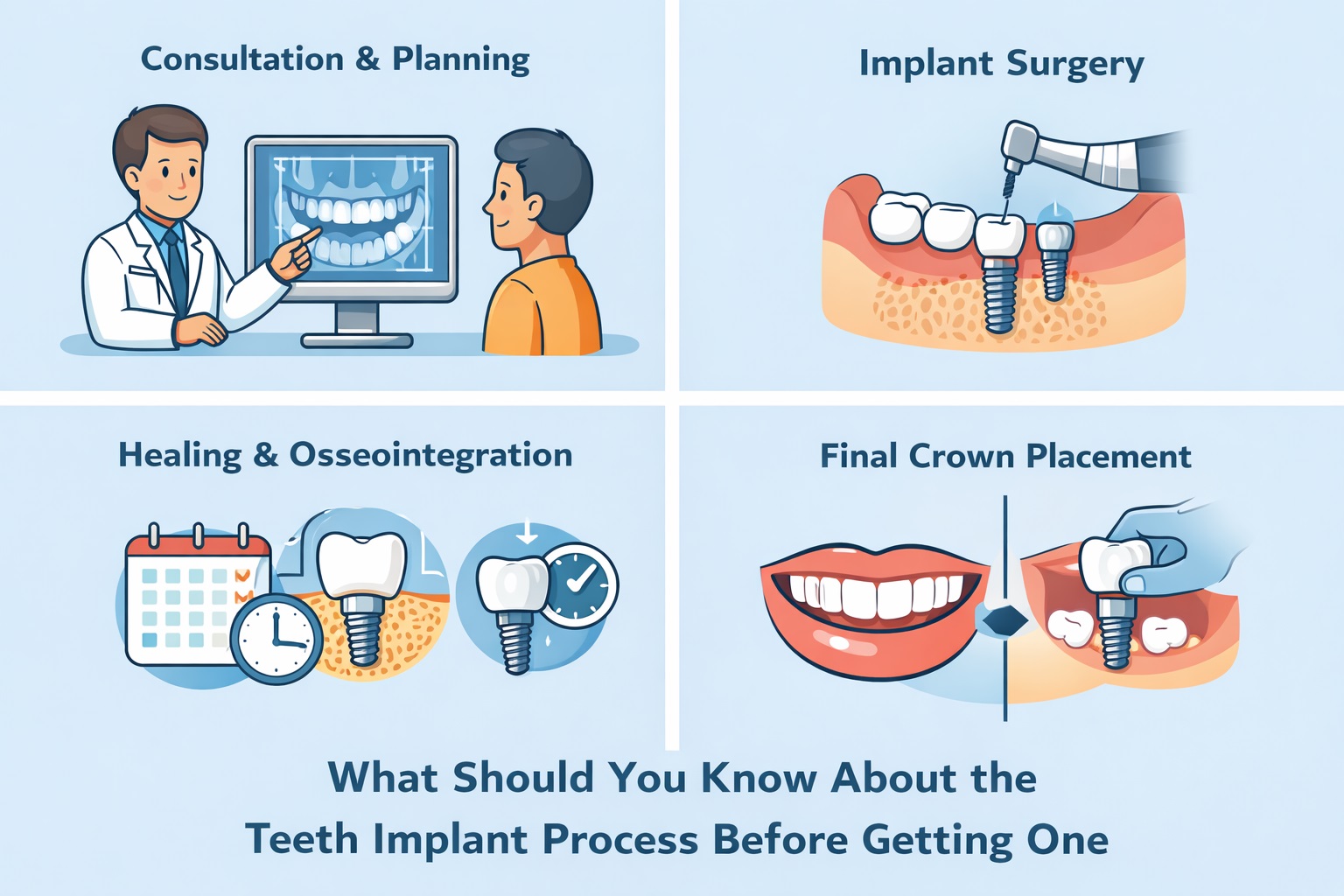
Getting a teeth implant can feel daunting, but understanding the process can make it a lot less overwhelming. Essentially, it involves several steps that take place over a few months.
First, you’ll have a consultation where the dentist evaluates your oral health. They might take X-rays and create a treatment plan tailored to your needs. This part’s crucial because if there’s not enough bone to support the implant, you may need a bone graft, which adds some time to the process.
Once everything is set, the actual implant procedure involves placing a titanium post into your jawbone. This acts as a root for the new tooth. After the surgery, there’s usually a healing period that lasts a few months. During this time, the bone begins to integrate with the implant. You might be surprised to find it’s a little less painful than it sounds, but don’t be alarmed if there’s some swelling or discomfort.
After healing, you’ll return to receive your crown—the part that looks like a tooth. Your dentist will make sure it matches your natural teeth, so it feels like a seamless part of your smile. And just like that, you’re on the way to enjoying your favorite foods again!
The Benefits of Dental Implants
Dental implants can make a world of difference if you’re dealing with missing teeth. One of the biggest perks is their stability. Unlike dentures that sometimes slip when you’re eating or laughing, implants are anchored directly into your jawbone. This can give you a real sense of confidence, especially at social gatherings.
Another advantage is how they blend in with your natural teeth. Most people won’t even notice you have them. They’re designed to look and feel just like your own teeth, which can make a big impact on your self-esteem. In fact, many folks have shared how much more they smile after getting implants!
- Long-lasting solution: With proper care, dental implants can last for many years, often outpacing other tooth replacement options.
- Improved oral health: They don’t require altering adjacent teeth, which helps maintain the overall health of your mouth.
Steps Involved in the Procedure
The teeth implant process isn’t just a quick trip to the dentist; it’s a bit involved but manageable if you know what to expect. First off, your journey typically begins with a consultation. This is where the dentist assesses your oral health, takes some images, and discusses your options. You’ll want to ask questions—like what materials are used for the implant. It’s also a chance to share any concerns you might have.
Once you’re on board, the next step is making sure your jawbone can support the implant. Sometimes, if the bone is too weak or thin, you might need a bone graft first, which adds additional healing time. If everything looks good, they’ll schedule the surgery. During the procedure, the dentist will place a titanium post into your jawbone, which acts as the root of your new tooth. Don’t worry; anesthesia will help keep you comfortable.
After the implant is placed, there’s usually a healing period, often several months, where the implant integrates with your bone. During this time, you might be given a temporary crown to help you with daily activities. Eventually, you’ll return to have the permanent crown fitted. Just keep in mind that healing times can vary; patience is key here. Like all things, it helps to stay informed and connected with your dental team.
Factors Affecting the Success of Implants
When it comes to the teeth implant process, several factors can play a big role in how successful your implant ends up being. It’s not just about having the procedure done; it’s about how well your body adapts and heals afterwards.
First, think about your oral health. If you’ve got gum disease or tooth decay, those issues need addressing before you can even consider implants. Healthy gums act like a solid foundation for your new teeth. Then, there’s bone density. If you’ve lost a significant amount of bone where the implant will go, it might not hold as well. In such cases, your dentist might suggest a bone graft, which is basically adding some extra bone material to help support the implant.
You’ll also want to consider your overall health. Conditions like diabetes or autoimmune disorders can affect healing, and might require special care. And don’t overlook the importance of habits like smoking; it can significantly interfere with the healing process. Staying away from tobacco products can help improve your odds of a successful implant.
- Follow post-operative care instructions carefully.
- Maintain regular dental check-ups to monitor the implant’s condition.
- Keep up with a good oral hygiene routine—flossing and brushing are key.
Common Mistakes to Avoid During the Process
Getting a teeth implant can be a big step, and it’s easy to slip up along the way. One of the most common mistakes is not asking enough questions. You might think that everything will be clear once you’re in the chair, but it’s helpful to grill your dentist about anything you’re unsure of. They’re there to help, and a little conversation can ease your mind.
Another misstep is skipping out on follow-up appointments. It might be tempting to brush off that next visit after the implant, but these check-ins are crucial. They help ensure everything’s healing properly, and any potential issues can be addressed early on.
- Don’t ignore your dentist’s post-op care instructions—they’re important for your recovery.
- Avoid comparing your experience too closely with others. Everyone responds differently to dental work.
Lastly, some people underestimate the time it takes for recovery. It’s not all about the surgery day; patience is key as your mouth heals and the implant integrates with your jawbone. So, give yourself that time and don’t rush back into your usual routine too soon.
Aftercare Tips for Successful Healing
Taking care of your new dental implant is just as important as getting the procedure done. After all, you want that smile to last! Here are some straightforward tips to help you heal properly and avoid complications.
First off, follow your dentist’s instructions to the letter. They know your specific situation best. For the first few days, try to stick with soft foods like yogurt or applesauce. Crunchy or hard foods can irritate the area and interfere with healing.
- Keep the area clean. Gently rinse with warm salt water after meals to help keep bacteria at bay.
- Don’t skip on pain management. If your dentist has prescribed medication or recommended over-the-counter pain relievers, take them as suggested. It’s easier to manage discomfort before it gets out of control.
- Avoid smoking and alcohol during your recovery. Both can slow healing and increase the risk of infection.
- Pay attention to swelling. It’s normal to feel a bit puffy, but if it gets worse or is accompanied by severe pain or fever, reach out to your dentist.
Each person heals at their own pace, but keeping these tips in mind will help you navigate the first few weeks with a bit more ease.
Cost Breakdown: Is It Worth It?
When it comes to the teeth implant process, one of the first questions that pops up is, “How much is this going to cost me?” Understandably, dental implants can be pretty pricey, often ranging from a few thousand to over ten thousand dollars, depending on various factors. The factors might include the type of implant, any additional procedures you may need, and, of course, the specific dentist or oral surgeon you choose.
Taking a closer look, you might find that the initial quote often covers only a portion of the total expenses. Here are some line items you might need to consider:
- Consultation fees: Some dentists charge for the initial visit where they’ll assess your needs and create a treatment plan.
- X-rays and imaging: Diagnostic imaging is crucial to see what’s going on under the surface, and it comes with its own costs.
- Surgery and placement: This is typically the bulk of your expenses, covering the actual implant procedure.
- Follow-ups and adjustments: You may need to return several times for check-ups, which can add up if they charge per visit.
In short, while the sticker shock might be real, many people find that the long-term benefits, like improved function and aesthetics, make implants worthwhile. They’re designed to last, often for many years, compared to other temporary solutions like dentures. Just make sure to do your homework and discuss all your options with your dentist to find what works best for your situation.
Frequently Asked Questions about Teeth Implants
Getting a teeth implant can feel overwhelming, especially with all the questions swirling in your mind. One of the most common concerns is about the pain level during the procedure. Most people report it’s not as bad as they expected. Anesthesia is used, so you won’t feel anything while the implant is being placed. Afterward, some soreness is normal, but it’s usually manageable with over-the-counter pain relievers.
Another question folks often have is about the healing process. Typically, the first stage of healing can take a few months while the implant fuses with your jawbone. Patience is key here—rushing to get your final crown can lead to complications. Just imagine going through all that and then finding out you need to wait longer because the implant hadn’t fully settled. It’s a real bummer!
- How long do implants last? With proper care, implants can last many years, even a lifetime.
- Can anyone get a teeth implant? Most adults can, but certain health conditions may prevent some individuals from being good candidates.
If you’re worried about the cost, that’s completely understandable. Prices can vary widely based on your location and the complexity of your case, but think of it as an investment in your health and confidence.