

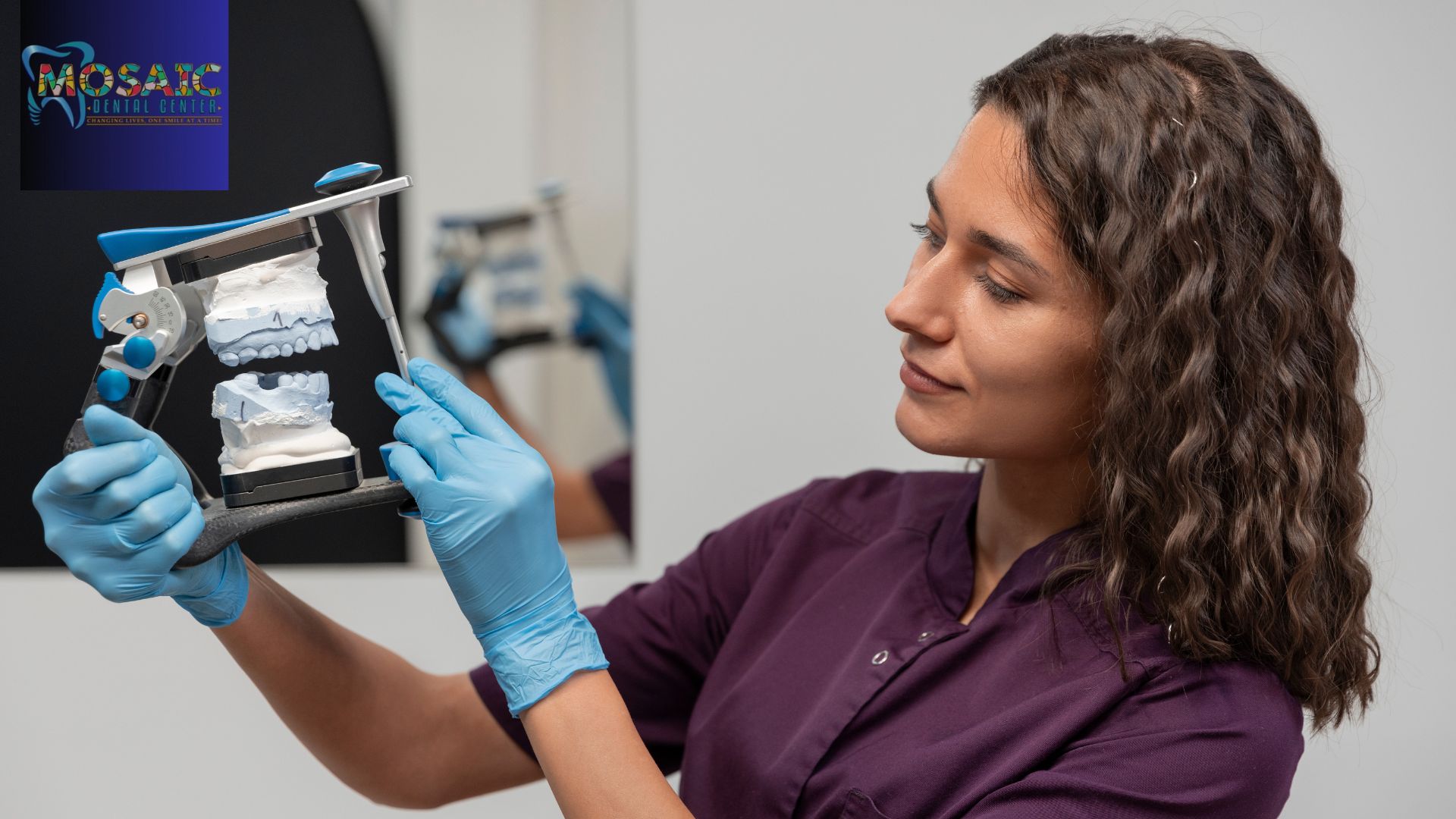
Dental implant restorations are a reliable way to replace missing teeth and restore everyday comfort. However, not everyone is immediately suited for this treatment. Understanding the key factors that influence suitability helps patients make informed decisions and plan appropriately. A proper assessment ensures long-term success and oral stability with dental implants in Orlando, FL.
Overall Health and Medical Readiness
General health plays an important role in determining whether dental implants are suitable. The body’s ability to heal directly affects how well an implant integrates with the jawbone. Patients with stable medical conditions often respond well, while unmanaged issues may require additional preparation.
Dentists carefully assess medical history to reduce treatment risks. This includes reviewing ongoing conditions, previous surgeries, and healing responses. These details allow dentists to tailor treatment plans safely and responsibly.
In some cases, patients may be advised to improve their general health before proceeding. Addressing concerns early often leads to smoother recovery and more predictable implant outcomes.
Patients are also guided on managing stress, sleep quality, and hydration before surgery. These factors support the body’s natural healing process and improve overall treatment experience.
- Stable medical conditions: Well-managed health conditions allow the body to heal efficiently, reducing complications and supporting long-term implant stability after placement.
- Medication awareness: Certain medications can affect bleeding or bone healing, so dentists review prescriptions carefully before planning implant surgery.
- Commitment to well-being: Patients who prioritise overall health, follow medical advice, and attend regular check-ups often experience smoother implant recovery and success.
Some patients also discuss appearance-focused treatments, such as teeth whitening in Orlando, during consultations. These options are planned separately and should support, not replace, essential restorative care.
Jawbone Strength and Bone Support
Jawbone quality is essential for dental implants because implants rely on bone for long-term support. When teeth are missing for extended periods, the jawbone may gradually weaken or shrink. Early evaluation helps prevent complex treatment needs later.
Advanced imaging allows dentists to measure bone volume and density accurately. These scans guide implant positioning and reveal whether additional preparation is required.
Healthy bone structure also helps maintain facial symmetry and prevents premature ageing caused by bone collapse after tooth loss.
Patients with strong bone support often experience shorter treatment timelines and more predictable implant placement outcomes.
- Adequate bone density: A strong jawbone provides a secure foundation for implants, allowing them to function comfortably and withstand everyday chewing forces.
- Effects of tooth loss: Missing teeth can lead to bone deterioration over time, which may affect facial structure and complicate implant placement if untreated.
- Bone grafting options: Advanced bone grafting techniques restore lost bone, enabling many patients to safely qualify for dental implant restorations.
Gum Health and Oral Hygiene Standards
Healthy gums are the foundation of successful implant treatment. Gum disease can weaken the tissues surrounding implants and increase the risk of failure. Dentists usually address gum concerns before implant placement to protect long-term outcomes.
Good oral hygiene reduces inflammation and supports healing. Patients are educated on brushing, flossing, and cleaning methods designed specifically for implant care.
Healthy gums also help protect neighbouring teeth, supporting overall oral balance and comfort.
- Disease-free gums: Healthy gum tissue reduces infection risks and supports proper healing around dental implants for lasting stability.
- Consistent hygiene routines: Daily brushing and flossing help prevent plaque buildup that could compromise implants and nearby teeth.
- Professional dental care: Regular visits to an Orlando dentist near me allow early detection of problems that may affect implant health.
Lifestyle Habits and Daily Choices
Lifestyle habits significantly influence implant success. Smoking, poor nutrition, and inconsistent dental care can slow healing and weaken bone integration. Dentists often recommend practical lifestyle adjustments before treatment.
Daily routines also affect how implants perform over time. Patients who follow instructions closely tend to experience fewer complications and better long-term comfort.
Maintaining a balanced routine supports both oral health and general well-being throughout the implant journey.
Hydration and regular physical activity also play a supportive role in healing. Staying well-hydrated improves circulation, while gentle movement supports immune response and tissue repair during recovery.
- Smoking reduction: Limiting or quitting smoking improves blood circulation, supporting faster healing and stronger implant integration within the jawbone.
- Nutritional balance: Diets rich in calcium, vitamins, and protein support bone health and tissue repair following implant surgery.
- Bite alignment support: Orthodontic options like Invisalign in Orlando can improve bite balance, reducing stress on implants and enhancing comfort.
Conclusion
Choosing dental implants requires careful evaluation of health, bone support, gum condition, and lifestyle habits. With proper planning, many patients can achieve stable, long-lasting results. A professional assessment helps set realistic expectations and guides treatment decisions. Patients considering dental implants in Orlando, FL, can receive thoughtful, patient-centred guidance and clinical insight.