

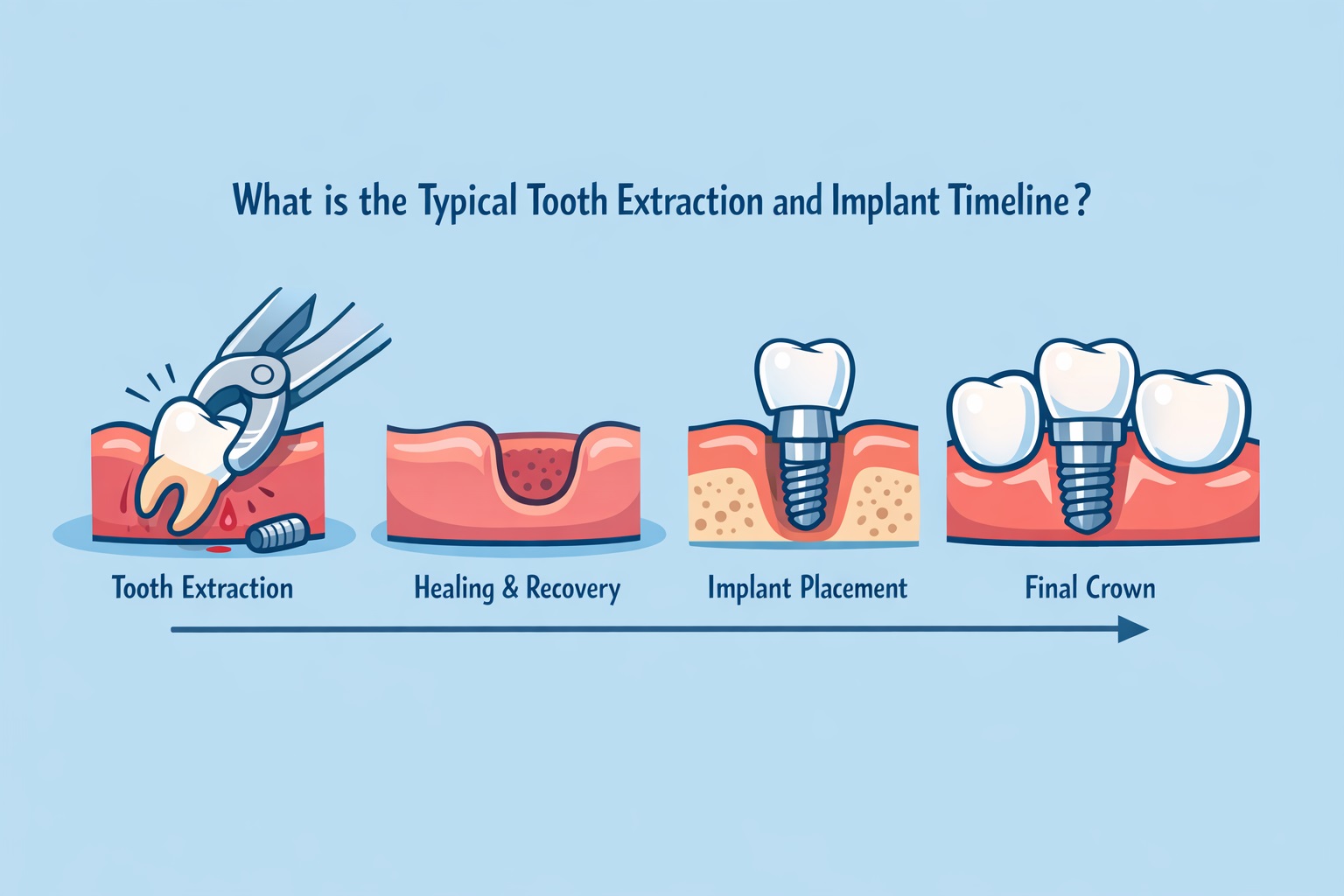
When you’re faced with a tooth extraction, it can feel a bit daunting. But understanding the process can help ease those nerves. First, your dentist will likely take some X-rays to get a good look at what’s going on beneath the surface. This helps them plan the extraction with precision.
Once you’re settled into the dental chair, the dentist will begin by numbing the area around the tooth. You might feel a little pinch from the needle, but it’ll soon be followed by a warm numb sensation. If the tooth is impacted or rather stubborn, you might hear some crunching sounds as the dentist works to loosen it. It’s all pretty standard, but if you start feeling discomfort, don’t hesitate to let them know.
- Post-extraction, you’ll be given aftercare instructions, which are crucial for a smooth recovery.
- It’s normal to experience swelling and some discomfort, so keep ice packs handy and take over-the-counter pain relief as advised.
Recovery generally takes a few days, but it’s vital to follow your dentist’s guidelines to avoid complications. Also, keep an eye on any unusual signs, like excessive bleeding or prolonged pain—those are worth a call to your dentist!
Factors Affecting Timeline for Implants
The timeline for getting an implant after a tooth extraction isn’t set in stone—it can vary quite a bit depending on several factors. For starters, the condition of your jawbone plays a huge role. If it’s healthy and has enough density, you could be looking at a shorter wait. But if it’s been damaged or has shrunk due to tooth loss, you might need a bone graft first, which can add months to the process.
Your overall health also matters. Conditions like diabetes or issues with blood clotting can slow down healing, making it smart to keep your doctor informed during this journey. It’s also crucial to consider how well you’re doing with oral hygiene. A clean mouth promotes faster healing post-extraction and prepares the way for implants. You’ll be surprised how much daily brushing and flossing can impact your timeline.
- Jawbone condition: healthy bone = quicker timeline.
- Overall health: chronic issues can extend the wait.
- Hygiene practices: good care speeds up healing.
Pre-implant Considerations and Preparations
Before diving into the timeline of tooth extraction and getting an implant, it’s clever to think about a few important factors. First off, scheduling regular dental check-ups can help catch any potential issues early. If you’re experiencing prolonged pain or discomfort in the affected area, that’s a key sign that you should consult your dentist.
Once the extraction is on the horizon, your dentist will typically carry out an assessment to ensure your jawbone is healthy enough to support an implant. If there’s any bone loss, options like bone grafting might be necessary, which can add time to your overall process. It’s not uncommon to feel a bit apprehensive about the entire ordeal, but being prepared can ease your worries. Here are a few points to consider:
-
Understand your insurance coverage—dental implants can be pricey, and knowing what’s covered can help you plan.
- Be ready for recovery time—after extraction, your body needs some rest before moving forward with an implant.
- Discuss any medications or supplements you’re taking with your dentist to avoid complications. Certain blood thinners, for instance, may need to be paused.
Common Mistakes to Avoid in the Timeline
Navigating the timeline for tooth extraction and implant procedures can be tricky, and it’s easy to make missteps along the way. One of the biggest mistakes people make is rushing the healing process. After an extraction, your body needs time to recover before you even think about getting an implant. Skipping this crucial step can lead to complications down the line.
Another common pitfall is underestimating the importance of follow-up visits. Once you’ve had your tooth extracted, your dentist will want to monitor the healing process. Missing these check-ups can leave you in the dark about any potential issues that could delay your timeline. And then there’s the temptation to ignore dietary restrictions; being careful about what you eat during recovery can make a big difference.
- Don’t skip out on pain management—using prescribed medications can help you heal more comfortably.
- Try not to ignore swelling; if it doesn’t go down after a few days, reach out to your dentist.
Estimated Recovery Time After Tooth Extraction
After a tooth extraction, most people can expect some swelling and discomfort for the first few days. It’s pretty normal to feel a bit sore, and managing that with over-the-counter pain relievers usually does the trick. You might want to stick to soft foods like yogurt or mashed potatoes for the first couple of days, especially if chewing feels a bit tricky.
Generally, the initial healing period lasts about a week. During this time, your gums will start to heal, and the blood clot that forms in the extraction site is crucial for recovery. It’s important to avoid vigorous rinsing or spitting, which can dislodge the clot and result in a painful condition called dry socket.
- Most people feel pretty much back to normal after about one week.
- By three to four weeks, the gum tissue should be well healed.
If you’re planning to get an implant, you’ll likely have a short waiting period after your extraction—usually anywhere from a few weeks to a couple of months, depending on how well you heal and whether additional procedures are needed. Listening to your dentist’s advice here is key!
Scheduling Your Dental Implant Surgery
Once you’ve discussed your tooth extraction and the need for an implant with your dentist, the next big step is scheduling the surgery. The timing can vary based on several factors, including your overall oral health and the specific circumstances of the extraction.
Often, after an extraction, your dentist might recommend waiting a few months to allow the gum to heal properly before placing the implant. However, in some cases, like when you’re getting immediate implants, you might have everything done in one visit. This approach can save time but isn’t suitable for everyone, as it requires a healthy bone structure and gum tissue.
- Checking your schedule: Plan for a few days of downtime after surgery to manage any discomfort.
- Considering your dental insurance: Make sure to verify coverage details for both the extraction and the implant procedure.
- Consulting with your dentist: They can advise the best timeline based on your specific situation.
Post-operative Care for Smooth Recovery
After a tooth extraction, taking care of yourself is key to a speedy recovery. You might feel a bit sore, and that’s totally normal. Following your dentist’s post-operative instructions can really make a difference in how you heal.
First, try to rest as much as possible. Your body’s working hard to heal, so don’t push it. For the first few days, stick to soft foods like yogurt, mashed potatoes, or smoothies. Chewing on anything too hard can irritate the extraction site, and no one wants to go through that again.
- Keep your head elevated, especially when sleeping; this helps reduce swelling.
- Use ice packs for the first 24 hours to minimize discomfort and swelling.
- Stay hydrated, but avoid using straws. The suction can disrupt blood clots.
- If you’re prescribed pain medication, take it as directed to stay ahead of the pain.
Most importantly, don’t skip follow-up appointments. Your dentist will want to make sure everything’s healing as it should. And if you notice anything unusual, like excessive bleeding or signs of infection, reach out to them right away. Your comfort and health come first during this transition to your new implant.
Tips for a Successful Implant Timeline
When you’re looking at the process of tooth extraction and ultimately getting an implant, there are a few things you can keep in mind to make everything go smoothly. Patience is key here; the entire journey could take months, so staying informed helps.
First off, make sure you follow your dentist’s post-extraction care instructions. It might seem simple, but things like keeping the area clean and avoiding tough foods can make a real difference in how quickly you heal. A common mistake is thinking it’s fine to jump right back into regular eating habits. Give your mouth time to recover!
- Stay hydrated but avoid straws in the early days. The suction can disrupt healing.
- If you smoke, consider cutting back or quitting, as this can interfere with healing.
- Keep up with any follow-up appointments; they’re essential for ensuring everything is on track.
Finally, don’t hesitate to ask your dentist any questions. Whether you’re wondering about pain management or what to expect at each phase, getting clear answers can ease a lot of anxiety.
Frequently Asked Questions About the Timeline
When you’re looking into a tooth extraction and implant timeline, it’s totally normal to have questions. For instance, how long will it really take from extraction to getting your new tooth? Generally, the whole process—from removing the tooth to placing the implant—can spread out over several months, depending on a few factors.
After an extraction, there’s usually a healing period of a few weeks to a few months before you can get the implant. This gives the bone time to recuperate and be ready for the new implant. People often wonder about pain management during this time. Don’t hesitate to talk to your dentist about pain relief options you can use while waiting.
- What if I need a bone graft? This can add a few more months to the timeline.
- Can I get a temporary tooth while I wait for the implant? Yes, many dentists offer temporary solutions.