

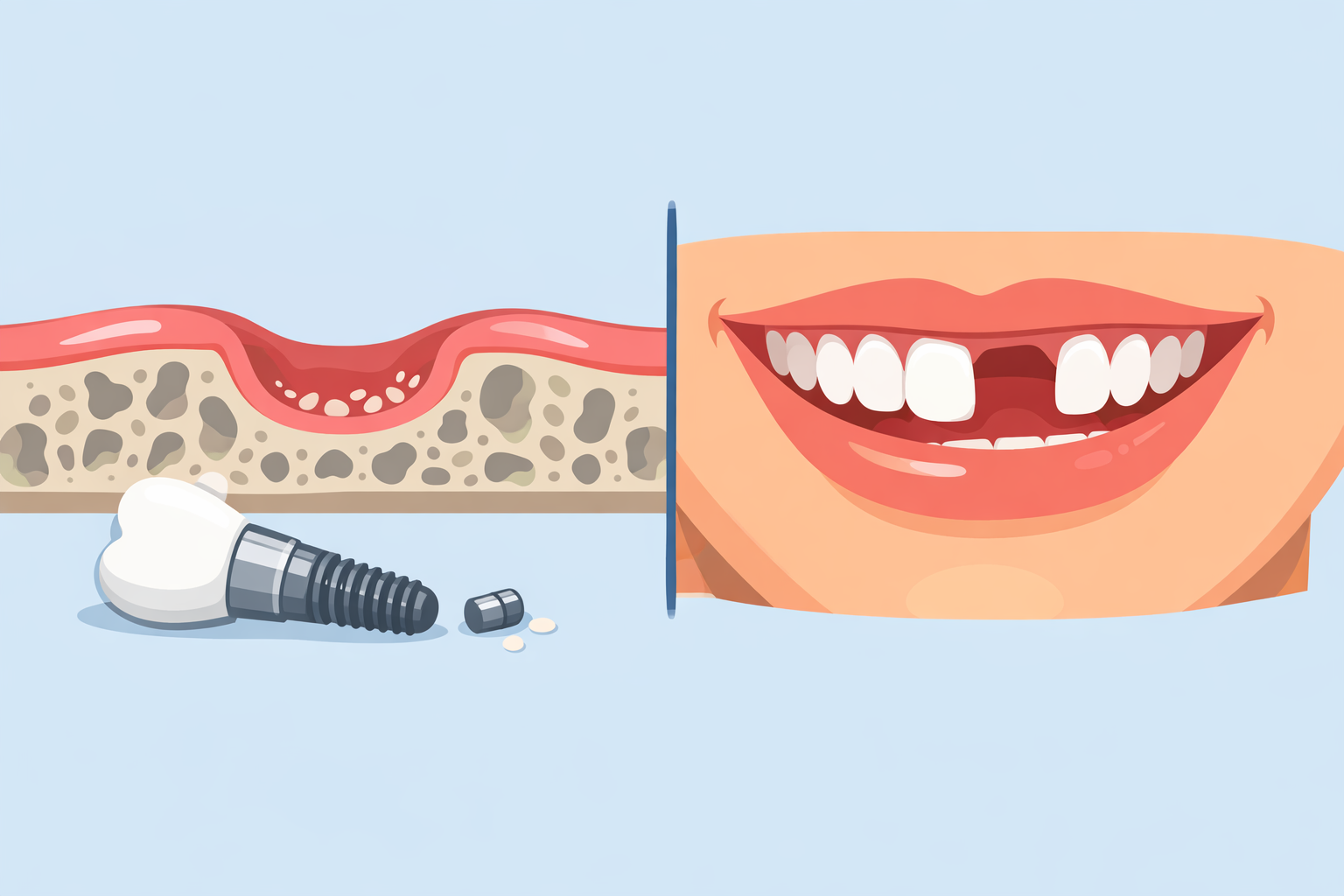
A bone graft in dentistry is a procedure where new bone is added to your jawbone to provide support for dental implants or to aid healing. This may sound a bit intimidating, but it’s a pretty common step for those who’s experienced tooth loss or related issues. Essentially, the graft serves as a scaffold, helping your body’s own bone grow around it over time.
There are a few different types of bone grafts. For instance, some use your own bone, taken from another part of your body, while others might use synthetic materials or bone from a donor. Each option has its pros and cons, and your dentist will make recommendations based on your specific situation. It’s not just a plug-and-play process; they’ll consider your overall oral health, the quality of your existing bone, and what’s best for your long-term stability.
- Autografts: your own bone, often from the chin or hip.
- Allografts: bone from a donor, which is sterilized and processed.
- Xenografts: typically made from animal bone, usually from cows.
- Alloplasts: synthetic materials that mimic bone structure.
Types of Bone Grafts Used in Dental Procedures
When it comes to dental bone grafts, there are a few different types to consider, each with its own unique characteristics and applications. Understanding these can help you grasp what your dentist might suggest for your specific situation.
One common type is the autograft. This involves taking bone from another part of your own body, usually the jaw or hip. While it’s the gold standard due to its compatibility, patients often have to deal with two surgical sites, which can be a bit daunting.
Another option is the allograft, where the bone is sourced from a donor, typically someone who has passed away. This type reduces the need for an additional surgical site and can be quite effective, but your body does need to integrate this foreign material, which can take some time.
Then there’s the xenograft, which comes from animals, often bovine sources. This may sound a bit strange, but it’s actually quite safe and widely used. Lastly, synthetic grafts, made from biocompatible materials, are also available. They can be a good choice if you’re hesitant about using human or animal tissue.
Why Are Bone Grafts Necessary in Dentistry?
Bone grafts play a crucial role in dental procedures, especially when there isn’t enough bone structure to support implants or other treatments. Imagine you’ve lost a tooth due to injury or decay, and the bone underneath has deteriorated. Without a solid foundation, an implant might not be stable or could fail down the line.
Sometimes, bone loss happens when a tooth is removed or after prolonged denture wear, leaving gaps where bone can shrink. A bone graft fills these gaps and encourages new bone growth, providing the sturdy base needed for successful dental work. This process not only helps with aesthetics but also supports functionality in chewing and speaking.
- If you’re considering an implant but are told you need a graft first, it’s pretty common and can greatly improve your outcome.
- Don’t worry if it sounds daunting; it’s a routine procedure for many dentists, and they’ll walk you through the steps involved.
Factors Influencing the Success of Bone Grafts
The success of a bone graft in dental procedures can hinge on several key factors, each playing a unique role in how well the graft integrates and heals. It’s not just about placing the graft; it involves a bit more finesse.
One major factor is the health of the surrounding tissue. If you’ve got gum disease or other oral health issues, your body might struggle to support the graft. Think of it like building a house on a shaky foundation; without solid gums, you could run into trouble. Age can also influence healing. Older patients may have a slower recovery process, while younger folks often bounce back more quickly. Nutrition matters, too. A balanced diet rich in vitamins and minerals helps your body heal faster. If you’ve ever noticed how much better you feel after a good meal, the same logic applies here.
- Graft Material: The type of material used, whether it’s autograft (from your own body), allograft (from a donor), or synthetic, can impact integration.
- Surgical Technique: How the graft is placed—ensuring proper blood supply and minimizing trauma—will also dictate success rates.
Lastly, your overall health plays a significant role. Chronic conditions, such as diabetes, can complicate the healing process, so it’s important to discuss your medical history with your dentist before jumping in. Every little detail can shape the outcome of your bone graft, so it’s worth paying attention to them all.
Common Mistakes to Avoid During Bone Graft Procedures
When it comes to bone grafts in dentistry, a few missteps can really set back recovery or even lead to complications. First off, some patients underestimate the importance of following aftercare instructions. Skipping prescribed medications or neglecting to stick to a soft-food diet can impede healing. It’s tempting to rush back to your usual routine, but giving your mouth time to heal makes a big difference.
Another common mistake is not communicating openly with your dentist. If you’re feeling pain beyond what’s expected or notice swelling that doesn’t subside, don’t hesitate to reach out. Ignoring these signs can lead to bigger issues down the line. And don’t forget, everyone’s body reacts differently, so your experience might not mirror someone else’s.
- Thinking all bone graft materials are the same—each type has its pros and cons.
- Failing to attend follow-up appointments, which are crucial for monitoring progress.
Cost of Bone Graft Dental Procedures: What to Expect
The cost of a bone graft dental procedure can vary quite a bit depending on several factors, including the type of graft used and the specific complexity of the case. Generally, you might be looking at anywhere from a few hundred to a couple of thousand dollars. It’s important to have a chat with your dentist about the details, as they can provide a more tailored estimate based on your individual needs.
Many dental insurance plans will cover part of the cost, especially if the graft is deemed medically necessary. However, some policies might not cover it at all. Don’t hesitate to ask your insurance provider for clarity—it’s worth knowing what you might be responsible for out-of-pocket.
- Type of graft: Autografts (your own bone) tend to be more expensive.
- Location of the procedure: Costs can differ based on where you live.
- Additional procedures: If you need extra work like a sinus lift, that’ll add to the total.
Tips for Recovery After a Bone Graft Dental Surgery
After your bone graft dental surgery, recovery is key to ensuring everything heals properly. You’ll want to take it easy for the first few days. Rest is important, so don’t rush back into your usual routine. You might feel some discomfort, and that’s totally normal. Just remember to follow your dentist’s advice closely.
Here are some practical tips to help you through the healing process:
- Stick to soft foods. Think yogurt, mashed potatoes, and smoothies for the first few days.
- Ice your jaw for about 15-20 minutes at a time to help reduce any swelling.
- Avoid using straws and don’t spit forcefully, as these can disrupt the healing site.
- Keep your head elevated, even while you sleep, to minimize swelling.
- Stay hydrated, but be cautious with hot drinks for a bit.
If you notice anything out of the ordinary, like excessive bleeding or severe pain, don’t hesitate to contact your dentist. They’re there to make sure you’re recovering without any hitches.
FAQs About Bone Grafts in Dental Practice
So, what exactly happens during a bone graft dental procedure? Basically, it’s a way to replace or rebuild bone in the jaw area, often after tooth loss or injury. Many folks are surprised to learn that bone grafts can use bone from various sources, like your own body, a donated source, or even synthetic materials.
People often wonder how long the recovery takes. Well, it usually varies. Some might feel a bit sore for a few days, while others may take weeks to heal completely. It’s all about how much work was done and how your body responds. Remember, listening to your dentist’s post-op advice is key to a smoother recovery.
- Is a bone graft painful? Most patients find that the discomfort is manageable with over-the-counter pain relievers.
- How long until I can get my implant? Typically, you’ll wait a few months for the bone to heal and integrate before getting an implant.