
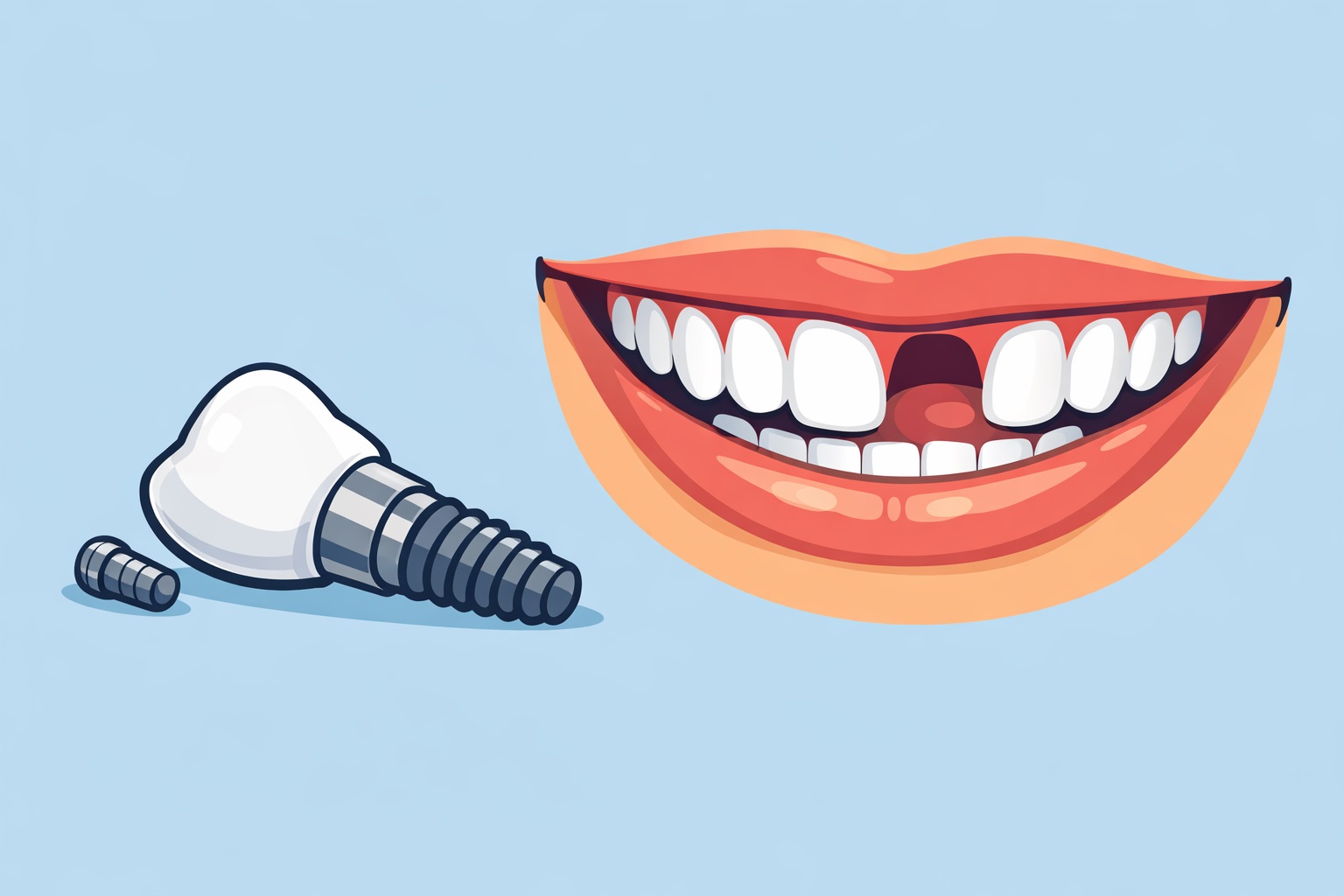
Periodontics is the branch of dentistry that focuses on the gums and the structures supporting your teeth. It’s essential because healthy gums are crucial for overall dental health. When your gums are not healthy, it can lead to serious issues like gum disease, which affects both your smile and overall well-being.
Many people don’t realize that gum disease can be sneaky. You might not feel pain right away, but over time, it can cause gum recession or even tooth loss. Regular check-ups with a periodontist, like those at Exton Periodontics and Dental Implants, can help catch problems early.
Key Benefits of dental Implants
Dental implants are a great option for people who’ve lost one or more teeth. They look and function just like natural teeth, which is pretty amazing. If you’ve ever tried to eat with a gap in your smile, you know it can be difficult.
One of the best things about dental implants is that they’re very stable. Unlike dentures, which can shift around, implants stay put. This means you can enjoy your favorite foods without worrying about slippage.
- Improved Appearance: Implants look and feel real, boosting your confidence.
- Long-lasting: With proper care, they can last many years—often a lifetime.
- Bone Health: Implants help maintain your jawbone, preventing deterioration.
Getting an implant can be a commitment, but many people find the benefits are definitely worth it.
How to Choose the Right Periodontist
Choosing a good periodontist is really important for your dental health. You want someone who makes you feel comfortable and knows what they’re doing. Start by asking your friends or family for recommendations. They might have great suggestions based on their own experiences.
Next, consider looking up reviews online. Websites like Yelp or Google can give you a glimpse of what other patients think. Pay attention to comments about the staff and the office environment, too. It’s nice to go to a place that feels welcoming.
- Check if the periodontist has experience with dental implants, especially if that’s what you need.
- Schedule a consultation. This gives you a chance to meet them and ask questions. You can see if their communication style works for you.
- Make sure they use the latest technology. This can help with more accurate diagnoses and treatments.
Finally, trust your gut. If something doesn’t feel right during your visit, it’s okay to look for someone else. Your comfort and health should come first!
Common Mistakes to Avoid When Considering Implants
Getting dental implants can be a great choice, but it’s important to avoid some common mistakes. First, don’t skip the consultation with your dentist. They can help you understand your specific needs and whether implants are even the right fit for you.
Another mistake people make is rushing the process. Implants take time, from planning to healing. It’s not just a quick fix. Make sure you understand the steps and follow them. Some folks also forget to consider their overall health. Conditions like diabetes can affect healing, so be open about your medical history.
- Don’t ignore aftercare. Proper cleaning and regular check-ups are vital.
- Make sure you understand costs and insurance coverage; hidden fees can pop up.
Factors Influencing the Cost of Dental Implants
The cost of dental implants can vary quite a bit. Several factors play a role in how much you’ll end up paying. One of the biggest factors is the type of implant you choose. Some implants are made of different materials, which can change the price.
Another big thing is the experience of the dentist. A highly experienced specialist might charge more, but you could also get better results. Your location matters too; dental care tends to be more expensive in big cities compared to smaller towns.
- Number of Implants: If you need more than one implant, the cost will obviously go up.
- Additional Procedures: Sometimes, you might need extra work like bone grafts or sinus lifts before getting implants. These add-ons can raise the total cost.
Finally, dental insurance can affect your out-of-pocket costs. Some plans cover a portion of implants, while others don’t. It’s always good to check what your plan offers.
Essential Aftercare for Periodontics and Implants
Taking care of your mouth after getting periodontics or dental implants is really important. It helps things heal better and keeps your smile bright. After any treatment, follow these steps to ensure your mouth stays healthy.
First, make sure to stick to soft foods for a few days. Things like yogurt, mashed potatoes, and smoothies are good choices. Avoid crunchy or hard foods that could disturb your gums or implants.
Next, keep your mouth clean but be gentle. You can brush your teeth, but don’t scrub too hard, especially around the areas that were treated. Using an antibacterial mouthwash can also help kill germs and prevent infection.
Don’t forget about your follow-up appointments! They’re super important for checking how well your mouth is healing.
- Avoid smoking, as it can slow down healing.
- If you have any swelling or pain that doesn’t go away, call your dentist.
Frequently Asked Questions About Periodontics
Many people have questions about periodontics, especially when they first hear the term. So, what exactly is it? Periodontics is a branch of dentistry that focuses on the structures around your teeth. This includes your gums and the bone that supports your teeth.
Here are some common questions people ask:
- What causes gum disease? Gum disease is mostly caused by plaque buildup on your teeth. If you don’t brush and floss regularly, that plaque can harden into tartar, leading to inflammation and infection.
- How do I know if I have gum disease? Symptoms can include swollen or bleeding gums, bad breath, and sometimes even tooth sensitivity. If you notice any of these signs, it’s a good idea to see a dentist.
- Can gum disease be treated? Yes! Early stages can often be treated with good dental hygiene and regular cleanings. In more advanced cases, treatments like scaling and root planing are available.
Signs You Need to Visit a Periodontist
Sometimes, your gums might be trying to tell you something. If you notice any of these signs, it could be time to see a periodontist.
- Your gums bleed when you brush or floss.
- Your gums look red or swollen.
- You have bad breath that just won’t go away.
- Teeth feel loose or you notice spaces between your teeth.
- You’ve got a constant bad taste in your mouth.
Catching these issues early can make a big difference. Regular check-ups can help keep your smile healthy!
The Link Between Periodontal Health and Overall Well-Being
Your gums and teeth aren’t just important for your smile. They play a big role in your overall health. When you have healthy gums, it can help keep your body healthy too. But when your gums are infected or inflamed, it can lead to more serious health issues.
For example, gum disease has been linked to heart problems and diabetes. If bacteria from your mouth enter your bloodstream, it can affect your heart and other organs. Regular visits to places like Exton Periodontics and Dental Implants can help catch these issues early. Good dental care isn’t just about having a nice smile; it’s about taking care of yourself as a whole.