

Cost Of Dental Implants In Ohio typically ranges from $3,000 to $4,500 per implant, depending on factors like materials, location, and dentist expertise. Understanding these costs is crucial for those considering dental implants as a long-term solution for missing teeth.
For example, a patient in Columbus may pay differently than someone in Cleveland due to variations in dental practices and local market rates. Getting multiple quotes can help you find the best option for your budget.
When considering dental implants, understanding the factors that influence their cost can save you a lot of money and stress. The cost of dental implants in Ohio can vary significantly based on several key elements. Let’s break them down.

Factors Influencing Dental Implant Costs in Ohio
The cost of dental implants in Ohio isn’t just a flat rate; it’s influenced by a variety of factors that can change the final price. Knowing these factors can help you make informed decisions and possibly save on your dental care.
One of the primary factors affecting the price is the type of implant used. There are different materials and designs available, each with its own price point. For instance, titanium implants are popular due to their durability but can be more expensive than other options like zirconia implants.
Next, the location of the dental practice plays a significant role in cost variations. Dentists in larger cities like Columbus or Cincinnati may charge more for their services compared to those in smaller towns. This is often due to higher overhead costs and demand for dental services in urban areas.
Another key factor is the experience of the dentist. A highly experienced dentist might charge more for their expertise, but you could benefit from better results and fewer complications. For example, a dentist with years of experience may have a higher success rate, which could save you money on future procedures.
In addition to these factors, you might also want to consider additional expenses like consultations, imaging, or any preparatory procedures that might be needed before the implants can be placed. These can add up quickly if you’re not prepared.
Ultimately, when exploring the cost of dental implants, it’s a good idea to get multiple quotes from different providers. This way, you can compare prices and see where you might find a better deal without sacrificing quality.
When considering dental implants, understanding the costs involved helps you make informed decisions. The cost of dental implants in Ohio can vary widely based on several factors. Here’s a closer look at the average costs associated with the entire process.
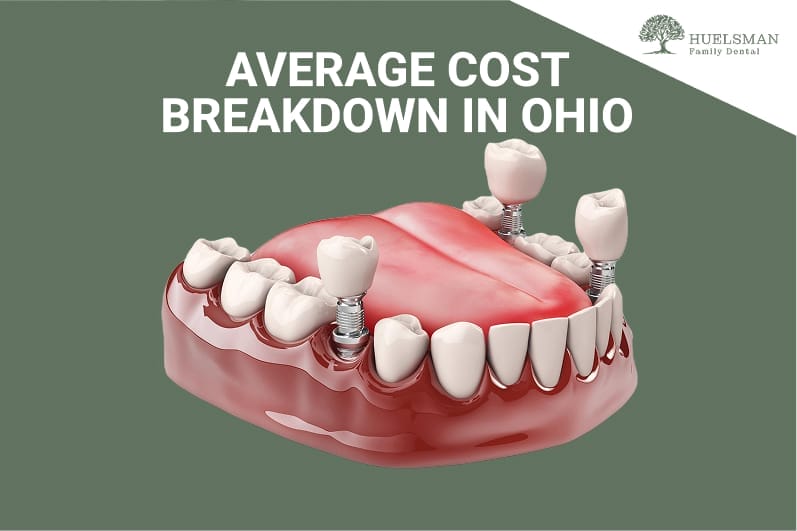
Average Cost Breakdown for Dental Implants
The total cost of dental implants typically includes surgery fees, the implant materials, and post-operative care. Each component plays a crucial role in determining the final price you’ll pay, so let’s break them down further.
The surgery fees are one of the most significant parts of the overall expense. Depending on the complexity of your case, you might pay anywhere from $1,000 to $3,000 for the surgical procedure itself. This fee usually covers the dentist’s expertise and the use of their facility. If you need additional procedures like bone grafting, that will increase the cost.
Next, let’s talk about implant materials. The type of implant you choose can greatly affect the price. High-quality titanium implants, which are often recommended for their durability and biocompatibility, can cost between $300 to $600 each. However, if you opt for less expensive materials, you might save some money upfront, but it could lead to more issues in the long run. Think of it like investing in shoes; quality matters if you want them to last.
Post-operative care is another essential factor in the cost of dental implants in Ohio. After the surgery, follow-up visits are crucial for ensuring your implants heal correctly. These visits might cost you an additional $200 to $500, depending on how many appointments you need. Remember, neglecting this part can lead to complications, which can be even more costly down the line.
For example, let’s say you decide to get a single dental implant. If the surgery is $2,000, the implant material is $500, and post-operative care adds another $300, you’re looking at a total of around $2,800. That’s a decent ballpark figure to keep in mind when budgeting for your dental needs.
When planning for dental implants, consider all these factors. Knowing the average costs can help you find a dentist that fits your budget while ensuring you get quality care. Always ask for a detailed estimate before proceeding so you won’t be caught off guard by unexpected expenses.
Considering dental implants in Ohio but worried about the cost? You’re not alone. Many patients seek affordable options to make this investment in their oral health manageable.

Financing Options for Dental Implants in Ohio
Fortunately, there are several financing options available to help you cover the cost of dental implants in Ohio. From insurance coverage to payment plans, you can find a solution that works for your budget.
First, let’s talk about dental insurance. Some plans may offer partial coverage for dental implants. If you have insurance, it’s a good idea to check your policy to see what’s included. Even if your plan doesn’t cover the entire procedure, you might still be able to offset some of the costs.
Next, many clinics offer payment plans that allow you to break down the total cost into manageable monthly payments. This can make a significant difference in how you budget for your dental work. For instance, if your dental implant costs $3,000, a clinic might let you pay just $250 each month over a year, making it much easier to handle.
Another option is to explore third-party financing services. These companies specialize in medical and dental financing, providing loans or credit lines specifically for treatments like dental implants. They often have flexible terms and competitive interest rates, which can help you get the care you need without breaking the bank.
When considering these financing options, it’s essential to read the fine print. Understand the interest rates and any fees associated with payment plans or loans. You want to ensure that the financing fits comfortably into your budget without adding unexpected costs.
Before making a decision, take the time to research and compare different financing methods. It might also be helpful to speak with your dentist about what options they recommend. They may have partnerships with financing companies or specific payment plans tailored for their patients.
Don’t let the cost of dental implants in Ohio deter you from getting the smile you deserve. With the right financing options, you can make this investment in your health and confidence more affordable.
If you’re considering dental implants in Ohio, you’ll notice that the cost can vary quite a bit depending on where you are. Major cities often have different pricing structures compared to rural areas, so it pays to do your homework.
Comparing the Cost of Dental Implants Across Ohio Cities
The cost of dental implants in Ohio can fluctuate significantly from city to city. Larger urban centers like Columbus and Cleveland tend to have higher prices due to increased demand and overhead costs, while smaller towns may offer more budget-friendly options.
In major cities, you might find that the average cost of dental implants can range from $3,000 to $5,000 per implant. This pricing reflects the higher cost of living and services in urban areas. For instance, in Columbus, you might pay around $4,500 for a single implant, whereas in a rural area like Zanesville, it could be closer to $3,000.
Pricing trends in urban centers are influenced by several factors. Competition among dental practices can drive prices up or down. In cities with a higher concentration of dental specialists, you might see promotional offers or package deals that can reduce costs. However, be cautious—sometimes lower prices can mean less experienced providers or compromised materials.
On the flip side, rural areas often see fewer dental practices, which can lead to limited options but may also mean lower overall costs. If you’re in a smaller town, the average might hover around $2,500 to $3,000 for a single implant, making it a more affordable choice for many.
Local Competition Effects
Local competition plays a crucial role in determining the cost of dental implants. In cities with more dentists, practices may lower their prices to attract patients. This could lead to more competitive pricing, making dental implants more accessible. On the other hand, in regions with fewer dentists, prices might be higher due to the lack of options.
When considering dental implants, the cost can often be more than just the price of the implant itself. You might run into additional expenses that can catch you off guard if you’re not prepared.
Potential Additional Costs to Consider
While the basic cost of dental implants in Ohio can give you a ballpark figure, there are several additional procedures that might be necessary depending on your unique dental situation.
One major factor that could increase your overall costs is the need for bone grafting. If your jawbone isn’t thick enough to support an implant, your dentist might recommend this procedure. Bone grafting can help create a solid foundation for your implant, but it can also add a significant amount to your overall expenses.
Another procedure you might come across is a sinus lift. If you’re getting implants in your upper jaw, a sinus lift can be essential if your sinus cavity is too close to your jawbone. This surgery raises the sinus floor and adds bone to the area, ensuring your implant has the best chance of success. Like bone grafting, a sinus lift can also contribute to the cost of dental implants in Ohio.
Don’t forget about sedation options, especially if you’re feeling anxious about the procedure. Sedation can range from local anesthesia to more involved options like IV sedation. While sedation can make the experience much more comfortable, it can also add to your bill. It’s essential to discuss these options with your dentist to find what works for you.
Let’s say you find out during your consultation that you’ll need both a bone graft and a sinus lift. Suddenly, your initial estimate for dental implants might feel a lot heavier on your wallet. It’s crucial to have a detailed conversation with your dentist about what to expect.
Be sure to ask for a comprehensive breakdown of all potential costs before moving forward. Understanding these additional expenses will help you budget effectively and avoid any surprises down the line. It’s all about being prepared for your journey to a brighter smile!
When considering your options for tooth replacement, the long-term value of dental implants often stands out. While the upfront cost of dental implants in Ohio may seem high, their durability and health benefits can make them a wise investment in your smile.

Long-Term Value of Dental Implants vs. Other Options
Dental implants provide a unique combination of longevity and health advantages that typically outshine alternatives like dentures and bridges. Over time, the benefits can far exceed the initial costs, making them an appealing choice for many.
One of the key advantages of dental implants is their durability. With proper care, these implants can last a lifetime, while dentures and bridges may need replacement every 5 to 10 years. This means fewer trips to the dentist and less money spent on replacements over time.
Comparing Lifespans
- Dental Implants: 25 years or more with good care.
- Bridges: 10 to 15 years on average.
- Dentures: 5 to 10 years, often needing adjustments.
This extended lifespan can significantly reduce your overall expenses. Imagine investing in a dental implant at age 40. If it lasts until you’re 80, you’re looking at a one-time expense versus multiple replacements for bridges or dentures throughout your lifetime.
Another crucial aspect is the impact on your oral health. Dental implants help maintain the jawbone, preventing the bone loss that often accompanies tooth loss. In contrast, dentures can lead to further oral health issues, including gum disease and additional tooth loss. That’s because they don’t stimulate the jawbone as implants do.
Choosing implants can also improve your quality of life. Many people find that dentures can slip or slide during eating and speaking, which can be frustrating. With implants, you’ll experience a secure fit that lets you enjoy your favorite foods without worry.
When weighing the cost of dental implants in Ohio against the recurring expenses of dentures or bridges, remember that the value isn’t just in the price tag. It’s in the comfort, longevity, and health benefits that come with a well-placed implant. Investing in your smile today can lead to a brighter, healthier tomorrow.