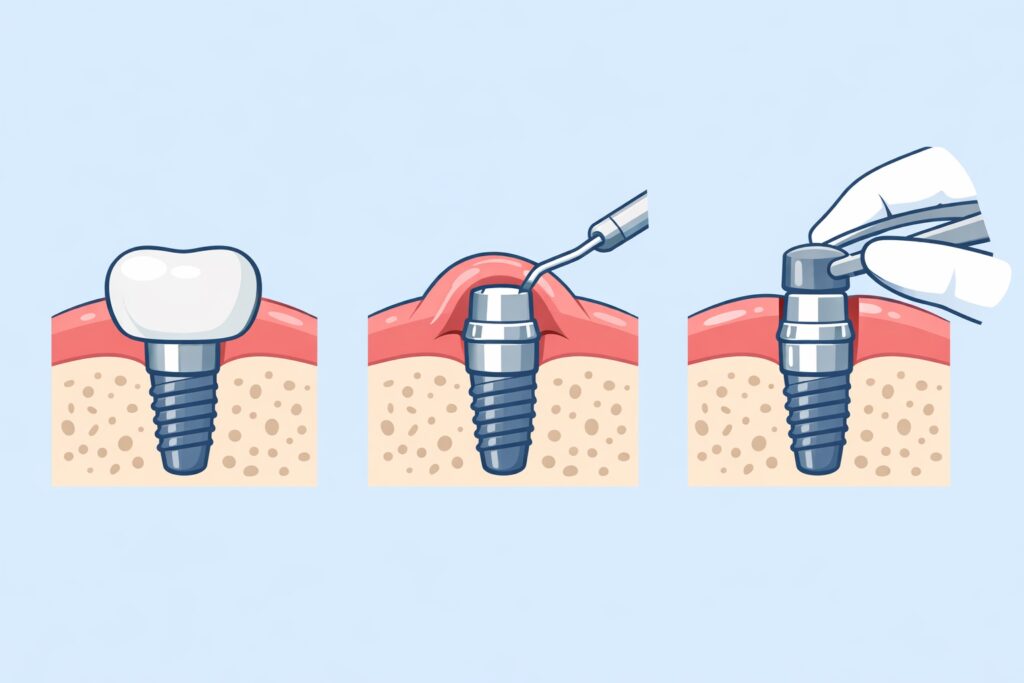
Dental implants are a long-term solution for missing teeth, often completed in stages to allow for proper healing and integration. One critical step in the two-stage dental implant process is the uncovering surgery. This minor procedure happens after the implant has fused with the jawbone, and it marks the transition toward placing the final crown. Although relatively straightforward, many patients aren’t sure what to expect during this phase. Understanding the uncovering process and its role in implant success can help reduce anxiety and improve outcomes.
What is Dental Implant Uncovering?
Dental implant uncovering is a minor surgical procedure performed after the initial implant has fully integrated with the jawbone, typically a few months after the first surgery. It involves making a small incision in the gum tissue to expose the top of the dental implant, which was previously buried under the gums to protect it during the healing phase.
This procedure is part of the two-stage dental implant process. In a two-stage implant, the implant is placed and covered by gum tissue during the initial surgery to allow for undisturbed healing (osseointegration). Once healing is complete, the uncovering procedure is performed to access the implant and place a healing abutment — a small connector that shapes the gum tissue for the future crown.
In contrast, a one-stage dental implant leaves the abutment slightly visible above the gum line from the start, eliminating the need for a second minor surgery. However, the two-stage approach is often preferred in cases where greater healing protection is needed or when bone quality and volume are limited.
Why is the Uncovering Stage Necessary?
The uncovering stage plays a crucial role in the overall success of a dental implant. Once the implant has been placed into the jawbone, it needs time to heal and integrate — a process called osseointegration. During this time, keeping the implant covered by gum tissue protects it from external forces, bacteria, and irritation.
Once healing is complete, the implant must be exposed to begin shaping the gum tissue and preparing the area for the final crown or restoration. This is where the uncovering procedure comes in. By exposing the implant and placing a healing abutment, the surrounding gum is trained to heal in a natural, healthy shape that supports both the look and function of the future artificial tooth.
The uncovering stage ensures that:
- The implant is properly integrated into the bone
- The soft tissue can be managed for an optimal cosmetic result
- The implant site is ready for accurate impressions or scanning before crown placement
Skipping or improperly performing this step can lead to issues with gum contour, implant exposure, or improper crown fit. That’s why uncovering is a carefully timed and controlled part of the implant process.
How the Uncovering Procedure is Done
The dental implant uncovering procedure is typically performed in a dental office under local anesthesia. It’s considered minor surgery and usually takes about 20–30 minutes per implant site.
Step-by-Step Breakdown:
- Local Anesthesia:
The dentist numbs the area around the implant to ensure the patient is comfortable throughout the procedure. - Incision in the Gum Tissue:
A small incision or circular cut (called a tissue punch) is made in the gum to expose the top of the implant. In some cases, a small flap of gum is lifted. - Removing Overgrown Tissue (if needed):
If gum tissue has overgrown the implant site, it may be gently removed or reshaped. - Healing Abutment Placement:
A healing abutment — a small metal post — is screwed into the implant. This will remain visible above the gum line and helps guide the gum tissue to heal in the correct shape. - Suturing (if needed):
Depending on the approach used, a few small stitches may be placed to secure the gum tissue around the abutment. These are usually dissolvable.
After the healing abutment is placed, the site is left to heal for 1–2 weeks. Once the gums have adapted around the abutment, the final steps — impressions and crown placement — can begin.
Healing Process After Uncovering Surgery
The healing process after dental implant uncovering is generally quick and uneventful. Since this procedure is less invasive than the initial implant placement, most patients experience only mild discomfort and minimal downtime.
Typical Recovery Timeline:
- First 24–48 hours:
Minor swelling, soreness, and slight bleeding may occur. Over-the-counter pain medication is usually enough to manage discomfort. - Days 2–7:
Swelling subsides, and the gum tissue begins adapting to the healing abutment. Any sutures placed may begin dissolving. - Week 1–2:
The gum tissue fully heals and contours around the healing abutment, preparing the site for impressions and crown placement.
What Patients Can Expect:
- A visible metal post (healing abutment) slightly protruding from the gum
- Sensitivity around the site, especially while eating or brushing
- Improved comfort within a few days post-surgery
Signs of Normal vs. Abnormal Healing:
Normal signs:
- Mild swelling and tenderness
- Pink, firm gum tissue forming around the abutment
- No significant bleeding after the first day
Concerning signs (contact your dentist if noticed):
- Persistent pain or throbbing after 3 days
- Swelling that worsens instead of improves
- Pus, foul odor, or unusual discharge
- Loose or shifting abutment
Following your dentist’s instructions during this stage supports proper gum shaping and smooth transition to the final crown placement.
Aftercare and Oral Hygiene Tips
Proper aftercare following the uncovering procedure is essential to ensure a healthy healing environment and prepare the implant site for the final crown. Although the procedure is minor, maintaining good oral hygiene and following care instructions will help prevent complications.
Post-Surgical Care Guidelines:
- Avoid touching the area:
Refrain from poking or pressing on the healing abutment with your tongue or fingers. - Manage discomfort:
Use over-the-counter pain relievers like ibuprofen if needed. Cold compresses may help reduce swelling during the first 24 hours. - Limit physical activity:
Avoid heavy exercise for the first day to prevent increased blood flow and swelling.
Oral Hygiene Recommendations:
- Gentle brushing:
Brush gently around the surgical area with a soft-bristled toothbrush. Avoid direct contact with the abutment for the first couple of days. - Rinsing:
Your dentist may recommend a saltwater rinse or antimicrobial mouthwash to keep the area clean. Avoid vigorous rinsing for the first 24 hours. - Avoid flossing the area until your dentist confirms it’s safe to do so.
Foods to Avoid:
- Hard, crunchy, or sticky foods that could irritate or dislodge tissue
- Hot beverages or spicy foods that may increase sensitivity
- Alcohol and smoking, as they can delay healing and increase infection risk
Lifestyle Tips:
- Stay hydrated and eat soft, nutritious foods like yogurt, scrambled eggs, and smoothies.
- Keep all follow-up appointments to ensure the gum tissue is healing as expected.
Risks and Complications to Be Aware Of
While dental implant uncovering is a routine and low-risk procedure, it’s important to be aware of potential complications, especially if post-operative care is not followed properly.
Common Minor Issues:
- Gum sensitivity or soreness:
Mild discomfort is expected and typically resolves within a few days. - Swelling or slight bruising:
This can occur near the surgical site but should improve quickly. - Mild bleeding:
Light bleeding for the first 24 hours is normal and can be controlled with gentle pressure using gauze.
Less Common But Possible Complications:
- Infection:
If the area isn’t kept clean, bacteria can cause an infection around the abutment. Signs include redness, warmth, pus, or increasing pain. - Gum overgrowth or poor healing:
In some cases, the gum tissue may not shape properly around the abutment, requiring minor corrective treatment. - Loose healing abutment:
If the abutment becomes loose or dislodged, it must be adjusted or replaced by the dentist to avoid disrupting the healing process.
When to Contact Your Dentist:
- Pain that increases instead of decreasing
- Fever or swollen lymph nodes
- Persistent or excessive bleeding
- Bad taste or smell coming from the implant site
Prompt attention to any of these signs helps prevent delays in completing the implant process and ensures long-term success.
Conclusion
Dental implant uncovering is a key step in the two-stage implant process, signaling that the bone has healed successfully and the site is ready for final restoration. While the procedure is minor, it plays a critical role in shaping the gum tissue, protecting the implant, and ensuring a natural-looking final result. Understanding what to expect during uncovering surgery — from the process itself to healing and aftercare — can help patients feel more confident and prepared. If you’re approaching this stage of your dental implant journey, speak with your dentist about any concerns to ensure a smooth recovery and optimal outcome.