
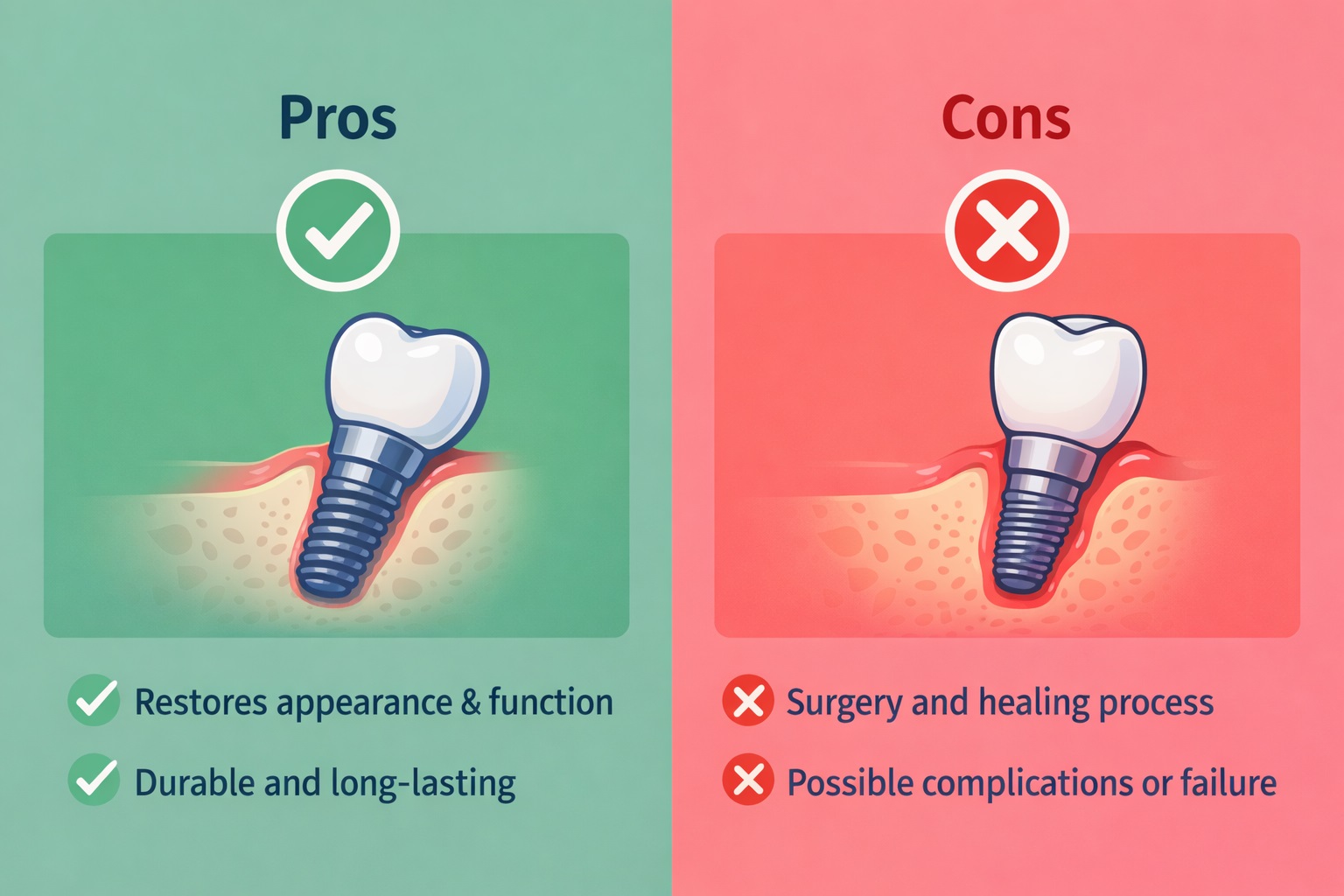
Tooth implants have some real advantages that many people find appealing. For starters, they look and feel just like natural teeth, which means you can smile confidently without worrying about how it might look. They’re also sturdy, and with proper care, they can last a lifetime. That’s a pretty big deal compared to dentures that might need regular replacement.
Another perk is that tooth implants help maintain your jawbone. When a tooth is lost, the jawbone underneath often starts to deteriorate because it doesn’t have anything to support. Implants help keep the bone strong and healthy, which can save you from more complex dental issues down the line. Plus, unlike dentures, they don’t slip or shift, so you can enjoy your favorite foods without a second thought.
- Natural appearance and comfort
- Durable and long-lasting solution
- Helps prevent bone loss
- Stays securely in place, no slipping
Disadvantages of Tooth Implants
Tooth implants might seem like a miracle solution for missing teeth, but they’re not without their downsides. For one, the procedure can be quite invasive, requiring surgery, which understandably puts a lot of people on edge. It’s not just a quick visit to the dentist; you’re looking at multiple appointments, and you’ll need some time to heal. If you’re someone who isn’t fond of needles or surgery, this could be a major deterrent.
Another thing to consider is the cost. Tooth implants can be pretty pricey, sometimes running into thousands of dollars. Depending on your insurance, you might end up footing a hefty bill out of pocket. That’s a lot to think about if you’re on a tight budget. Plus, there’s no guarantee that the implant will integrate properly with your jawbone—some folks end up needing a bone graft beforehand, adding even more to the expense and time needed for the procedure.
- Potential for complications during surgery.
- Time-consuming recovery process.
- Not all patients are suitable candidates.
- Risk of infection around the implant site.
Cost Comparison: Tooth Implants vs. Other Options
When it comes to replacing a missing tooth, dental implants often come up as a popular choice. But let’s be real; the cost can feel a bit daunting. A tooth implant can range from a few thousand dollars to over ten thousand for the complete procedure, which involves the implant, abutment, and crown. This might sound steep compared to alternatives like dentures or bridges, which can sometimes be a fraction of the price.
However, it’s essential to consider the long-term costs. Dentures may seem budget-friendly upfront, but they can require frequent adjustments and replacements. Bridges, while cheaper initially, might need more dental work down the line, especially if the adjacent teeth suffer wear and tear. In the end, investing in an implant could save you money on repairs and hassles.
- Tooth implants: $3,000 – $4,500 per tooth.
- Bridges: $1,500 – $3,000, but this usually covers multiple teeth.
- Dentures: $1,000 – $3,500 depending on whether they’re full or partial.
So, while the price tag of a tooth implant might raise some eyebrows, consider it a long-term investment in your oral health and comfort—a decision that might save you from future dental drama.
Factors Influencing Tooth Implant Success
When it comes to tooth implants, a few key factors can really make a difference in how well they work for you. First off, your overall health plays a big role. If you have conditions like diabetes or heart disease, it might affect how your body heals after the surgery. So, it’s worth having a chat with your dentist about any health issues you have.
Another important factor is the quality of your jawbone. If there isn’t enough bone to support the implant, you might need a bone graft, which can add more time and complexity to the process. And let’s not forget about your oral hygiene habits. Keeping your mouth clean isn’t just a good practice—it’s crucial for the success of the implant. Neglecting it can lead to infections that jeopardize everything you’ve gone through to get that new tooth.
- Your health status—chronic conditions can complicate things.
- Bone density—enough healthy bone is essential.
- Oral hygiene—post-surgery care can’t be overlooked.
Common Mistakes to Avoid with Tooth Implants
When it comes to tooth implants, a few common missteps can really trip people up. One of the biggest is thinking all dental offices offer the same level of expertise. Not all implant specialists are created equal. It’s crucial to do your homework and choose a provider with solid credentials and experience.
Another mistake is underestimating the importance of aftercare. Some folks might think that once the procedure is done, they can just go back to their regular routine without any changes. In reality, you’ll need to keep a keen eye on your oral hygiene and attend regular check-ups. Neglecting this can lead to complications down the line.
- Jumping into the process without asking enough questions.
- Choosing cost over quality when it comes to the procedure.
- Ignoring post-operative care instructions.
Care Tips for Your New Tooth Implant
Once you’ve got your new tooth implant in place, taking care of it is key to ensuring it lasts. You’ll want to treat it like you would a real tooth—brushing, flossing, and regular dental check-ups will help keep everything in tip-top shape. Make it a habit to gently brush the area around the implant, as food particles can get stuck and lead to unwanted issues.
Listening to your dentist’s advice about aftercare is crucial. They might suggest rinsing with saltwater for the first few days to keep the area clean and reduce any swelling. Also, don’t forget to keep an eye on your diet; avoiding hard or crunchy foods for a while can save you from unnecessary discomfort.
- Be gentle when brushing around the implant.
- Use a soft-bristled toothbrush to avoid irritation.
- Keep up with routine dental visits for professional cleanings.
Frequently Asked Questions about Tooth Implants
When considering tooth implants, it’s natural to have quite a few questions buzzing in your mind. For starters, one common concern is about the pain level during the procedure. Many folks are surprised to find that, thanks to local anesthesia, the surgery itself is usually more uncomfortable than painful. Afterward, though, some soreness is pretty normal, akin to how you might feel after a dental filling.
Another frequent question revolves around the recovery timeline. Generally, you’re looking at a few months for the implant to fully integrate with the bone, but that’s not to say you’re stuck eating soup in the meantime. Many people get a temporary crown relatively quick, allowing for a more normal diet while healing.
- How long do implants last? With proper care, you’re looking at a decade or more. They truly can be a lasting solution.
- Is it hard to maintain? Not at all! Just brush and floss like you normally would, plus regular check-ups with your dentist.
Long-term Benefits of Choosing Tooth Implants
Choosing tooth implants can bring several long-term benefits that go beyond just aesthetics. One of the biggest perks is how they can help maintain bone density. After losing a tooth, your jawbone can start to deteriorate since it no longer has the stimulation it needs. Implants act like natural tooth roots, stimulating the bone and helping maintain its structure.
Another advantage is their durability. Unlike dentures, which might need regular adjustments or replacements, tooth implants can last a lifetime with proper care. Many people appreciate the stability they offer, allowing them to enjoy their favorite foods without worry. Plus, they don’t require special cleaning routines like dentures do—just your regular brushing and flossing will usually suffice. However, it’s crucial to attend dental check-ups to ensure everything remains in good shape.