
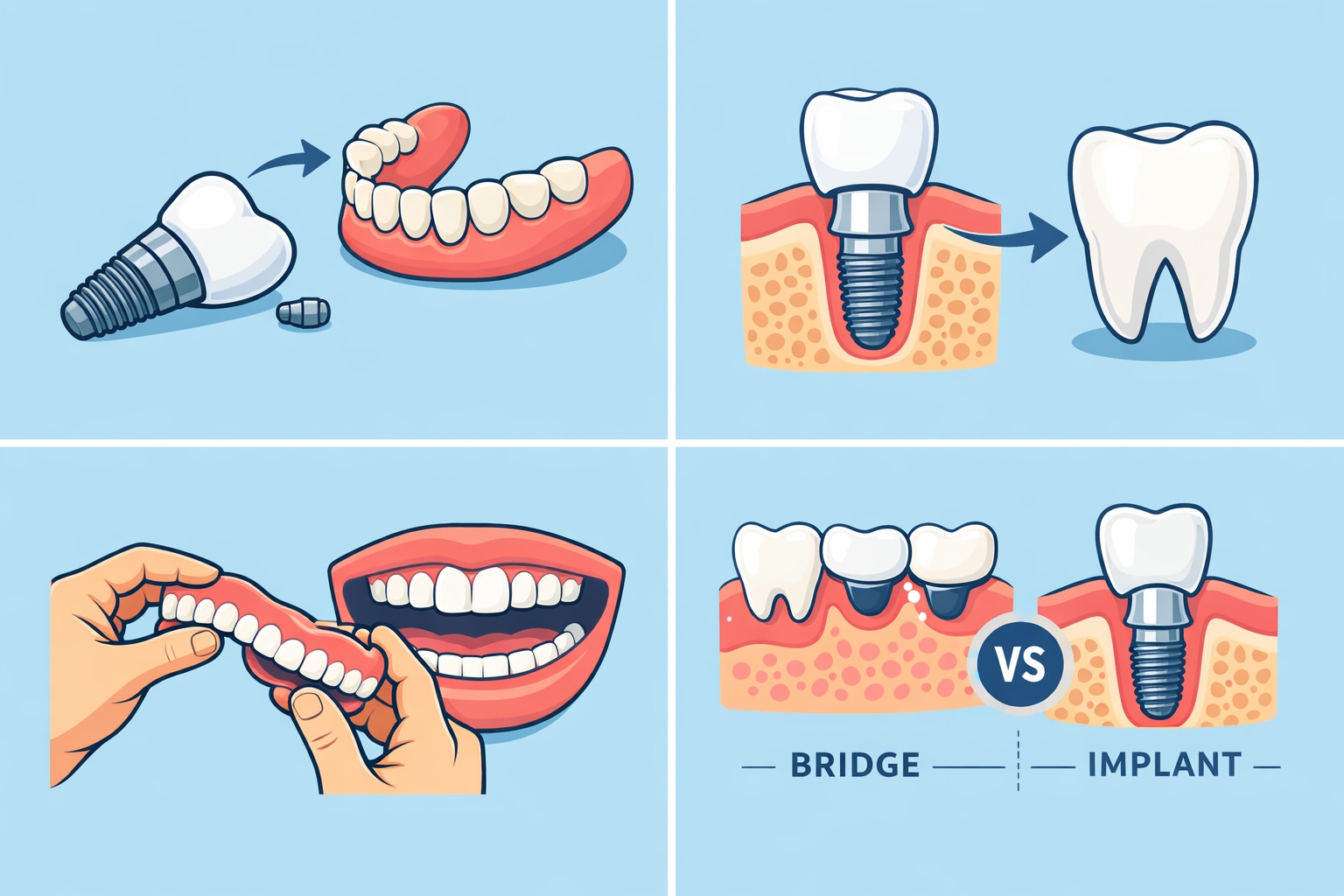
When you hear the term “fake teeth,” it typically refers to dental prosthetics used to replace missing teeth. There’s a variety of options out there, each designed to meet specific needs. Here’s a quick rundown of the main types.
First up are dentures. These removable appliances can replace a full set or just a few missing teeth. They’re often made of acrylic resin, making them lightweight. It’s common to see older adults opting for them since they can be an affordable solution.
Then, we have dental bridges. These are anchored to the surrounding teeth and can fill in the gaps left by one or more missing teeth. A bridge is a bit more stable than dentures, and since it’s fixed, you don’t have to worry about taking it out at night.
- Implants: These are surgically placed in the jawbone and act like natural tooth roots. Once they’re fully integrated, they provide a sturdy base for crowns.
- Crowns: While not considered “fake teeth” in the same way, crowns are often used over damaged teeth or implants, offering a natural-looking finish.
Each option comes with its own set of pros and cons, so it’s worth chatting with your dentist about what’s best for your situation. You want something that feels right and fits your lifestyle; after all, you’ll be using these every day!
The Cost of Fake Teeth: What to Expect
When it comes to fake teeth, the cost can vary quite a bit based on what you need. For instance, a single dental implant can set you back anywhere from a few thousand to over six thousand dollars. If you’re looking at dentures, you might find a basic pair starting around a thousand, but custom options can easily jump into the several thousands.
Keep in mind, these aren’t just random prices; the type of fake teeth you choose and the complexity of your situation will really influence the final bill. If you’re considering bridges, they can range from about $500 to $1,500 for each tooth. This isn’t just cash—it’s worth thinking about the long-term care and replacement costs, too.
- Dental implants: $3,000 – $6,000 each.
- Full dentures: $1,000 – $4,000.
- Partial dentures: $500 – $3,000.
- Bridges: $500 – $1,500 per tooth.
Factors to Consider When Choosing Fake Teeth
Choosing fake teeth, or dentures as they’re often called, can feel a bit overwhelming. There are several factors to keep in mind that can help you make a decision that feels right for your lifestyle and needs. One of the first things to consider is the type of denture—partial or full. If you still have some natural teeth, a partial denture might be the way to go. It fills in the gaps and can blend well with what you’ve got left.
Another important thing is the material. Acrylic is common and budget-friendly, but it may not be as durable as porcelain, which can look more natural and withstand wear better. Think about how much time you’ll spend wearing them. If you’re often in social situations, comfort and appearance should take center stage. You don’t want to be worrying about a loose denture while trying to enjoy dinner with friends!
- Fit: Make sure to prioritize a good fit; you don’t want them slipping around.
- Maintenance: Consider how easy they are to clean. Some materials need more care than others.
Common Mistakes When Getting Fake Teeth
Getting fake teeth—often referred to as dentures, implants, or bridges—can be a bit overwhelming. Many people make assumptions or skip essential steps that can lead to disappointment. One common mistake is not thoroughly researching what’s best for their situation. It’s easy to think, “All I need is something to fill the gap,” but there’s more to consider.
Another frequent error is underestimating the importance of choosing the right dental professional. Not all dentists specialize in restorative work, and you’ll want someone with experience to ensure the best fit and comfort. A good practitioner will take the time to understand your specific needs and lifestyle.
- Skipping follow-up appointments can also be a pitfall; adjustments might be needed for optimal comfort.
- And don’t forget about maintenance! People often neglect caring for their fake teeth just because they’re not natural. They still need attention to remain in good condition.
Benefits of Using Fake Teeth
Fake teeth, often known as dentures or dental prosthetics, can really change the game for those dealing with tooth loss. They not only restore the ability to chew and enjoy food but also help maintain facial structure—something that can shift if teeth are missing. You might not realize how much your smile affects your confidence until you have a set of nice, fake teeth that fill in those gaps.
They also come with practical benefits. For example, if you’re someone who has been embarrassed by missing teeth, getting a set can relieve that pressure. Plus, modern fake teeth are designed to look and feel quite natural. Materials have come a long way, making it easier to find a match that suits your smile.
- Improved ability to eat a variety of foods
- Enhanced appearance, boosting self-esteem
- Support for surrounding teeth and jaw
How to Care for Fake Teeth
Start with gentle brushing. Use a soft-bristle brush and a cleaner that’s specifically made for your type of fake teeth. Regular toothpaste can be too abrasive and might scratch the surface. Make it a habit to brush your fake teeth after meals, just like you would your natural ones.
- Rinse them with water after eating to remove any food debris.
- Be cautious with adhesives; using too much can make it tough to clean properly.
- Soak your dentures in a cleaning solution overnight to keep them fresh.
And don’t forget regular check-ups with your dentist! Even if you’ve got fake teeth, they can spot issues long before you notice them.
Frequently Asked Questions About Fake Teeth
If you’re wondering what fake teeth are called, the term commonly used is “dentures.” They can come in full or partial sets, depending on how many teeth are missing. Some people also refer to them as false teeth. You’ll often hear folks talk about getting “implants,” which are a different thing altogether—basically artificial roots that hold crowns in place.
A lot of people have questions about how they fit or if they’ll feel weird at first. It’s not uncommon to experience some discomfort when you first start wearing dentures. They can take a little time to get used to, so don’t be discouraged if it feels off for a few days. Also, keeping everything clean is super important—food particles can easily get stuck, which might lead to bad smells.
- Should I take them out at night? Yes, most professionals suggest taking them out to let your gums breathe.
- How long do they last? With proper care, dentures can last several years, but they might need adjustments or replacements over time.
Myths About Fake Teeth Explained
There are plenty of misconceptions swirling around fake teeth, and it’s time to set the record straight. One common belief is that all fake teeth are uncomfortable or look unnatural. Sure, older dentures had that reputation, but modern technology has come a long way. Many people wear prosthetics that blend in so well you’d hardly notice they weren’t real.
Another myth is that wearing fake teeth means you can’t eat anything you like. While it’s true that some precautions are necessary at first, most people can enjoy their favorite foods again after getting used to their new teeth. It’s all about learning how to bite and chew again. And let’s not forget about the fact that some fake teeth are actually designed for better chewing efficiency!
- They aren’t all dentures; implants are often more permanent and functional.
- You don’t need to be elderly to get them; many young adults acquire them due to accidents or dental issues.
Choosing the Right Dentist for Fake Teeth
When it comes to getting fake teeth, or dentures, finding the right dentist can make all the difference. You want someone who not only understands the intricacies of dental work but also makes you feel comfortable throughout the process. It’s surprising how often people go for the first name they find, but taking time to research can save you a lot of headache later on.
First off, think about your needs. Are you looking for full dentures, partial ones, or maybe implants? Each type comes with its own quirks and requires a dentist with the right expertise. You might want to ask your friends or family for recommendations; nothing beats firsthand experience. If you prefer online research, checking reviews can give you an idea of how others have fared.
- Look for dentists who specialize in prosthodontics; they focus specifically on artificial teeth.
- Check if they offer a range of options, like custom-made dentures.
- Consider how the dentist communicates. A good one will take the time to explain procedures and answer your questions without rushing.
Finally, don’t be afraid to schedule a consultation. This can be a great way to gauge the dentist’s vibe and their office atmosphere. You want to feel relaxed in that chair, especially when you’re discussing something as personal as your smile.