

Can A Dental Implant Infection Be Seen On An X-Ray? Yes, dental implant infections can often be detected through X-ray imaging, which reveals bone loss and other signs indicative of infection. This is crucial for timely diagnosis and treatment.
For instance, if a patient experiences pain or swelling around an implant, an X-ray can help identify underlying issues. Early detection through imaging can prevent more serious complications and ensure a better outcome.
Dental implant infections can be a serious concern for anyone who has undergone the procedure. If you’re feeling discomfort or noticing unusual symptoms, it’s essential to understand what’s happening.
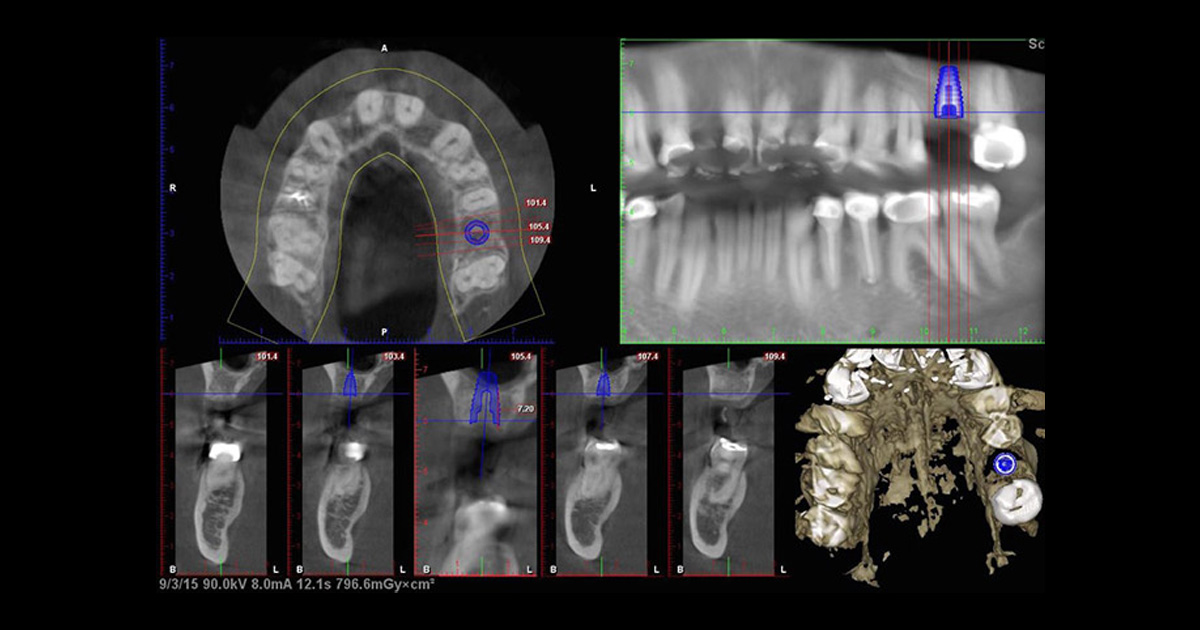
Understanding Dental Implant Infections
A dental implant infection occurs when bacteria invade the area around the implant, leading to inflammation and potential complications. This condition can affect the implant’s stability and your overall oral health.
Common causes of dental implant infections include poor oral hygiene, pre-existing gum disease, and complications during the procedure itself. If the implant site isn’t kept clean or if you have health issues that impair healing, you may be more susceptible to infections.
Symptoms to watch for include swelling, redness, and pain around the implant site. You might also notice pus or a bad taste in your mouth. In some cases, you could even experience fever or general malaise, indicating a more severe infection.
Real-World Example
Imagine you’ve just had a dental implant placed. A few weeks later, you start feeling sharp pain and notice some swelling. You might think it’s just normal healing, but if the pain intensifies and you see pus, that’s a sign to contact your dentist.
If you suspect an infection, visiting your dentist promptly can help prevent complications. Early intervention is key, and they may take X-rays to determine if the infection is visible and how serious it may be. So, can a dental implant infection be seen on an X-ray? Yes, these images can provide valuable insights into the condition of your implant and surrounding bone.
X-rays are vital tools in dental practices, helping dentists diagnose a variety of conditions. They provide a clear view of what’s happening beneath the surface, allowing for better treatment planning.

Role of X-Rays in Dental Diagnosis
In dentistry, X-rays are indispensable for detecting issues that aren’t visible during a standard examination. They can reveal cavities, bone loss, and even the condition of dental implants.
There are several types of dental X-rays your dentist might use. The most common ones include bitewing X-rays, which show the upper and lower teeth in a specific area, and periapical X-rays, focusing on the entire tooth from the crown to the root. Panoramic X-rays provide a broad view of your whole mouth, including teeth, jaw, and surrounding structures.
These images are crucial for diagnosing dental problems. For instance, if you have a dental implant, an X-ray can help determine if there’s any infection present. In this case, you might be wondering, “Can a dental implant infection be seen on an X-ray?” The answer is often yes; X-rays can show changes in the bone around the implant that indicate infection.
However, X-ray imaging does have limitations. While they offer a lot of information, they can’t capture soft tissues or early stages of some infections. Sometimes, additional imaging techniques, like a CT scan, might be necessary for a complete diagnosis.
Consider a scenario where you visit your dentist with discomfort around a dental implant. After a clinical exam, they decide to take an X-ray. The image reveals a dark area around the implant, suggesting potential infection. This insight helps your dentist create a targeted treatment plan.
Remember that communication is key. If you’re ever unsure about the results of your X-rays or what they mean for your dental health, don’t hesitate to ask your dentist for clarification. Understanding your dental health is essential for making informed decisions.
When it comes to dental implants, spotting an infection early can save you a lot of trouble. One of the best tools for this is an X-ray, which can reveal various signs of infection around the implant site.
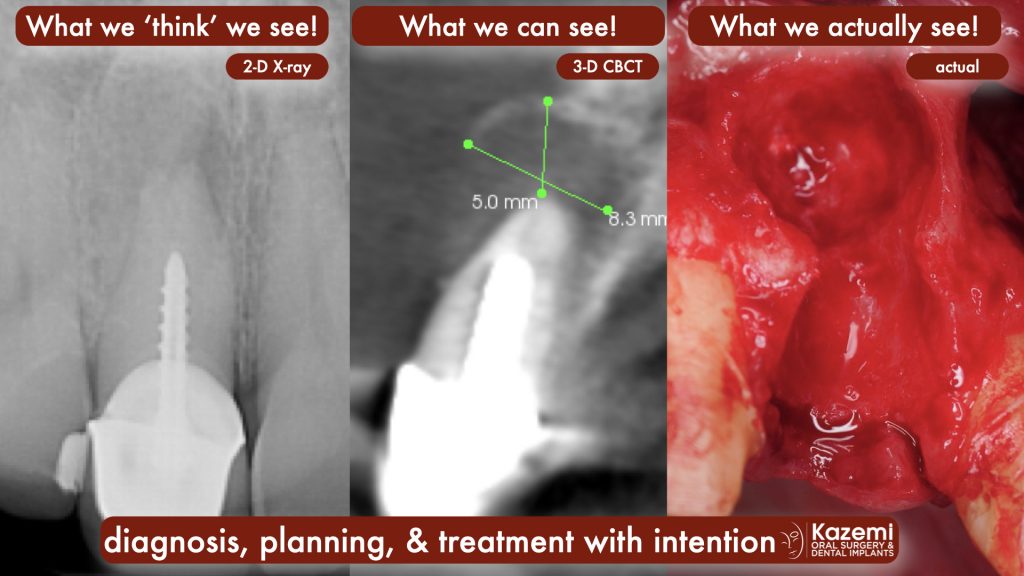
Signs of Infection Visible on X-Rays
X-rays are crucial for identifying potential issues with dental implants. They can show specific signs of infection that might not be visible during a regular examination.
One of the most telling signs of infection is bone loss around the implant. Healthy bone should support your implant securely, but if you notice a reduction in bone density, that could indicate an underlying infection. This can happen gradually, so regular X-rays are essential for tracking any changes over time.
Another red flag is radiolucency around the implant. This appears as dark areas on the X-ray, indicating a lack of healthy bone. If you see this, it often means that the body is reacting to an infection, causing the bone to break down. Radiolucency isn’t something you want to ignore; it’s a clear signal that something’s off.
Other Indicators of Infection
Besides bone loss and radiolucency, there are other signs you might see on an X-ray that suggest an infection. For instance, the presence of fluid accumulation around the implant can be another key indicator. This fluid could indicate that your body is fighting off an infection.
Sometimes, you’ll see a change in the implant’s position or orientation on the X-ray. If an implant is shifting, it could be due to the surrounding bone not supporting it properly, often a result of infection. Additionally, soft tissue changes can be inferred from X-rays, although they’re less visible than bone issues.
Imagine you’ve had a dental implant for a few years, but you’ve been experiencing some discomfort. During your routine check-up, your dentist takes an X-ray and spots radiolucency around the implant. This prompts them to investigate further, leading to timely treatment that prevents more serious issues down the line.
Regular dental check-ups and X-rays are crucial for keeping your implants healthy. If you’re ever unsure about changes you notice, don’t hesitate to ask your dentist. They can help you understand what the X-rays reveal and guide you on next steps.
Diagnosing a dental implant infection can seem daunting, but X-rays play a crucial role in this process. They help visualize issues that may not be obvious during a routine examination.
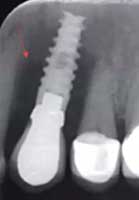
Diagnostic Process for Implant Infections
Understanding the diagnostic process can empower you to take action if you suspect an infection. This usually begins with an initial assessment, followed by a detailed X-ray examination.
Initially, your dentist will assess any symptoms you may be experiencing. Common signs of an infection include pain, swelling, and pus around the implant. If you’re feeling discomfort or notice changes in your gums, it’s essential to communicate this with your dentist right away.
Once symptoms are reported, the next step is typically an X-ray examination. Your dentist will take specific images to look for any signs of infection, such as bone loss around the implant or unusual changes in the surrounding tissues. This leads to the big question: Can a dental implant infection be seen on an X-ray? The answer is yes, as X-rays can reveal these critical details.
After the X-ray analysis, your dentist will discuss the findings with you. If an infection is confirmed, they will outline the appropriate follow-up procedures, which may include further imaging or tests. In some cases, you might need a CT scan for a more detailed view.
Let’s say you’ve been feeling pain around your implant for a while. After the initial assessment and X-ray, your dentist discovers signs of infection. They might prescribe antibiotics or suggest a minor surgical procedure to clean the area and eliminate the infection. This tailored approach ensures you’re on the right path to recovery.
Keep in mind that early detection can make a huge difference in your treatment outcome. If you notice any unusual changes or discomfort, don’t hesitate to reach out to your dental professional. It’s better to be safe than sorry!
Dealing with a dental implant infection can be daunting, but understanding your treatment options can make the process smoother. Once an infection is diagnosed, there are several approaches your dentist might recommend to get things back on track.
Treatment Options for Dental Implant Infections
When an infection occurs around a dental implant, timely intervention is key. Your treatment plan may involve a combination of antibiotics, surgical procedures, and preventative measures to avoid future issues.
Antibiotic treatments are often the first line of defense against infection. Your dentist may prescribe a course of antibiotics to help eliminate the bacteria causing the infection. This can be effective in mild cases where the infection hasn’t spread too far. For example, if you notice some swelling and tenderness around your implant, antibiotics may clear up the infection without the need for more invasive steps.
Surgical options come into play when the infection is more severe or when antibiotics alone aren’t enough. In some cases, a dentist might need to surgically remove the implant to clean the infection thoroughly. This might sound daunting, but sometimes it’s the best way to ensure your long-term oral health. After removing the infected implant, your dentist may recommend waiting for some time before placing a new one, allowing the area to heal properly.
Preventative Measures
Once you’ve dealt with an infection, it’s vital to take steps to prevent future occurrences. Good oral hygiene, including regular brushing and flossing, can help keep bacteria at bay. Additionally, routine dental check-ups allow your dentist to monitor your implants and catch any signs of trouble early.
- Maintain a meticulous oral care routine.
- Attend all scheduled dental appointments.
- Discuss any concerns with your dentist promptly.
Taking proactive steps can significantly reduce the chances of another infection. If you’re ever in doubt about your dental health, don’t hesitate to reach out to your dentist for advice and support. Remember, catching issues early can save you a lot of hassle down the road.
Dental implant infections can be serious, so knowing when to seek help is key. If you notice any unusual symptoms, don’t hesitate to reach out to your dental professional.
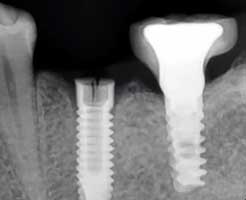
When to Consult a Dental Professional
Recognizing the signs of a potential dental implant infection is crucial for your oral health. Some symptoms require immediate attention, while others might signal the need for a regular check-up.
First off, if you experience swelling, persistent pain, or a bad taste in your mouth, these could be red flags. For instance, if you find yourself waking up with discomfort around your implant site that doesn’t go away with over-the-counter pain relievers, it’s time to consult your dentist. Ignoring these signs can lead to more serious complications.
Regular check-ups play a significant role in your dental health. Even if everything feels fine, these visits help catch any potential issues before they escalate. Your dentist can spot early signs of infection on X-rays, ensuring you stay on top of your oral care.
You also have a crucial part to play in monitoring your dental health. Pay attention to any changes, no matter how small. If you’re unsure about a symptom, trust your instincts. It’s better to ask than to risk complications later.
Signs That Warrant Immediate Attention
- Severe or increasing pain around the implant
- Swelling that persists or worsens
- Foul taste or smell in your mouth
Don’t forget, your role in maintaining dental health is proactive. Regular brushing and flossing, along with being vigilant about any changes, can help you catch issues early. If you ever wonder, “Can a dental implant infection be seen on an X-ray?” the answer is yes, but early detection is key.
If you’re ever in doubt or notice something unusual, don’t hesitate to reach out to your dental professional. Your oral health is worth the attention!