

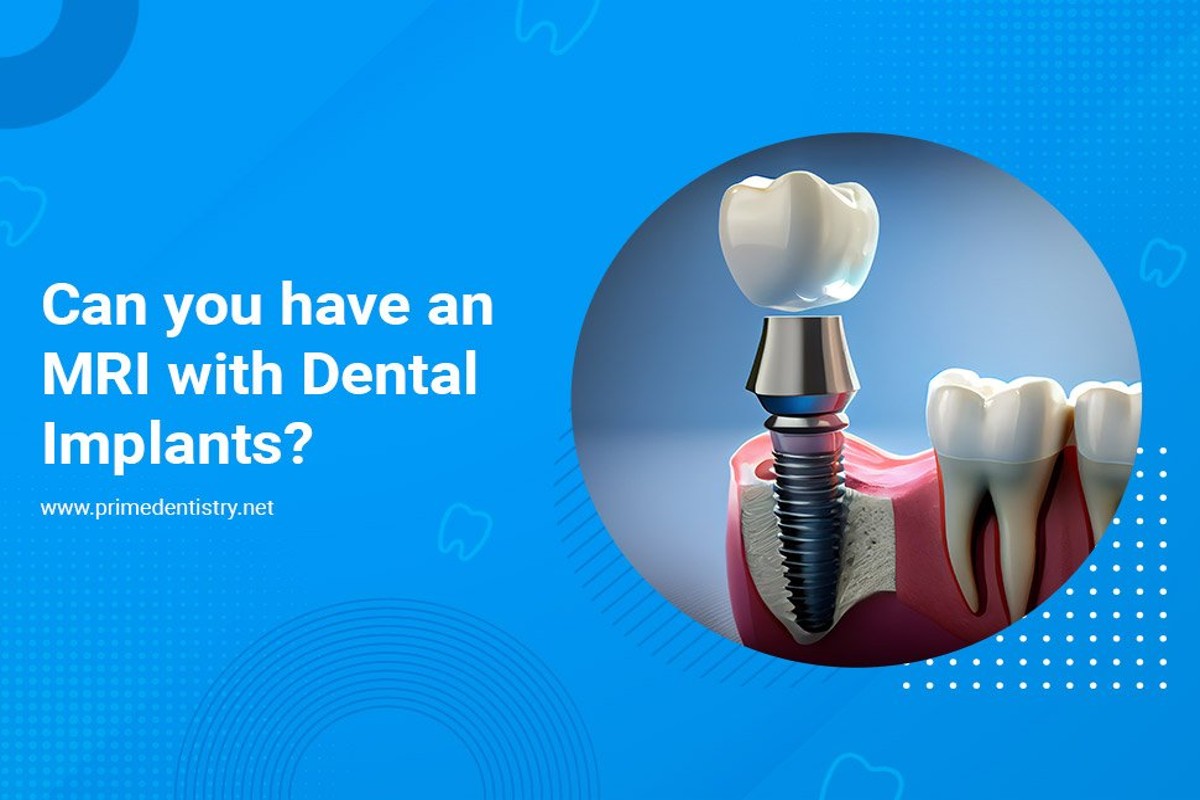
Can you have MRI with dental implants? Yes, most dental implants are MRI-safe, but there are specific factors to consider. Understanding these factors is crucial for patients needing an MRI after getting implants.
For instance, if your implants contain metal components, it’s important to consult your dentist or doctor beforehand. They can help determine if there are any risks or special precautions needed during the MRI procedure.
If you’re considering dental implants, you might be curious about what they actually are. These implants are a popular solution for missing teeth, providing a strong foundation for artificial teeth.

Understanding Dental Implants
Dental implants are titanium posts surgically placed into your jawbone. They act as artificial roots for replacement teeth, offering a durable and natural-looking solution.
The most common material used for dental implants is titanium, known for its strength and biocompatibility. This means your body is less likely to reject it. Some implants also use zirconia, a ceramic material, which can be a great option for those allergic to metals.
So, how are these implants placed? First, your dentist will assess your jawbone and overall oral health. If you’re a good candidate, the procedure starts with the surgical placement of the titanium post into the bone. After a healing period, the implant fuses with the bone, providing a solid base for the crown that will eventually be attached.
Imagine this: You’ve lost a tooth due to an accident. After a thorough evaluation, your dentist suggests a dental implant. You go through the placement procedure, and after a few months, you have a strong, permanent tooth that looks and feels like your natural ones. It can really change your smile and boost your confidence!
When considering dental implants, it’s also good to know how they interact with procedures like MRI scans. Many people wonder, “Can you have MRI with dental implants?” The answer is generally yes, but it’s always best to discuss this with your dentist and radiologist.
Ultimately, understanding dental implants can help you make informed decisions about your oral health. They can provide a reliable, long-term solution to tooth loss, giving you back your smile.
MRI technology is a powerful tool in modern medicine, allowing doctors to see detailed images of the inside of your body. If you’re wondering, “Can You Have MRI With Dental Implants,” understanding how MRI works can help ease your mind.
MRI Technology Overview
Magnetic Resonance Imaging (MRI) is a non-invasive imaging technique that uses strong magnets and radio waves to create detailed images of organs and tissues. It’s commonly used to diagnose various medical conditions without exposing patients to radiation.
The way MRI works is pretty fascinating. When you lie inside the MRI machine, the strong magnetic field temporarily aligns the protons in your body. Then, radio waves are sent through, causing these protons to emit signals. These signals are captured and transformed into images by a computer, giving doctors a clear view of what’s happening inside you.
People often get MRI scans for a variety of reasons. Some common uses include:
- Detecting tumors or abnormalities
- Evaluating joint injuries or degenerative diseases
- Assessing brain and spinal cord conditions
For example, if you’ve recently experienced unexplained headaches, your doctor might recommend an MRI of your brain to rule out any serious issues. This can help you get the right treatment quickly.
If you’re concerned about getting an MRI with dental implants, don’t hesitate to discuss this with your healthcare provider. They can provide specific guidance based on the type of implants you have and the MRI technology being used.
Getting an MRI when you have dental implants can seem concerning, but understanding the safety of metal implants in MRI machines is essential. The interaction between the magnetic field and the materials used in your dental work can vary, so let’s break it down.

Safety of MRI with Metal Implants
While most dental implants are safe during an MRI, the type of metal used in your implants plays a crucial role. Most modern implants are made from non-ferromagnetic materials, which are generally considered safe for MRI scans.
Dental implants often use titanium or zirconia. Titanium is widely favored for its strength and biocompatibility, while zirconia is becoming more popular due to its aesthetics. Both materials have low magnetic susceptibility, meaning they won’t be affected significantly by the MRI’s magnetic field.
However, some older implants might contain ferromagnetic metals, which could pose risks. These metals can heat up and even move in the presence of a strong magnetic field, potentially causing harm. Always check with your dentist or oral surgeon to understand the specific materials used in your implants.
Magnetic Field Interactions
The magnetic field of an MRI can interact differently with various metals. Non-ferromagnetic metals, like titanium, typically won’t cause issues during the scan. In contrast, ferromagnetic metals might lead to complications, such as discomfort or even injury.
For instance, if you have an older dental implant with ferromagnetic components, your healthcare provider might recommend alternative imaging methods. They might suggest a CT scan instead, which doesn’t use magnetic fields.
FDA Guidelines on Metal Implants
The FDA has established guidelines for medical devices, including dental implants. These guidelines classify dental implants based on their materials and safety for MRI procedures. Generally, most titanium implants are deemed MRI-safe.
Before your MRI, inform your technician about your dental implants. They can take the necessary precautions and ensure your safety during the scan. Knowing the specifics about your dental work can help ease any worries.
Don’t hesitate to ask your dentist about the materials used in your implants if you’re unsure. Understanding what’s in your mouth can help when asking the question, “Can You Have MRI With Dental Implants?” Remember, your healthcare team is there to keep you safe and informed.
Getting an MRI can be a bit nerve-wracking, especially if you have dental implants. You might be wondering, “Can you have MRI with dental implants?” Before you proceed, there are some important considerations to keep in mind.
Considerations Before an MRI
Before scheduling your MRI, it’s crucial to think through a few key points. Each of these can help ensure your safety and the effectiveness of the procedure.
First, consulting with your dentist is a must. They can provide insights specific to your dental implants and help you understand any potential risks involved with the MRI process. This step is especially important if you have metal implants, as some materials can react to magnetic fields.
Next, don’t forget to inform the MRI technician about your dental implants. They need to know the materials used in your implants, as this can influence the MRI’s settings and the images produced. Being open and honest about your dental work ensures that the technician can take the right precautions.
There are some possible risks and precautions to consider as well. While most dental implants are made from non-ferromagnetic materials that are generally safe for MRIs, there’s still a chance of discomfort or interference with the imaging. For example, if your implant contains certain metals, it might heat up during the scan. This could lead to a feeling of heat or discomfort.
Always ask your dentist if your specific implants are MRI-safe. They can clarify what materials were used and if there are any unique considerations for your situation.
When you arrive for your MRI, it’s a good idea to wear loose, comfortable clothing without any metal fasteners. This way, you can avoid any additional issues during the procedure. Also, consider bringing a list of your dental implants and any other medical devices you might have. This can help the technician quickly assess any risks.
Remember, being proactive about your dental health and communication will make the MRI process smoother and safer. If you’re ever in doubt, don’t hesitate to ask questions. Your health is worth it!
If you’ve got dental implants and need imaging, you might be wondering about your options. MRI scans can pose challenges due to metal in your mouth, but don’t worry—there are alternatives that can provide the information your dentist needs.
Alternatives to MRI for Dental Implant Patients
Fortunately, several imaging methods can be used for patients with dental implants. Each has its unique advantages, making it easier to get a clear picture of your dental health without the risks associated with an MRI.
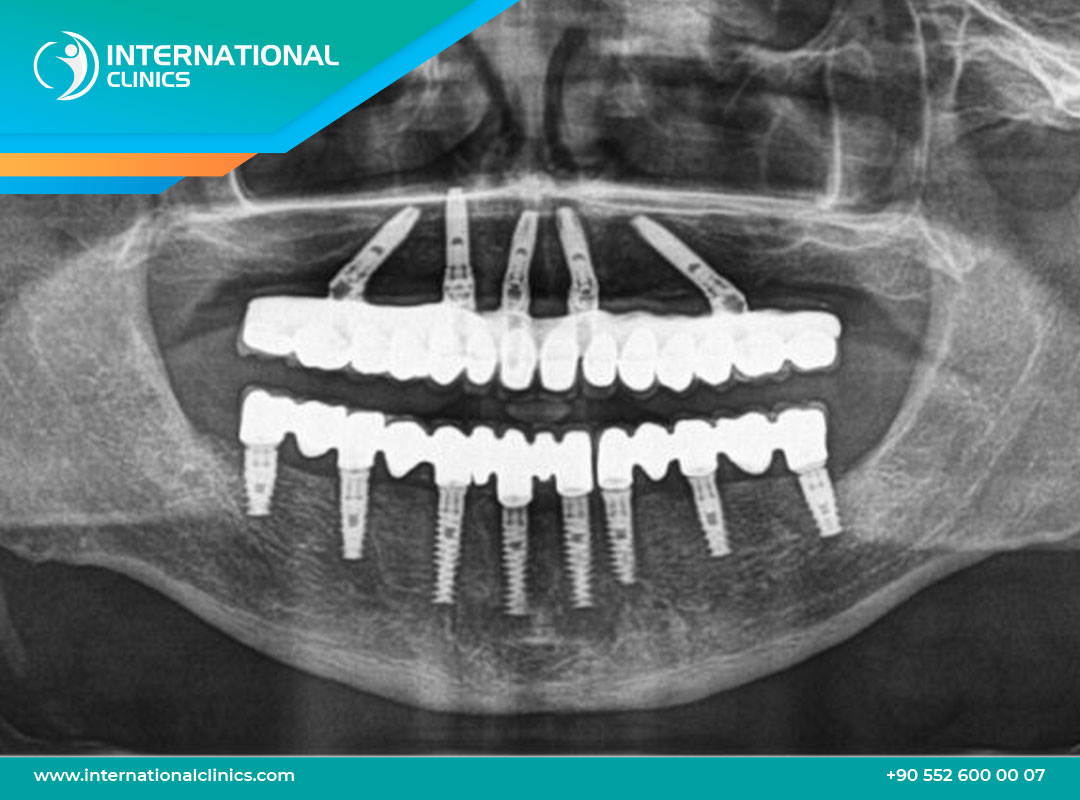
One of the most common alternatives is a CT scan. This method uses X-ray technology to create detailed, cross-sectional images of your mouth and jaw. It’s especially useful for assessing the bone structure around your implants. The high-resolution images can help your dentist see any potential issues that might not show up on a standard X-ray.
X-rays are another effective option. They’re quick, widely available, and give a good overview of your dental health. A regular dental X-ray can help your dentist check the alignment of your implants and ensure everything is healing properly. If you’re just checking on the status of your implants, X-rays might be all you need.
Ultrasound imaging is also gaining traction in dental diagnostics. This method uses sound waves to create images of the soft tissues and structures in your mouth. It’s non-invasive and doesn’t involve radiation, making it a safe choice for many patients. While not as commonly used as CT scans or X-rays, it can still be beneficial in specific situations.
Imagine you’re visiting your dentist for a routine check-up. Your dentist notices something unusual around your dental implant. Instead of opting for an MRI, they decide to use a CT scan to get a better look. This way, they can address any concerns promptly and keep your smile healthy.
When considering imaging options, always discuss with your dentist what’s best for your situation. They can guide you on whether a CT scan, X-ray, or ultrasound imaging is the right fit for your needs. If you’re ever unsure about “Can You Have MRI With Dental Implants,” don’t hesitate to ask your healthcare provider for clarity on what options are available.
Getting an MRI with dental implants might feel daunting, but many patients have navigated this journey successfully. Their experiences can shed light on what you might expect.
Real Patient Experiences and Testimonials
Patients with dental implants who underwent MRI scans often share valuable insights. Their stories reveal a mix of positive outcomes, challenges faced, and practical advice that can help you make informed decisions.
One patient, Sarah, had a dental implant for a missing molar. When she needed an MRI for a knee injury, she was initially worried. But after discussing her concerns with her doctor, she learned that her titanium implant wouldn’t interfere with the scan. The MRI went smoothly, and she felt relieved afterward.
However, not every experience is without challenges. Some patients report discomfort or anxiety during the MRI process. For instance, John, who had multiple implants, experienced some noise sensitivity in the machine. He advised others to bring headphones or ask for earplugs to make the experience more comfortable.
Patients also emphasize the importance of communication. Many recommend informing your healthcare provider about your implants before scheduling the MRI. This way, they can take necessary precautions or even suggest alternative imaging methods if needed. It’s all about being proactive.
Another common theme in patient testimonials is the reassurance they received from their dental professionals. Many found comfort in knowing that their dentists had collaborated with the radiologists to ensure the MRI would be safe. If you’re wondering, “Can you have MRI with dental implants?”—the answer often lies in the specifics of your implants and the type of MRI you need.
In general, patients suggest keeping a list of your implants and their materials handy. This can help you provide accurate information to your medical team. You might also want to consult with both your dentist and the facility where you’ll get the MRI, just to be safe.
Ultimately, your experience can vary. But with the right preparation and communication, many patients find that getting an MRI with dental implants isn’t as scary as it seems. Your health and peace of mind are worth the effort.