

Can I get dental implants with periodontal disease? Yes, but careful evaluation and treatment of the periodontal condition are crucial before proceeding. This ensures the health of your gums and the success of the implants.
Many people with periodontal disease may still be candidates for dental implants. However, they need to address their gum health first to avoid complications and ensure long-lasting results.
Periodontal disease, often referred to as gum disease, is a serious condition that affects your gums and the structures supporting your teeth. If left untreated, it can lead to tooth loss and other health issues. Understanding this disease is crucial, especially if you’re considering dental implants.
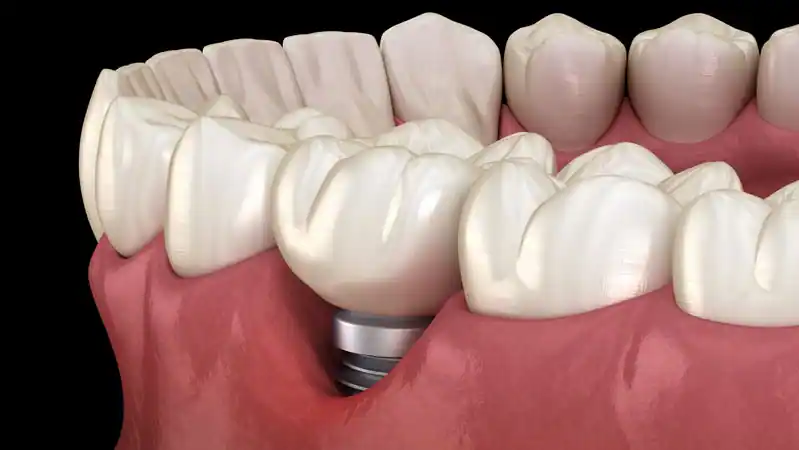
Understanding Periodontal Disease
Periodontal disease starts with inflammation of the gums and can progress to more severe forms that affect the bone supporting your teeth. Knowing the stages of this disease can help you recognize symptoms early and seek treatment.
At its core, periodontal disease starts as gingivitis, the mildest form. This stage is usually marked by redness, swelling, and bleeding of the gums. If you notice that your gums bleed when you brush, it might be a sign of gingivitis.
If left untreated, gingivitis can advance to periodontitis. In this stage, the inflammation spreads to the bone and supporting tissues. You might experience receding gums or pockets forming between your teeth and gums, which can lead to further complications.
Symptoms and Causes
Common symptoms of periodontal disease include bad breath, loose teeth, and a change in your bite. You might also notice that your teeth feel different, or you may see pus between your gums and teeth. These signs aren’t just annoying; they indicate that your oral health is at risk.
As for the causes, the primary culprit is plaque buildup. This sticky film of bacteria forms on your teeth and can harden into tartar if not removed. Other factors that can contribute include smoking, hormonal changes, and certain medications that reduce saliva flow.
If you’re dealing with periodontal disease and considering dental implants, it’s vital to consult your dentist. They can assess the severity of your condition and guide you on whether you can get dental implants with periodontal disease. Early intervention and proper dental care can make a big difference in your oral health and the success of future dental procedures.
Periodontal disease can significantly impact your dental health, especially if you’re considering dental implants. The condition affects the gums and bone supporting your teeth, which can complicate the implant process.
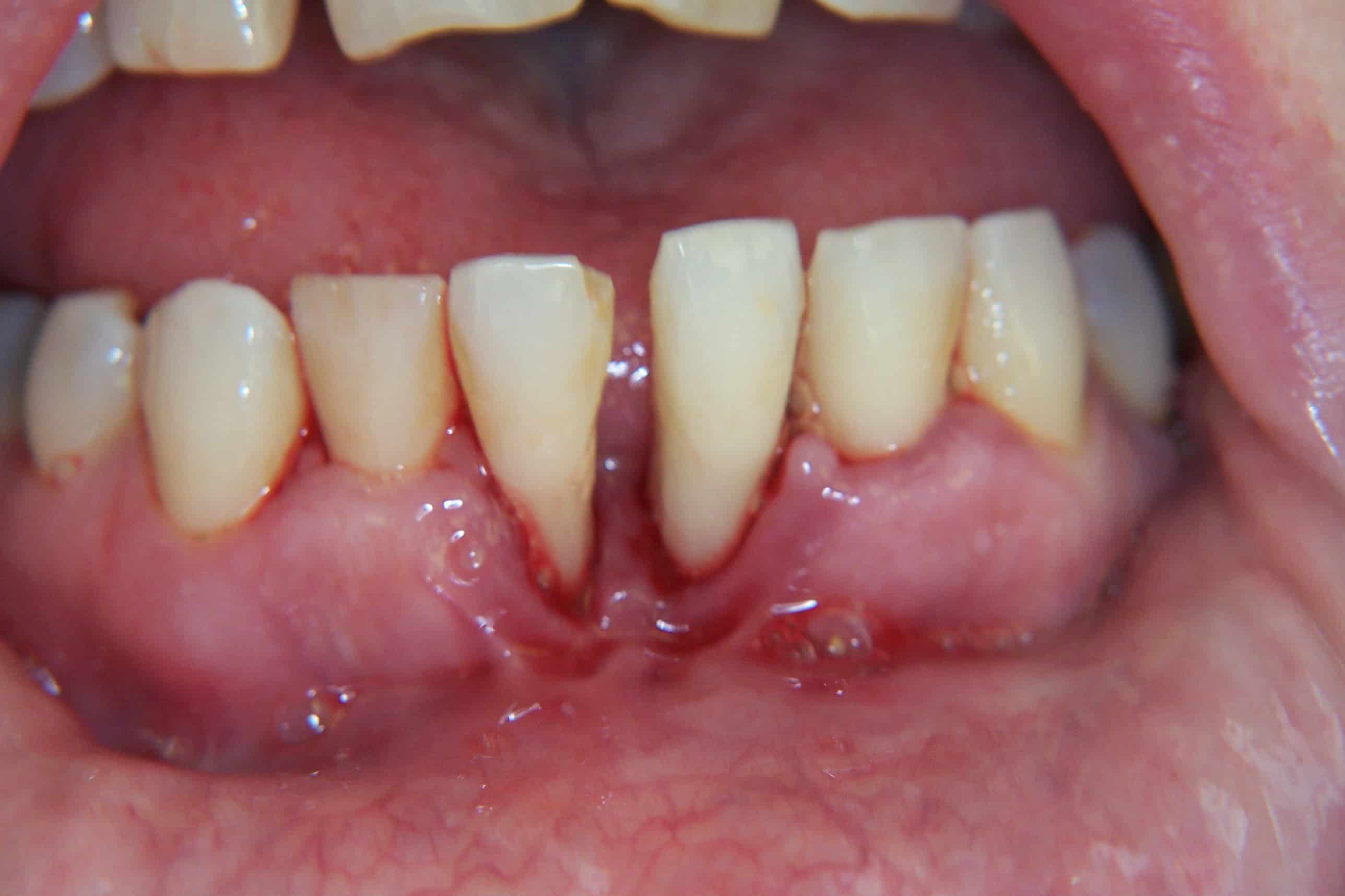
Impact of Periodontal Disease on Dental Implants
Understanding how periodontal disease influences dental implants is crucial. This condition can lead to bone loss, increase infection risks, and affect the healing process, all of which are vital for successful implant placement.
Bone loss is one of the most serious implications of periodontal disease. When the supporting bone deteriorates, there may not be enough structure to securely hold an implant. This can lead to complications during and after the procedure, making it essential to evaluate your bone health thoroughly before considering implants.
Infection risks also rise with periodontal disease. The presence of bacteria around the gums can jeopardize the healing of dental implants. If bacterial infections are present, they can hinder the integration of the implant with the bone, ultimately leading to implant failure.
Lastly, the healing process is affected by periodontal disease. After implants are placed, a healthy healing environment is crucial for success. If your gums are inflamed or infected, this could delay recovery and increase the chance of complications. For instance, if you’re dealing with persistent gum issues, you might experience prolonged discomfort or even require additional treatments before you can proceed with implants.
If you’re asking yourself, “Can I Get Dental Implants With Periodontal Disease?” the answer depends on several factors, including the severity of your condition and the health of your jawbone. Make sure to consult with your dentist to assess your individual situation and explore options for treatment that may include addressing periodontal disease first.
Wondering if you can get dental implants with periodontal disease? You’re not alone. Many people face this question, and the answer isn’t always straightforward.
Evaluating Candidacy for Implants
Your journey to dental implants begins with a thorough evaluation. Factors like your current oral health, medical history, and specific dental examinations play pivotal roles in determining if you’re a good candidate for implants.
First things first, schedule a consultation with a dental professional. They’ll take the time to understand your unique situation. This isn’t just a quick chat; it’s a deep dive into your oral health and overall well-being.
Your medical history matters a lot. Conditions like diabetes or autoimmune diseases can affect healing after implant surgery. If you’ve had periodontal disease, your dentist will want to know how severe it was and how well it’s been managed.
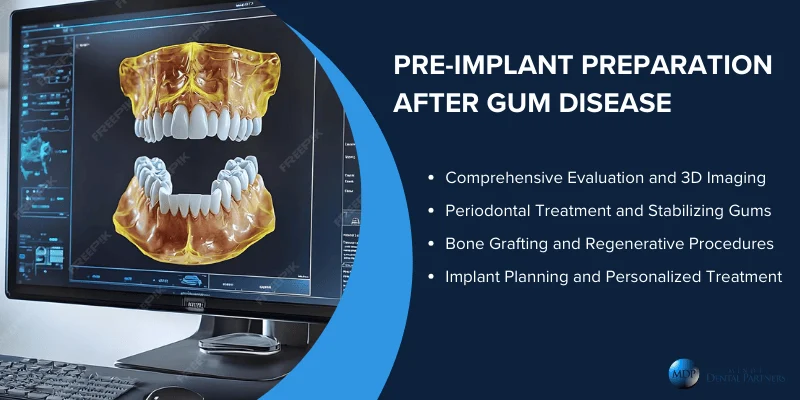
Next, expect a dental examination that’s more than just a quick look in your mouth. Your dentist may take X-rays or even 3D scans to assess the bone density and overall health of your jaw. This helps determine if there’s enough bone to support the implant.
For example, imagine you had gum disease in the past but have since improved your oral hygiene and health. Your dentist will consider these factors seriously. They might even recommend additional treatments to prepare your mouth for implants.
After this evaluation, your dentist will discuss your options. They may suggest periodontal therapy to help stabilize your gum health before considering implants. It’s all about ensuring a successful outcome.
So, if you’re asking yourself, “Can I get dental implants with periodontal disease?” remember that thorough evaluations and professional guidance are key. Taking the right steps now sets you up for a healthier, happier smile in the future.
Before you can consider dental implants, managing periodontal disease is crucial. Effective treatment can help you achieve the gum health needed for successful implant surgery.
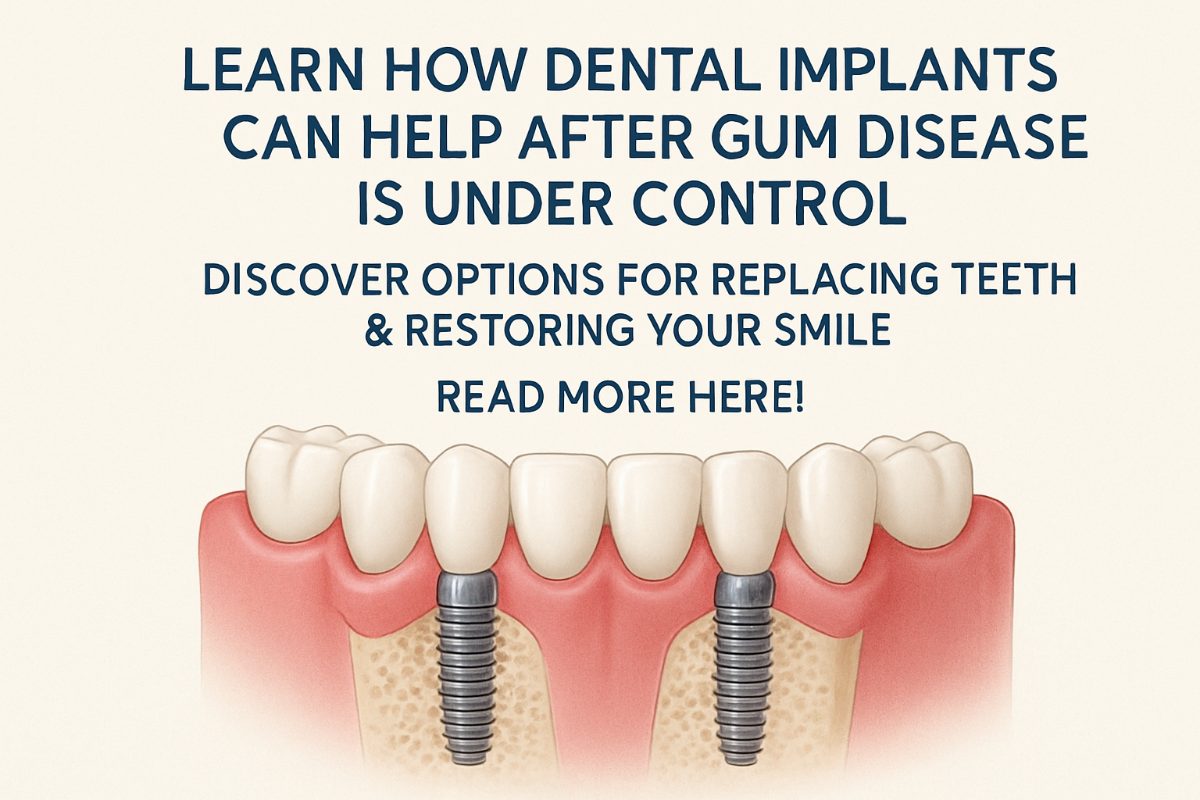
Pre-Treatment Options for Periodontal Disease
There are several effective pre-treatment options to address periodontal disease. Depending on the severity of your condition, your dentist might recommend one or a combination of these methods to ensure your gums are healthy before moving forward with implants.
One of the first steps is scaling and root planing. This deep cleaning procedure removes plaque and tartar from below the gum line, smoothing out the root surfaces. By doing this, it helps your gums reattach to your teeth and reduces inflammation.
Another option is antibiotic therapy. Your dentist may prescribe antibiotics to help control the infection in your gums. This can be done topically or through oral medications, depending on your specific needs and the extent of the disease.
Surgical Options if Needed
If your periodontal disease is more severe, surgical options might be necessary. Procedures like flap surgery or bone grafting can restore gum health and prepare your mouth for implants. For example, flap surgery involves lifting the gums to clean the roots and then suturing them back in place for better healing.
Managing periodontal disease is a crucial step if you’re wondering, “Can I Get Dental Implants With Periodontal Disease?” Getting the right treatment not only improves your gum health but also sets the stage for successful implants in the future. Make sure to discuss your options thoroughly with your dentist for the best possible outcome.
After getting dental implants, taking care of your new teeth is crucial, especially if you’ve had periodontal disease in the past. Proper care can help ensure the longevity of your implants and maintain your overall oral health.
Post-Implant Care and Maintenance
Once your dental implants are in place, your commitment to oral hygiene becomes even more essential. This is particularly true for those with a history of periodontal disease, as you’ll need to be extra diligent in your care routine.
First and foremost, maintaining excellent oral hygiene is key. Brush your teeth at least twice a day with a soft-bristled toothbrush, and don’t forget to floss daily. You might even consider using an antimicrobial mouthwash to help combat bacteria that could lead to complications.
Regular dental check-ups are also non-negotiable. Schedule visits every six months, or more frequently if your dentist recommends it. During these visits, your dentist will examine your implants and gums, ensuring everything is healthy and functioning well.
Signs of Complications to Watch For
Keep an eye out for any signs that something might be off. These can include swelling, pain, or persistent bleeding around the implant site. If you notice any of these symptoms, it’s essential to contact your dentist right away. Catching issues early can make a big difference in your treatment outcomes.
For example, a patient who had a dental implant but neglected their oral hygiene noticed some bleeding and discomfort a few weeks post-surgery. After an emergency visit, the dentist was able to identify early signs of infection, which was promptly treated, saving the implant.
Staying proactive about your dental health can help you avoid complications in the long run. So, if you’re wondering, “Can I Get Dental Implants With Periodontal Disease?” the answer is yes, but your care routine will need to be top-notch for success.
When considering dental implants, you might wonder, “Can I Get Dental Implants With Periodontal Disease?” Understanding the success rates and long-term outlook for these procedures can help you make an informed decision.
Success Rates and Long-Term Outlook
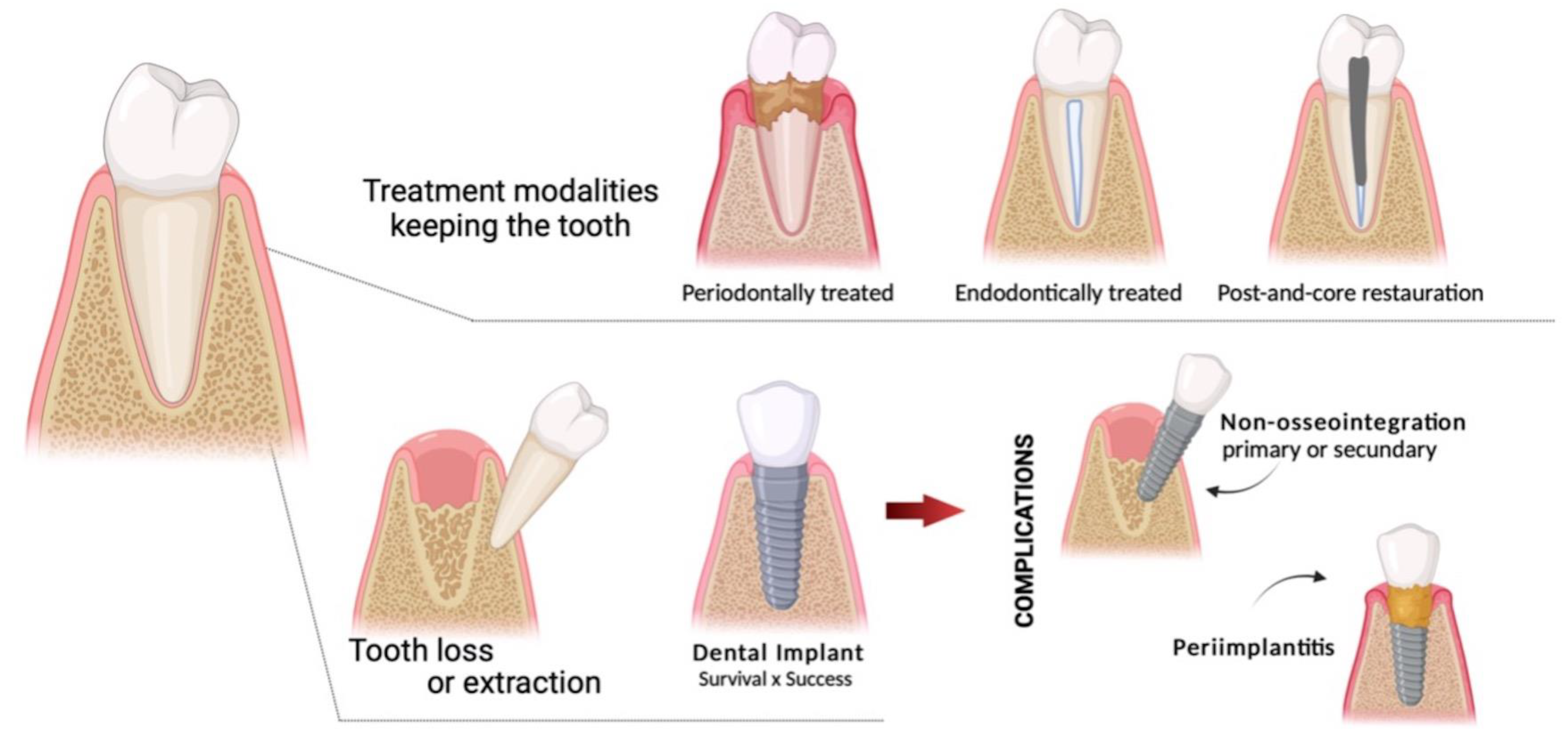
Dental implants can have a high success rate, even for patients with a history of periodontal disease. However, several factors influence how well the procedure goes and how long the implants last.
One of the most critical factors is the health of your gums and bone structure. If you’ve had periodontal disease, you may need to undergo additional treatments, like bone grafting, to ensure a stable foundation for the implants. Regular follow-ups with your dentist can also help monitor your gum health over time.
Long-term maintenance strategies are essential for keeping your implants healthy. This includes maintaining excellent oral hygiene, attending regular dental check-ups, and possibly using specialized cleaning devices. Your dentist may recommend more frequent visits to monitor your gum health if you have a history of periodontal issues.
Patient Testimonials and Case Studies
Many patients with a history of periodontal disease have successfully received dental implants. For example, Sarah, a 52-year-old who struggled with gum issues for years, was initially hesitant about implants. After working closely with her periodontist and following a strict maintenance plan, she now enjoys a beautiful smile and reports that her implants feel just like natural teeth.
Another case involved John, a 45-year-old who had almost given up on dental restorations due to his periodontal disease. After undergoing a comprehensive treatment plan that included gum therapy and careful implant placement, he was thrilled with the results. His experience showcases that with the right care, success is possible.
It’s essential to consult with a dental professional about your specific situation before deciding on implants. They’ll guide you through the process and help you understand how to maximize the chances of success.