

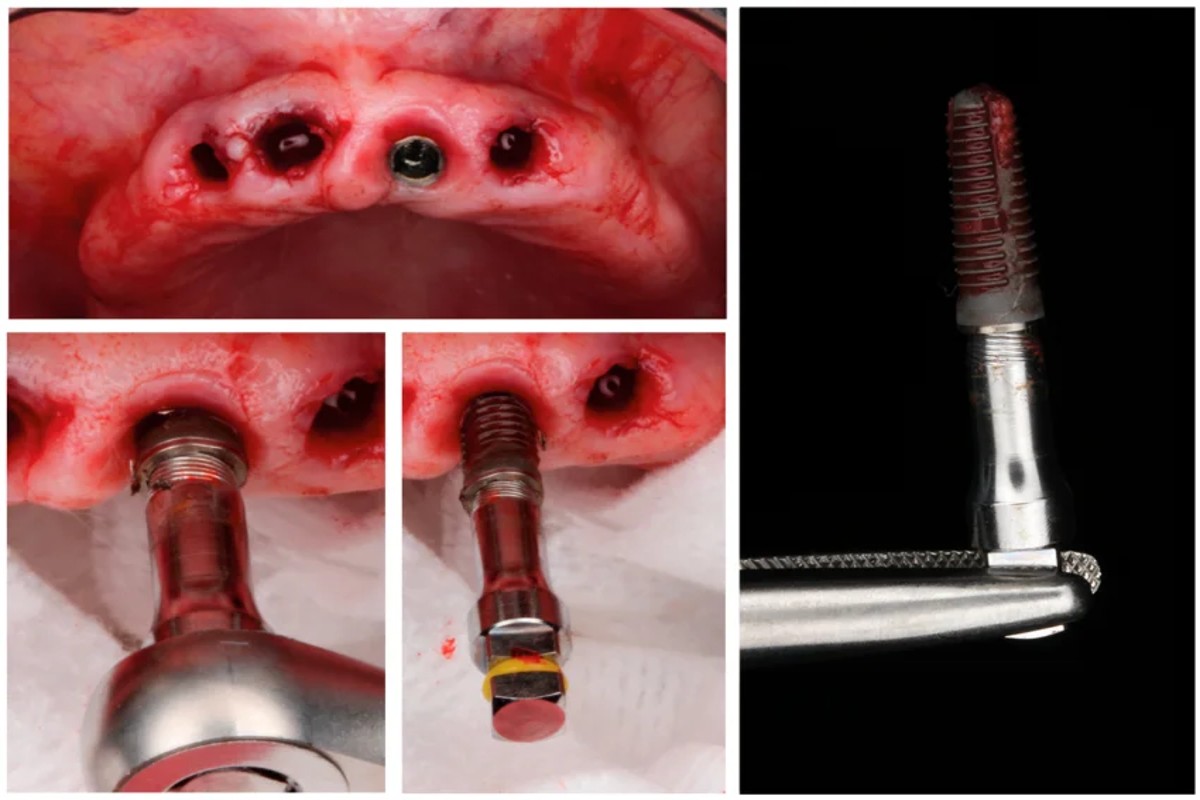
Can You Remove Dental Implants? Yes, dental implants can be removed, but it should always be done by a dental professional to ensure safety and minimize complications. This procedure might be necessary due to infection, implant failure, or personal preference.
If you’re considering having your dental implants removed, it’s crucial to consult your dentist. They can assess your situation and discuss the best approach to ensure a smooth and safe removal process.
Dental implants are a popular solution for missing teeth, helping to restore both function and aesthetics. If you’re considering this option, understanding what they are and how they work is essential.
Understanding Dental Implants
Dental implants are artificial tooth roots, usually made of titanium, that are surgically placed into your jawbone. They provide a sturdy foundation for fixed or removable replacement teeth, making them a reliable choice for those with missing teeth.
When you get a dental implant, the titanium post integrates with your jawbone through a process called osseointegration. This means that the implant becomes a permanent part of your mouth, mimicking the function of natural tooth roots. This stability allows you to chew and speak confidently, just like you would with your original teeth.
People typically seek dental implants for various reasons. One common reason is tooth loss due to decay or injury. For instance, if you had an accident and knocked out a front tooth, an implant can help restore your smile. Others might choose implants to replace multiple missing teeth or to support dentures for improved comfort and function.
Another reason for dental implants is the desire for a long-term solution that looks and feels natural. Unlike bridges or dentures, which can slip or require replacement, implants are designed to last for many years, often a lifetime with proper care.
In short, dental implants provide a durable and effective way to replace missing teeth. If you’re exploring your options, think about how they could fit into your lifestyle and dental health goals. They might just be the right choice for you.
Dental implants are often a great solution for missing teeth, but sometimes, they may need to be removed. You might be wondering why someone would consider this option.
Reasons for Removal of Dental Implants
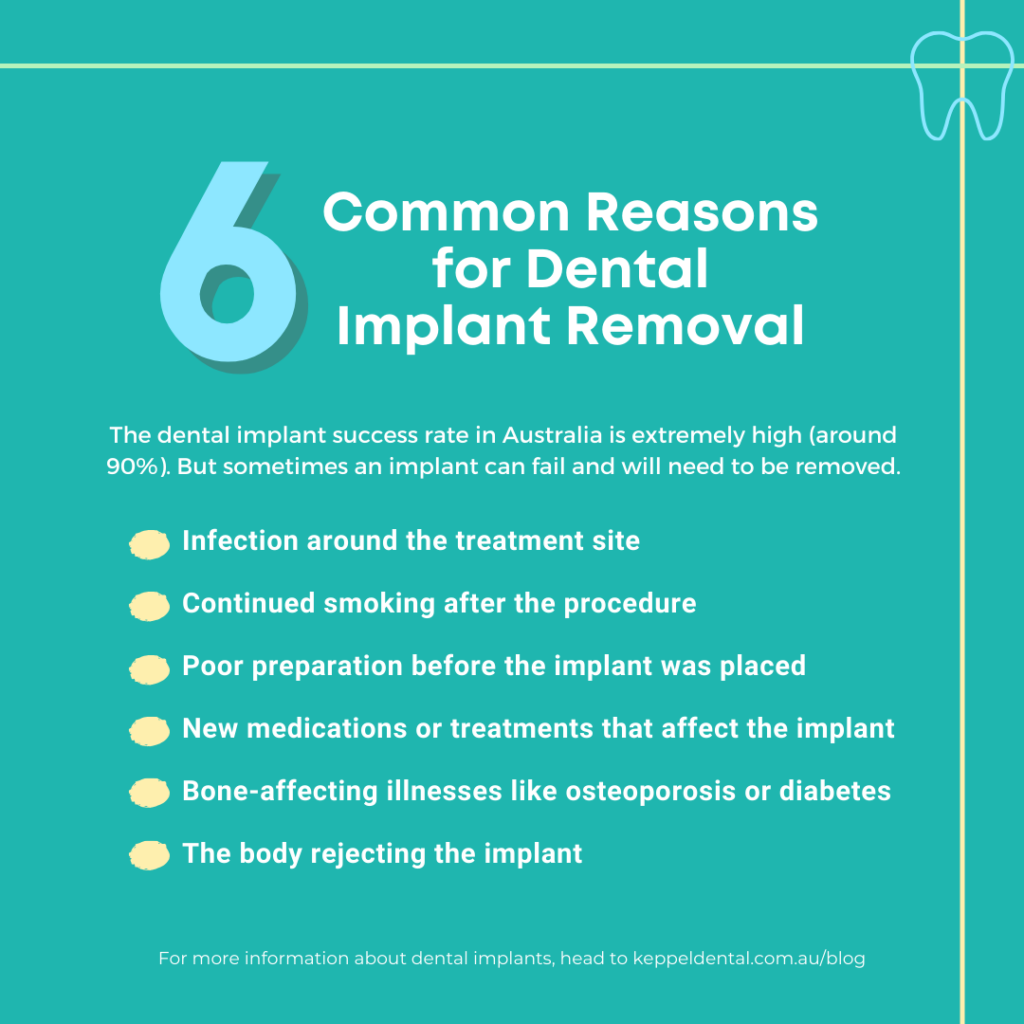
There are several reasons why you might need to have dental implants removed. These reasons can range from health complications to personal choices, and understanding them can help you make informed decisions about your dental care.
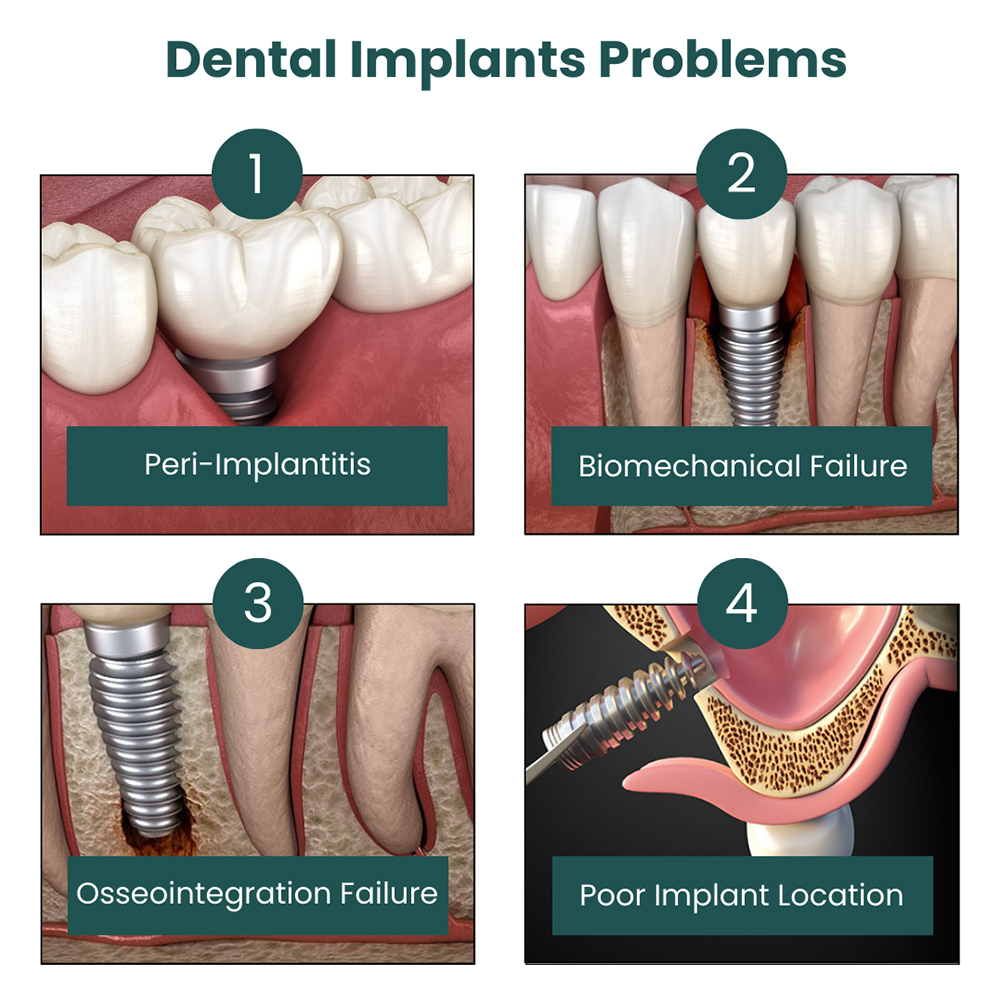
One of the most common reasons for removal is infection or complications. If bacteria get into the implant site, it can lead to peri-implantitis, an inflammatory condition that affects the surrounding gum tissue. This can cause pain, swelling, and even bone loss, making it necessary to remove the implant to prevent further issues.
Another reason to consider removal is implant failure. Sometimes, the implant may not integrate properly with the jawbone, leading to instability. If you find your implant feels loose or isn’t functioning as it should, it’s crucial to consult your dentist. They can assess the situation and determine if removal is necessary.
Lastly, patient preference or lifestyle changes can also influence the decision to remove dental implants. Perhaps you’ve decided to pursue alternative dental solutions, or maybe your health situation has changed. For example, if you’ve developed a condition that affects your oral health, you might choose to have the implants taken out for your overall well-being.
Whatever the reason, it’s essential to approach the situation with care. If you’re facing complications or just want to explore your options, discussing your concerns with a dental professional can provide clarity. They’ll guide you through the process and help you weigh the pros and cons of removal.
Removing dental implants is a common procedure that can be done safely and effectively. If you’re considering this option, it’s crucial to understand the steps involved in the process.
The Removal Procedure Explained
The dental implant removal procedure usually starts with a thorough consultation with your dentist. This step ensures that you’re well-informed about what to expect and that any underlying issues are addressed.
Your dentist will discuss anesthesia options with you. Depending on your comfort level and the complexity of the removal, you might receive local anesthesia to numb the area or, in some cases, sedation to help you relax during the procedure.
The actual removal process begins with your dentist making a small incision in the gum tissue over the implant. This allows access to the implant itself. If the implant is bonded tightly to the bone, they may need to use special tools to gently loosen it. Once it’s free, the implant can be carefully extracted.
After the implant is removed, your dentist will clean the area thoroughly. They might also place a bone graft if necessary, especially if you plan to replace the implant later. This step helps maintain the bone structure in your jaw.
For example, suppose you’ve had an implant for a few years but are experiencing discomfort. After a consultation, your dentist might determine that removing the implant is the best course of action. With the right anesthesia and a skilled hand, the removal can be quick and straightforward.
Always remember to discuss any concerns with your dentist beforehand. They can provide guidance tailored to your situation and ensure a smooth removal process. You’ll feel more at ease knowing what to expect during the procedure.
Removing dental implants isn’t always as straightforward as it sounds. While it may be necessary for some, there are potential risks and complications you should be aware of beforehand.
Potential Risks and Complications
Understanding the risks involved in implant removal can help you make informed decisions. From infections to damage to nearby teeth, being aware of these complications is crucial.
One of the most significant risks is infection. When a dental implant is removed, the area can become vulnerable to bacteria. This can lead to an infection that not only complicates the recovery process but may also require additional treatments to resolve.
Another risk involves damage to surrounding teeth. The implant removal procedure involves careful manipulation of the jawbone and gum tissue, which means there’s a chance that adjacent teeth could be affected. If not handled properly, you might end up with issues that require further dental work.
Recovery complications can also occur. After the removal, you might experience swelling, pain, or even prolonged bleeding. In some cases, the area may take longer to heal than expected, which can be frustrating and concerning.
For instance, think about Sarah, who had her dental implant removed due to an infection. She faced swelling and discomfort during her recovery, which took longer than her dentist had initially anticipated. It was a reminder that every procedure carries its own set of risks.
Before deciding on implant removal, consult with your dentist to fully understand these risks. They can provide you with tailored advice to help minimize potential complications and ensure a smoother recovery.
After having your dental implants removed, you might be wondering what comes next. Recovery can vary, but understanding what to expect will help you navigate this time more comfortably.

Post-Removal Care and Recovery
During the recovery period, your comfort and healing are the top priorities. You’ll want to follow some essential guidelines to ensure a smooth process.
First off, pain management is key. You may experience discomfort after the procedure, and over-the-counter pain relievers like ibuprofen can be helpful. Always follow your dentist’s recommendations regarding medications. If the pain seems overwhelming or persists, don’t hesitate to reach out to your dentist.
Next, be mindful of your diet and activity level. For the first few days, soft foods like yogurt, applesauce, and smoothies are your best friends. Avoid anything too hot or spicy, as well as hard or crunchy foods that could irritate the area. Keep your activities light; heavy lifting or vigorous exercise can increase bleeding and swelling, so take it easy.
Follow-Up Appointments
Don’t forget about your follow-up appointments! These are crucial for monitoring your healing progress. Your dentist will check for any signs of infection and ensure that your mouth is healing as it should. Make sure to keep these appointments, as they play a big role in your recovery.
Remember, everyone’s recovery journey is a bit different. Some may bounce back quickly, while others might need a little more time. Listen to your body and give yourself grace during this period. If you have any concerns, always reach out to your dental professional for guidance. Taking care of yourself now will help you feel better sooner!
If you’re facing the removal of dental implants, you might be wondering what your options are moving forward. Fortunately, there are several alternatives that can help restore your smile and functionality.

Alternatives to Dental Implants
When dental implants are no longer a viable option, bridges, dentures, and other solutions can be effective. Each alternative has its pros and cons, depending on your specific needs and circumstances.
One popular choice is dental bridges. These are fixed prosthetic devices that bridge the gap where a tooth or teeth used to be. They’re typically anchored to surrounding teeth, so they don’t require surgery like implants do. For example, if you lost a molar, a bridge can fill that space without needing to replace the root structure.
Another option is dentures. These can be partial or full, depending on how many teeth you need to replace. They’re removable and can be a more affordable solution than implants. However, some people find them less comfortable or secure. If you’re someone who values stability, you might want to consider how well dentures will work for you.
Bone Grafting
If you’ve lost bone density due to the absence of an implant, bone grafting might be a necessary step before considering other implants. This procedure involves adding bone material to your jaw, which can help provide a stable base for future dental work. It’s a procedure that can make a significant difference in your overall oral health.
Other Implant Types
There are also alternative implant types, like mini implants. These are smaller than traditional implants and can be used in situations where there isn’t enough bone for a standard implant. They can be a great option for people who want a more permanent solution but don’t want to undergo extensive surgery.
Before making any decisions, talk to your dentist about what might work best for you. Each option has its unique benefits, so it’s all about finding the right fit for your situation. Remember, taking care of your oral health is key, and exploring these alternatives can lead you to a smile you love again.