

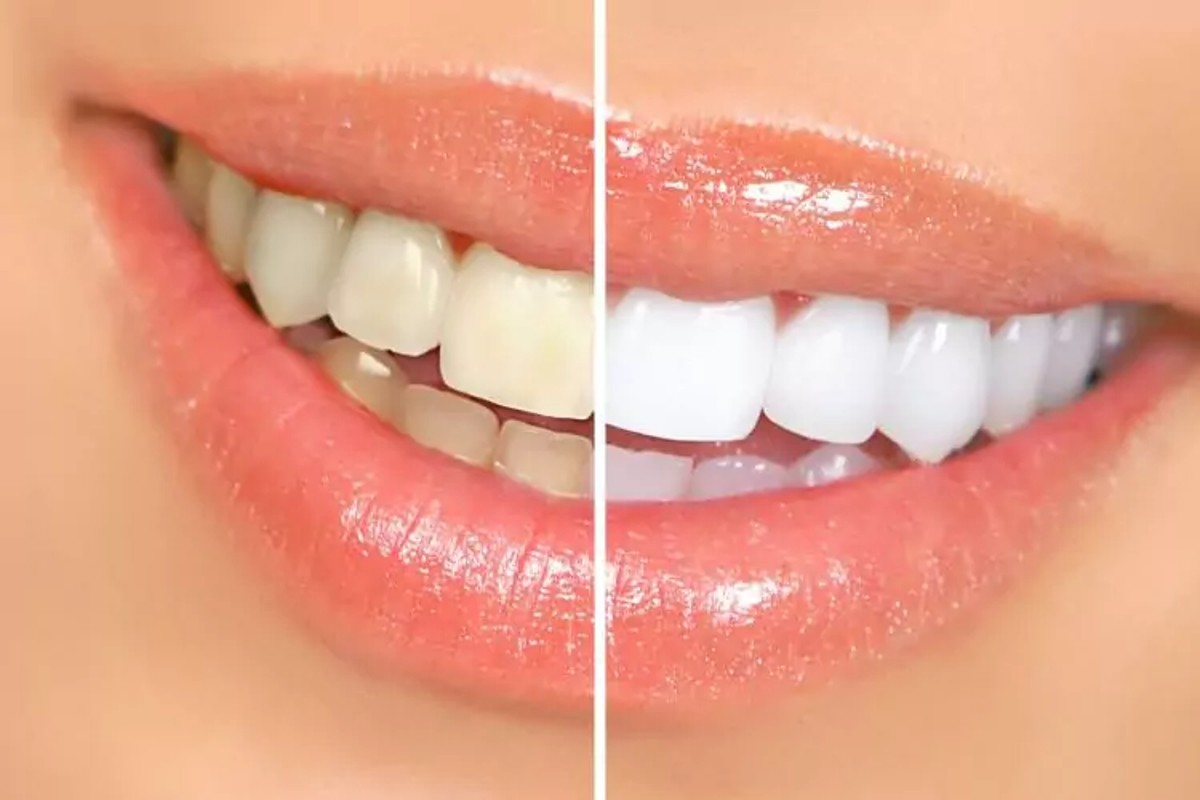
Can You Whiten Dental Implants? The answer is generally no, as dental implants are made from materials that do not respond to whitening treatments like natural teeth. This is important for those considering cosmetic options for their smile.
For example, if you have natural teeth that have become discolored, whitening them might not effectively match the color of your dental implants. Understanding this can help you make informed decisions about your dental care and aesthetics.
Dental implants are a popular choice for replacing missing teeth, but many people wonder about their appearance, especially when it comes to whitening. You might be asking yourself, “Can you whiten dental implants?” Let’s take a closer look at the materials these implants are made from and why they don’t stain like natural teeth.
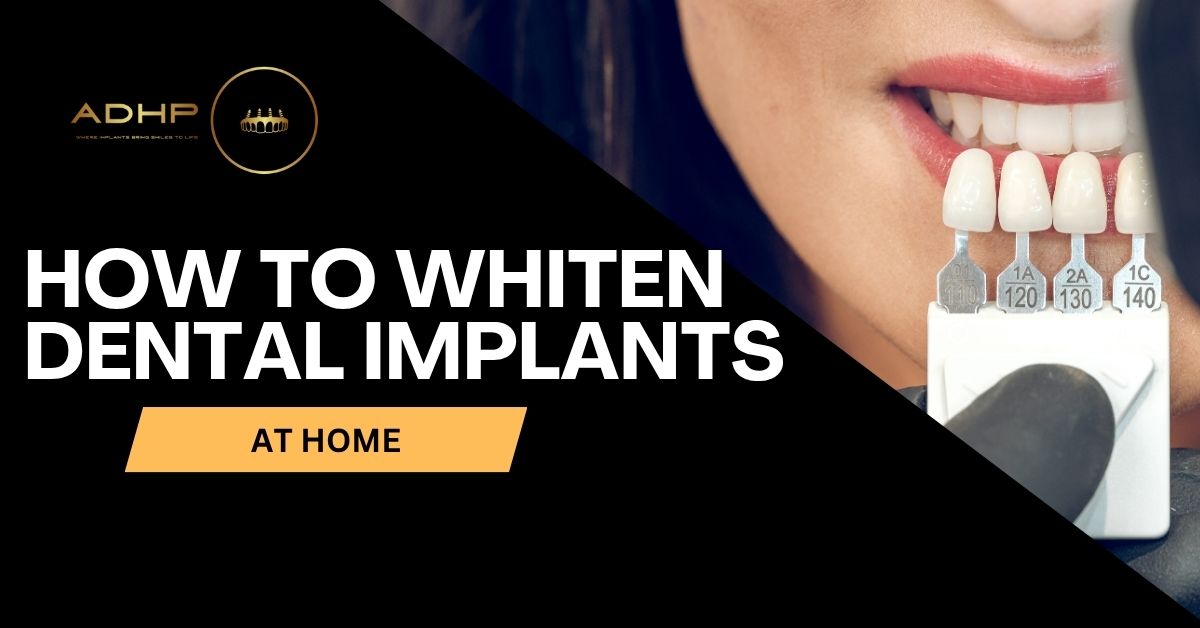
Understanding Dental Implant Materials
Dental implants are typically crafted from materials designed for durability and aesthetic appeal. Understanding these materials can help clarify why implants maintain their color better than your natural teeth.
The most common materials used for dental implants include titanium and zirconia. Titanium is favored for its strength and biocompatibility, meaning your body is less likely to reject it. Zirconia, on the other hand, offers a tooth-like appearance and is even more resistant to wear, making it a popular choice for visible areas.
One of the reasons dental implants don’t stain is due to their non-porous nature. Unlike natural teeth, which can absorb pigments from food and drinks, implants resist discoloration. For example, if you enjoy coffee or red wine, you might notice your natural teeth changing colors over time. But your implants will stay just as bright as the day they were placed.
Another key difference between dental implants and natural teeth is their surface structure. Natural teeth have a layer called enamel that can wear down and become more susceptible to staining. Implants, however, have a smooth, polished surface that doesn’t harbor bacteria or food particles, keeping them looking pristine.
If you’ve ever thought about whitening your implants, it’s essential to remember that traditional whitening methods won’t work on them. Instead, maintaining good oral hygiene and regular dental check-ups can keep your smile looking its best. If you feel your implants need a refresh, consult your dentist for professional advice tailored to your situation.
Many people wonder, can you whiten dental implants? Unfortunately, the answer isn’t straightforward, especially if you’re considering traditional whitening methods.

Why Traditional Whitening Methods Fail
Traditional whitening products, like gels and strips, are designed to target natural teeth. This means they won’t work effectively on dental implants, which are made from materials that don’t react to these products.
The primary reason whitening methods fail on implants is due to the chemical reactions that occur in natural teeth. These reactions break down stains and lighten the enamel. However, implants are typically made of porcelain or titanium, substances that lack the ability to undergo these chemical changes.
Whitening gels contain hydrogen peroxide or carbamide peroxide, which can penetrate the enamel of natural teeth. But since dental implants don’t have any enamel, these gels won’t make a difference. Instead, they can sometimes cause unwanted side effects, like irritation to the surrounding gums.
Speaking of gums, let’s consider their health. Whitening products can lead to gum sensitivity or even irritation when applied near implants. If you’re using these products, it’s essential to be cautious and consult with your dentist first. They can help ensure that your gums remain healthy while you maintain your smile.
Imagine you’ve just invested in a beautiful set of dental implants. You want your smile to look as bright as possible, but traditional whitening methods don’t deliver results. Instead, you might notice that the color of your implants doesn’t match your natural teeth, leading to an uneven appearance.
So what can you do? Rather than relying on conventional whitening methods, consider a professional cleaning or even a touch-up from your dentist. They can offer solutions tailored to your specific needs, ensuring your implants look their best without compromising your oral health.
When it comes to improving the aesthetics of your dental implants, whitening isn’t an option. But don’t worry—there are several alternative methods that can enhance their appearance and make you feel more confident about your smile.
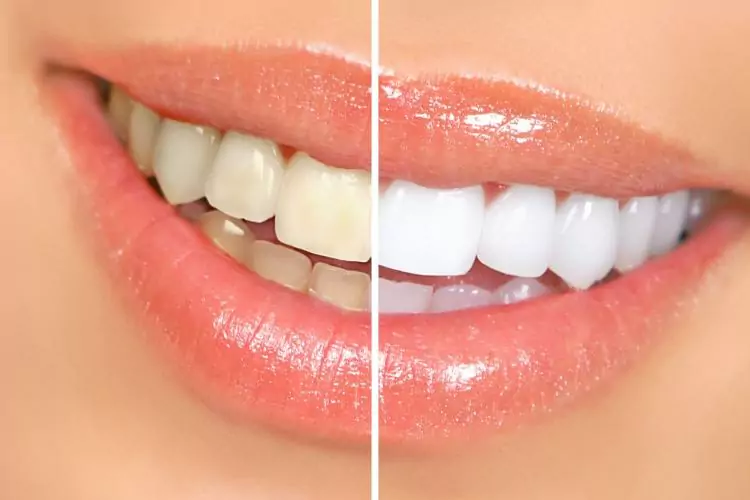
Alternative Ways to Improve Implant Aesthetics
From professional polishing to replacement options, there are effective ways to boost the look of your dental implants. Let’s explore some of these alternatives that can help you achieve a more natural and appealing smile.
One of the simplest methods is professional polishing. Your dentist can use specialized tools to polish your implants, removing surface stains and giving them a brighter appearance. This process is quick and can significantly enhance the shine, making your implants look fresher.
If polishing doesn’t do the trick, you might consider replacement options. Over time, implants can become discolored or may not match your natural teeth as well as they once did. If this is the case, your dentist can replace the implant or the crown on the implant to ensure a better color match, allowing you to enjoy a more harmonious smile.
Using Veneers or Crowns
Another option is to use veneers or crowns. If your dental implants are made from materials that can’t be whitened, adding a veneer or a new crown might be the way to go. These can be custom-made to match the shade of your natural teeth and can dramatically improve the overall aesthetics of your smile.
Imagine this: You’ve just got a dental implant, but the color isn’t quite right. After a visit to your dentist, they polish your implant and then recommend a new crown that matches your natural teeth perfectly. You walk out of the office feeling like a million bucks, with a smile that looks completely natural.
Whichever route you choose, working closely with your dentist can help you find the best solution for improving your dental implant aesthetics. Don’t hesitate to discuss your options and make sure you feel great about your smile!
Maintaining the color of your dental implants is essential for a bright and confident smile. Over time, factors like food choices and oral hygiene can impact their appearance. Here’s how you can keep your implants looking their best.
Maintaining the Color of Dental Implants
Like natural teeth, dental implants require some care to maintain their color and shine. By adopting good oral hygiene practices and being mindful of what you eat, you can help your implants stay vibrant for years to come.
First and foremost, proper oral hygiene is a must. Brushing your teeth at least twice a day and flossing daily will help prevent plaque buildup around your implants. Consider using a non-abrasive toothpaste that won’t scratch the surface of your implants. Regular use of an antibacterial mouthwash can also keep your mouth fresh and reduce staining.
Next, be cautious about the foods you consume. Some items, like coffee, tea, red wine, and berries, are notorious for causing stains on dental surfaces. If you enjoy these foods and drinks, try to rinse your mouth with water afterward or brush your teeth shortly after consumption. This small step can make a big difference in keeping your implants looking bright.
Lastly, don’t skip your regular dental check-ups. Your dentist can clean your implants professionally and check for any issues that might affect their appearance. These visits are a great opportunity to ask about the best products and practices for maintaining your specific dental implants.
For example, if you love coffee but are worried about stains, consider switching to a light roast or adding milk, which might lessen its staining effects. Finding alternatives can help you enjoy your favorite beverages without compromising the look of your smile.
By following these tips and being consistent with your care routine, you can confidently answer the question, “Can You Whiten Dental Implants?”—while ensuring your smile remains as radiant as ever.
If you’re wondering, “Can You Whiten Dental Implants?” the answer isn’t straightforward. Consulting your dentist is crucial to find the best solutions for your specific situation.
Consulting Your Dentist for Solutions
Your dentist is your best resource for understanding how to care for your dental implants. They can provide tailored advice and solutions that suit your unique dental needs.
Knowing when to seek professional advice is key. If you notice any discoloration or changes in your implants, don’t hesitate to reach out. It’s better to be proactive rather than wait for issues to escalate.
When you visit your dentist, consider asking a few important questions. For instance, you might want to know if there are any specific whitening treatments that are safe for implants. You could also inquire about the best products to use for maintaining a bright smile.
Follow-up care is another crucial aspect of implant maintenance. Your dentist may recommend regular cleanings or specific oral hygiene practices to keep your implants looking their best. Following these recommendations can help prevent any future discoloration.
Picture this: You’ve just gotten dental implants, and you’re thrilled with how they look. A few months later, you notice they’re not as bright as they used to be. Instead of trying over-the-counter whitening products, you decide to consult your dentist. They offer you safe options tailored to your situation. This kind of professional guidance is invaluable.
Remember, your dental health is a priority. Regular check-ups and open communication with your dentist can help keep your implants looking great for years to come.
Many people believe that dental implants can be whitened just like natural teeth. However, several misconceptions can lead to confusion and unrealistic expectations.
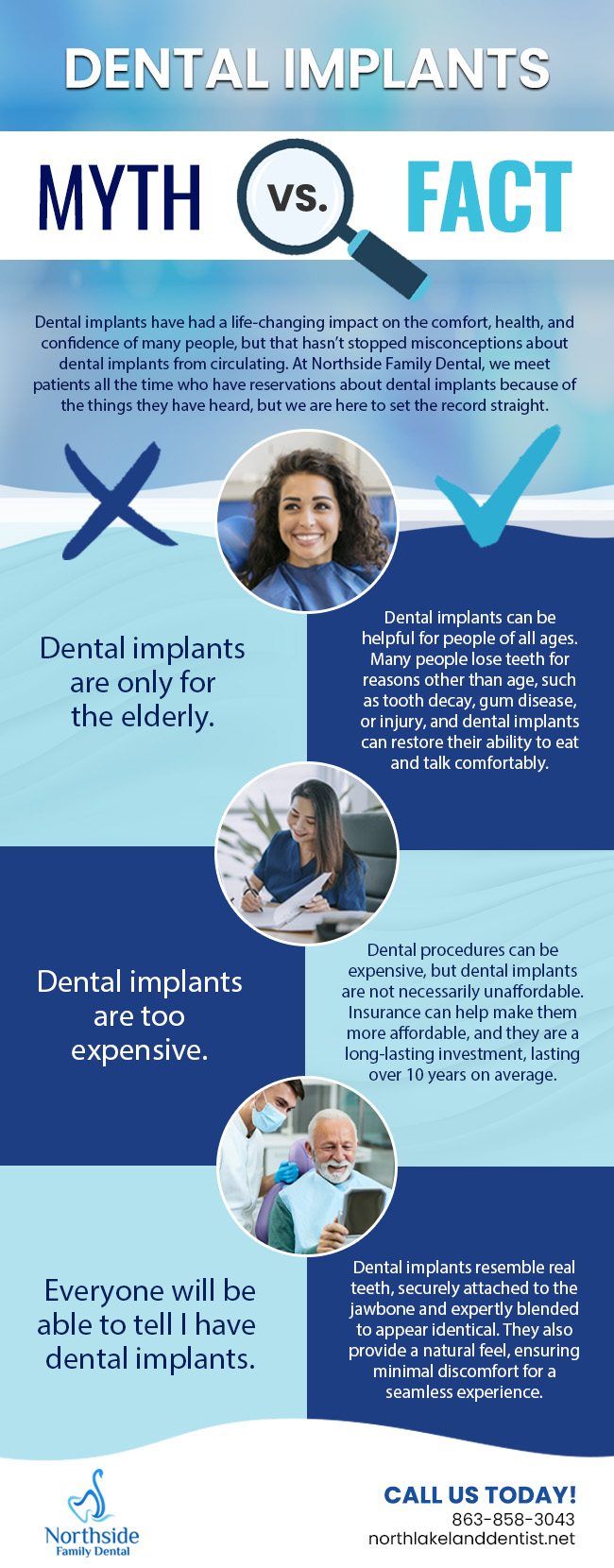
Common Myths About Whitening Dental Implants
Let’s break down some of the most common myths surrounding the whitening of dental implants. Understanding these myths can help you make informed decisions about your oral health.
First off, many think that whitening treatments will work effectively on dental implants. Unfortunately, that’s not the case. Unlike natural teeth, implants are made from materials like titanium and porcelain, which don’t respond to bleaching agents. So, when you ask, “Can You Whiten Dental Implants?” the answer is a clear no.
Another popular myth is the use of DIY whitening solutions. Some people try home remedies like baking soda or activated charcoal, believing these will give their implants a brighter appearance. However, these methods can be abrasive and may even damage the surface of your implants, leading to more problems.
Additionally, it’s crucial to clarify patient expectations. Many individuals expect their implants to match the brightness of their natural teeth after a whitening treatment. But since implants can’t be whitened, it’s essential to have realistic expectations. Instead, focus on maintaining good oral hygiene and regular dental check-ups to keep your implants looking their best.
For example, imagine you’ve just had a beautiful set of dental implants placed. You might think that you can simply use over-the-counter whitening kits to keep them looking bright. However, after a few weeks of trying, you realize they still look the same. That’s because dental implants don’t respond to these products like natural teeth do.
To keep your implants in top shape, consider professional dental cleanings and consultations. Your dentist can guide you on how to maintain the look of your implants without risking damage from ineffective whitening methods.