

Cost Of Dental Implants In Indiana typically ranges from $1,500 to $4,000 per implant. This cost varies based on factors like location, the type of implant, and any additional procedures needed.
For many, dental implants are a long-term solution for missing teeth, making understanding the costs essential. Prices can differ significantly between cities and practices, impacting your overall budget for dental care.
When considering dental implants, understanding the costs involved is crucial. Various factors can influence the overall price, and being aware of these can help you plan your budget effectively.

Factors Affecting Dental Implant Costs
The cost of dental implants in Indiana isn’t a one-size-fits-all figure. It can vary significantly based on several factors, including your location within the state, the type of implant you choose, and any additional procedures you might need.
One of the primary factors is your location in Indiana. For instance, dental practices in larger cities like Indianapolis may charge more than those in smaller towns due to higher overhead costs. If you’re in a less populated area, you might find more affordable options, but it’s essential to ensure that quality care is still a priority.
The type of implant used also plays a significant role in the overall cost. There are different materials and designs available, each with its own price range. For example, a traditional titanium implant might be less expensive than a more advanced zirconia implant, which is known for its aesthetic benefits and biocompatibility.
Additionally, you might need other procedures before getting implants. Some people require bone grafts if their jawbone isn’t strong enough to support an implant. This additional step can increase your total expenses. If you need extractions or gum treatments, those will add to the overall cost as well.
Let’s say you’re in Fort Wayne and you decide to go for a titanium implant, but you also need a bone graft. The combo could push your costs higher than if you were just getting a straightforward implant in a city with lower fees. So, it really pays to do some research on local options.
Being proactive can help you find the best deals while ensuring you receive quality care. Don’t hesitate to consult with multiple dental professionals to get quotes and understand what you might need to budget for your dental implants.
When considering dental implants, understanding the costs involved is crucial. The cost of dental implants in Indiana can vary significantly based on several factors, including the specific procedures and care involved.
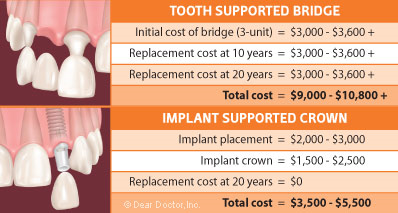
Average Cost Breakdown by Procedure
The dental implant process typically includes multiple stages, each with its own associated costs. By breaking down these stages, you can get a clearer idea of what to expect financially.
First, you’ll generally start with a consultation, which often costs between $100 to $300. During this initial visit, your dentist will evaluate your oral health and create a specific treatment plan tailored to you. This fee may be applied toward your overall treatment cost if you proceed with the implants.
Next up is the surgery itself. The surgical procedure for placing the implant can range from $1,000 to $3,000 per implant. This cost typically covers the surgical techniques used, anesthesia, and the implant fixture itself. For example, if you’re getting a full set of implants, the total might come to $20,000 or more, depending on how many implants you need.
After the surgery, post-operative care is essential for a successful recovery. This can include follow-up appointments and any necessary medications, which might cost an additional $200 to $500. Good post-operative care helps ensure that your implants heal properly, so don’t skip this step.
One scenario you might encounter is if you need a bone graft before getting implants. This can add anywhere from $300 to over $1,000 to the total cost. Always discuss these potential additional expenses with your dental provider to avoid surprises later on.
By understanding the average costs associated with each stage of the dental implant procedure, you can better prepare for the financial commitment. Always ask your dentist for a detailed estimate based on your specific needs to get the most accurate picture of what you’ll be paying.
Understanding how dental insurance covers implants can save you money and stress. Knowing what to expect can help you plan better for the cost of dental implants in Indiana.

Insurance Coverage for Dental Implants
Dental insurance plans vary widely, but many don’t fully cover implants. You might find some coverage that helps with the overall cost, but it usually comes with a few caveats.
Common coverage types often include a percentage of the implant cost or a fixed dollar amount. Some plans might cover the extraction of the tooth and the crown, but not the implant itself. You’ll need to check your specific plan to see what’s included.
Out-of-pocket expenses can add up quickly. If your insurance only covers a portion, you could be responsible for the rest. For example, if your implant costs $3,000 and your plan covers 50%, you’ll still need to pay $1,500 out of your own pocket. That’s a significant amount, so budgeting is key.
Pre-authorization Process
Before you move forward with treatment, you might need to go through a pre-authorization process. This means your dentist will submit a request to your insurance provider to confirm coverage. It can take some time, so be prepared to wait a bit before getting the green light.
Remember, not all dental insurance plans are created equal. Some plans have waiting periods before coverage kicks in, while others might require a certain level of dental health before they’ll cover implants. It’s worth taking the time to understand your specific situation.
A practical tip: don’t hesitate to reach out to your insurance company or dental office for clarifications. They can help you navigate the maze of coverage options and give you a clearer picture of the cost of dental implants in Indiana.
If you’re considering dental implants, managing the costs can feel overwhelming. Fortunately, there are several financing options available in Indiana that can help ease the burden of the cost of dental implants in Indiana.
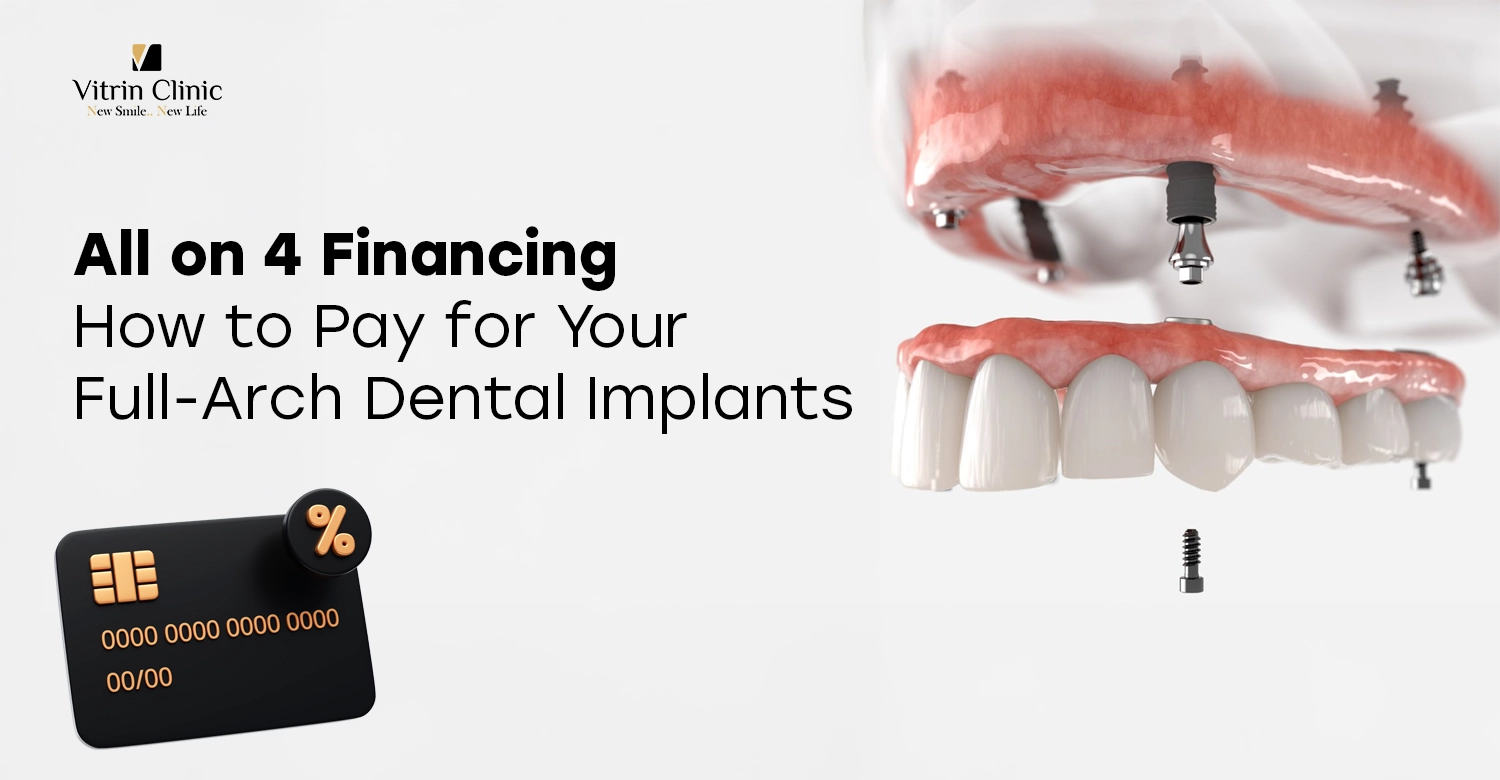
Financing Options for Dental Implants
Understanding your financing options can make a huge difference in affording dental implants. Many clinics and third-party companies offer flexible plans tailored to fit your budget.
Many dental clinics provide payment plans that allow you to spread out the cost of your implants over time. This way, you won’t have to pay the full amount upfront. For example, if your dental implants cost $5,000, a clinic might offer a plan that lets you pay $400 a month for 12 months. This can make the process much more manageable.
In addition to in-house payment plans, you can also look into third-party financing companies. These companies specialize in healthcare financing and can offer low-interest loans or credit options specifically for dental procedures. They often have quick approval processes, so you can get started on your treatment sooner rather than later.
Another smart option is to use a Health Savings Account (HSA). If you have one, you can set aside pre-tax money to cover medical expenses, including dental implants. This can save you money in the long run, as you’re using tax-free dollars to pay for your care.
Finding the right financing option can make a significant impact on your ability to afford dental implants. Take the time to explore all your choices and choose the one that fits your financial situation best. You’ll be glad you did when you see your smile transform!
When considering dental implants, understanding the cost in your area can help you make informed decisions. The cost of dental implants in Indiana can vary significantly depending on where you live.
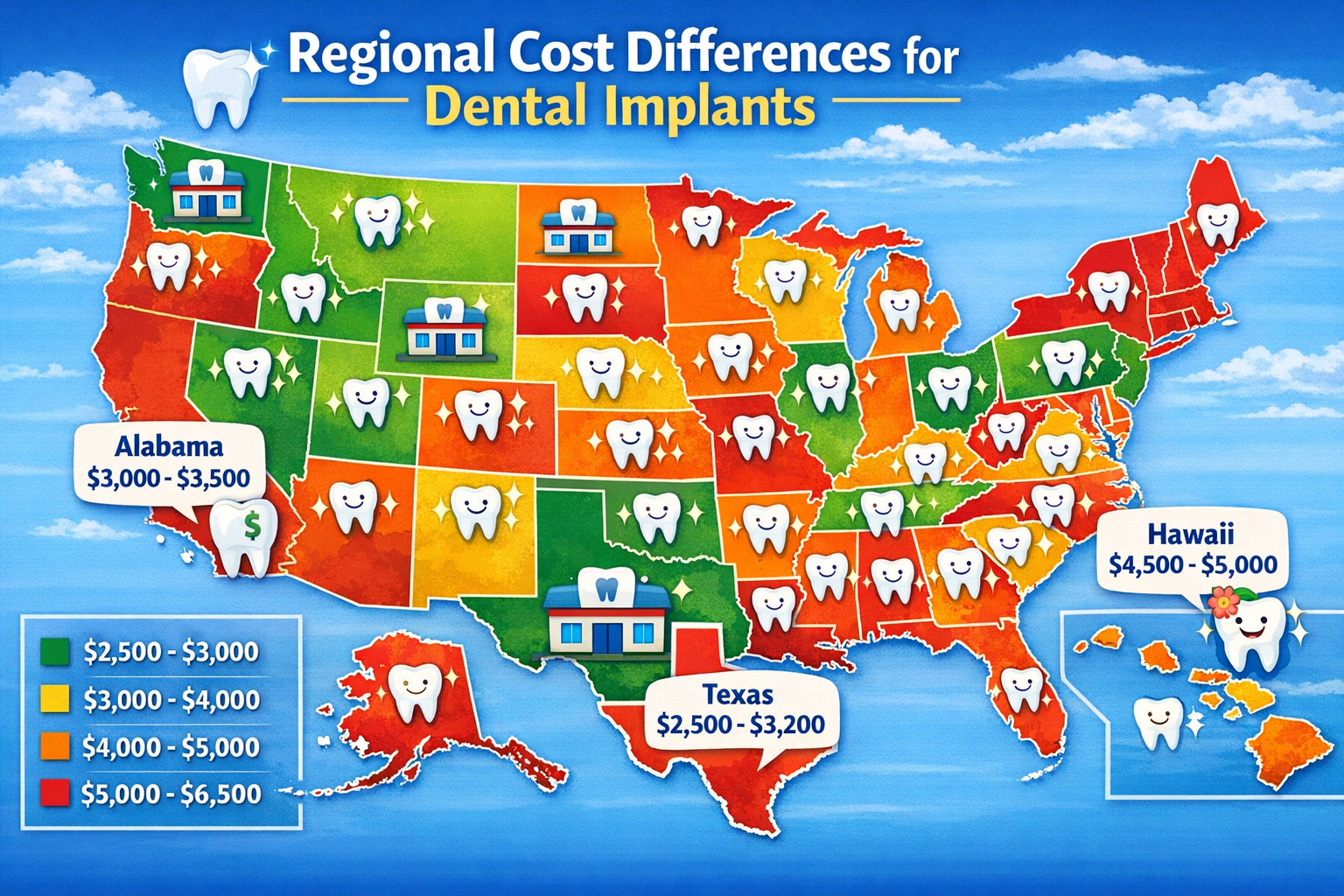
Comparing Costs Across Indiana Cities
Dental implant costs differ across various cities in Indiana. Factors like local demand, dentist expertise, and overhead costs all play into how much you’ll pay.
In Indianapolis, the average cost for dental implants typically ranges from $3,000 to $4,500 per implant. The city boasts a wide range of dental practices, so you may find some competitive pricing. Plus, many clinics offer financing options that can help ease the financial burden.
Moving to Fort Wayne, you’ll generally see a slightly lower price point. Here, dental implants can cost between $2,800 and $4,200. This difference may be due to lower living costs and less competition among dental providers. If you’re in Fort Wayne, it’s a good idea to shop around for quotes to find the best deal.
In Evansville, the cost tends to be on the lower end as well, with prices ranging from $2,500 to $4,000 per implant. While dental services in Evansville are generally more affordable, you should still evaluate the reputation and experience of the dental professionals before making a choice. If you’re considering multiple implants, you might even negotiate a better rate.
For example, imagine you’re in Indianapolis and you find a dentist who offers a promotional rate for new patients. You could potentially save a few hundred dollars. Always ask about any ongoing promotions or discounts at your local clinics.
Ultimately, the cost of dental implants in Indiana can vary greatly from city to city, so it’s best to do your research based on your specific location. Always remember to consider the quality of care alongside the price when making your decision.
When considering dental solutions, understanding the long-term value of dental implants can make a significant difference in your decision-making. While the initial costs can seem high, the benefits often outweigh the price tag over time.

Long-term Value of Dental Implants
Dental implants offer a unique combination of durability, health benefits, and cost-effectiveness. Unlike temporary solutions, implants are designed to last, providing you with a reliable option for years to come.
One of the standout features of dental implants is their durability and lifespan. Unlike dentures or bridges, which may need to be replaced every few years, implants can last 10 years or more with proper care. This means fewer visits to the dentist and less hassle in the long run.
Impact on Oral Health
Another crucial aspect is the positive impact dental implants have on your oral health. They stimulate the jawbone, preventing bone loss that often occurs with missing teeth. This not only keeps your smile looking natural but also maintains the structure of your face.
Consider a scenario where you opt for a less permanent solution, like dentures. Over time, you may face issues like gum irritation, difficulty eating certain foods, and the need for regular adjustments. In contrast, dental implants can enhance your quality of life by allowing you to eat comfortably and smile confidently.
Cost-effectiveness Over Time
When looking at the cost of dental implants in Indiana, think about their long-term value. While the upfront investment is higher than traditional dentures or bridges, the longevity and health benefits can actually save you money in the long run. You won’t have to worry about frequent replacements or repairs.
- Dental Implants: Long-lasting with proper care.
- Dentures: Often need replacements every 5-7 years.
- Bridges: Typically require replacement every 10 years.
Investing in dental implants might seem daunting at first, but when you consider their durability and the positive effects on your oral health, they can be a smart financial decision. Think of it as investing in your future smile and overall well-being.