
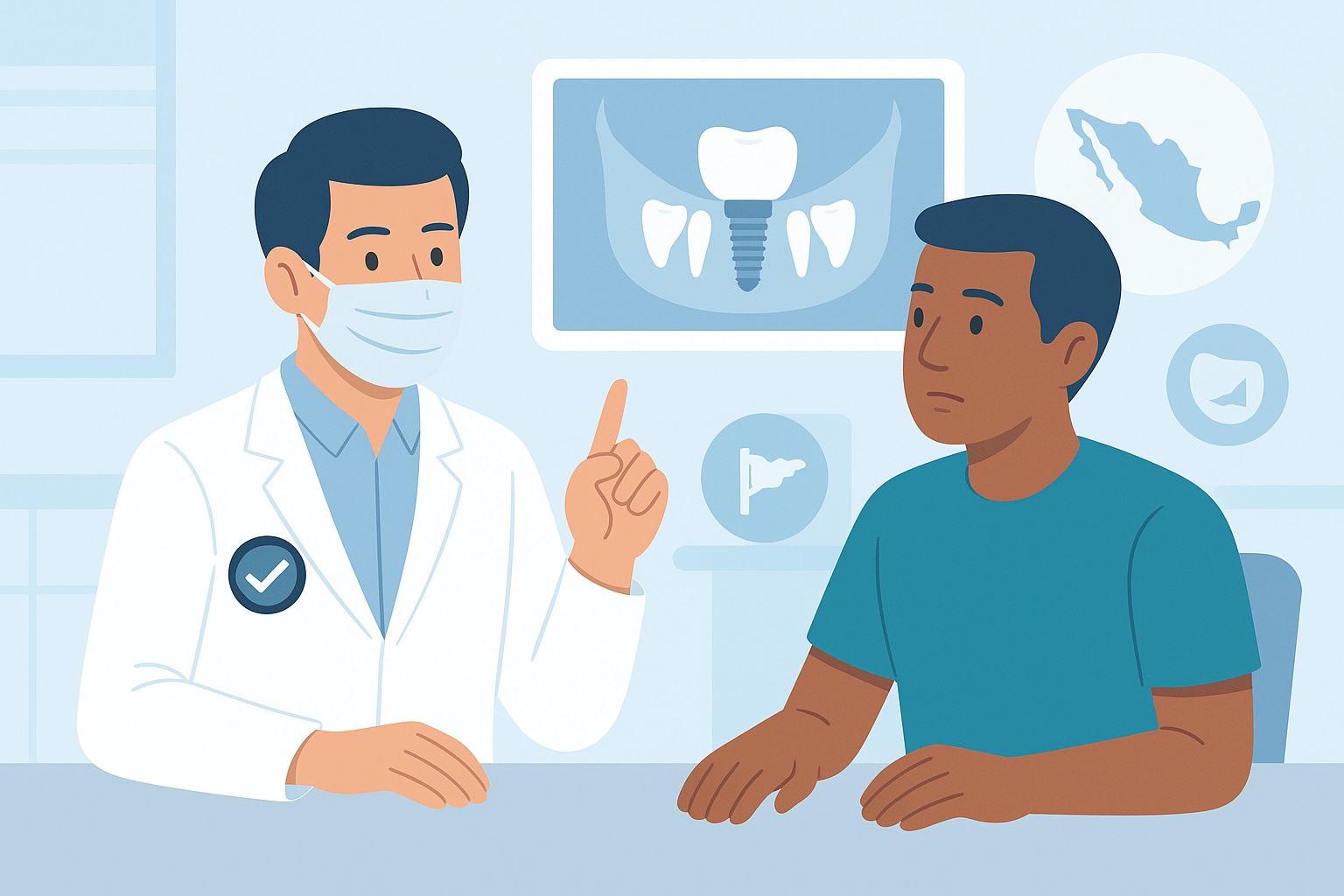
Dental implants in Mexico have become a go-to solution for many Americans and Canadians looking to save money on expensive dental procedures. With qualified dentists, modern clinics, and costs that are often 50–70% lower than in the U.S., it’s no surprise that thousands make the trip each year. But while the procedure itself might go smoothly, the real concern for many patients starts after they return home.
Aftercare is a critical part of the implant process. Improper recovery, unmanaged symptoms, or lack of follow-up support can lead to complications like infections or implant failure. When the dental work is done abroad, managing these risks becomes more complicated. Knowing what to expect and how to prepare for post-implant care is essential to ensure long-term success.
Understanding the Post-Implant Recovery Timeline
The healing process after dental implants involves multiple stages, each with its own care requirements. Patients who undergo implant procedures in Mexico need to be aware of these stages, especially since much of the recovery happens after they’ve returned home.
First 72 Hours – Immediate Healing
The first few days after surgery are critical. Patients typically experience swelling, mild bleeding, and discomfort. Mexican clinics usually provide antibiotics and pain medication, but following instructions carefully is key. Ice packs, soft foods, and rest are essential to reduce swelling and support healing.
2 to 6 Weeks – Soft Tissue Recovery
Gums begin to heal, and inflammation should subside. During this period, it’s important to avoid chewing on the implant site. Oral hygiene must be maintained, but gently — brushing and rinsing with recommended solutions help prevent infection.
3 to 6 Months – Osseointegration
This is the phase where the implant fuses with the jawbone. Most patients will already be back home during this stage. While there are usually no active symptoms, the risk of implant failure still exists if proper care isn’t maintained. Any pain, loosening, or swelling should be evaluated immediately.
Follow-Up Visits
Some clinics in Mexico schedule a return visit for the final crown placement, while others complete the entire process in one trip. It’s crucial to clarify this beforehand and prepare for possible return travel or arrange a local dentist to complete the treatment.
Risks After Getting Implants Abroad
While dental tourism in Mexico offers cost savings, it also comes with certain risks—especially after the procedure is done and the patient returns home. Understanding these risks is vital for managing your recovery safely.
Infections and Surgical Complications
Even with skilled care, any surgical procedure carries the risk of infection. When you’re no longer in the same country as your dentist, treating post-op complications becomes more challenging. Symptoms like persistent pain, swelling, or discharge may indicate infection and need prompt local care.
Limited Access to Immediate Follow-Up
If complications arise, returning to the original clinic may not be practical or affordable. Local dentists in your home country might hesitate to intervene on procedures done abroad, especially if records are incomplete or unfamiliar.
Communication Barriers and Incomplete Documentation
Some patients report unclear post-op instructions or difficulty communicating with their Mexican clinic after returning home. Inadequate documentation—such as missing x-rays, treatment notes, or implant details—can complicate future dental work or emergency care.
Implant Failure and Additional Costs
If an implant doesn’t integrate properly, it may fail within a few months. Without a nearby clinic offering follow-up care or warranty support, patients may face the full cost of correction, either abroad or at home.
Importance of Aftercare Planning Before You Travel
Many issues that arise after dental implant surgery in Mexico can be prevented or minimized with proper planning before your trip. A successful outcome doesn’t end when you leave the clinic — it continues with how well you manage recovery once you’re back home.
Choose a Dentist Who Provides Clear Recovery Guidelines
Before committing to a clinic, ask detailed questions about their post-op care process. Reputable providers should offer written recovery instructions, prescriptions, and emergency contact information. Ensure they provide support once you’re back in your home country.
Coordinate with a Local Dentist in Advance
One of the best safety nets is having a U.S.- or Canada-based dentist on standby in case issues arise. Some patients choose to get a local consultation before traveling so that a home-based dentist is familiar with their oral health. Sharing your treatment plan in advance can make follow-up easier if needed.
Obtain Full Medical Records and Implant Details
Always request copies of your x-rays, treatment notes, and implant product information. This includes the brand, size, and placement data. These records are essential if you need help from another provider or have to deal with complications after returning home.
Understand the Full Treatment Timeline
Some implants require multiple stages over several months. Know whether your procedure will involve a return visit for abutment or crown placement. If the clinic claims to complete everything in one visit, verify that it aligns with proper healing protocols.
Managing Post-Op Issues From Home
Once you’re back home after receiving dental implants in Mexico, being proactive with your care is key to avoiding complications. Since your treating dentist is in another country, you’ll need to manage issues independently or with the help of local providers.
Recognizing Warning Signs Early
Pay close attention to your body during the first few weeks. Common concerns like mild discomfort or swelling usually resolve within a few days. However, if you experience persistent pain, bleeding, pus, or loosening of the implant, don’t wait — seek immediate dental or medical attention. Early intervention can prevent further complications.
Have a Plan for Local Emergency Care
Before traveling, research dentists or oral surgeons in your area who are willing to treat international dental work. While not all providers will accept such cases, some general or emergency dentists can manage infections, sutures, or temporary issues.
Stay in Touch With the Mexican Clinic
Many clinics offer virtual follow-ups through video calls, email, or messaging apps. Ask your clinic about remote check-in options before you leave. Keep their contact details accessible in case you need guidance or clarification on symptoms.
Handle Medications and Instructions Properly
Make sure you bring back all prescribed medications, including antibiotics and pain relievers, and understand how and when to use them. If you weren’t given enough for the full course or have questions, consult a local pharmacist or physician.
Maintain Excellent Oral Hygiene
Gentle brushing, salt water rinses, and avoiding pressure on the implant site will support healing. Follow the cleaning instructions exactly as given by your dentist. Using improper tools or products can irritate the area and slow healing.
How to Reduce Risks and Ensure Safe Recovery
The safety of your dental implant recovery largely depends on the choices you make before and after the procedure. Taking a few extra precautions can dramatically lower your risk of complications, especially when getting treated abroad.
Verify the Clinic’s Credentials
Not all dental clinics in Mexico operate to the same standards. Look for providers certified by the Mexican Dental Association or those affiliated with international organizations like the American Dental Association (ADA) or the Global Clinic Rating (GCR). Check online reviews, patient testimonials, and before-and-after galleries to gauge their reputation.
Choose Packages With Aftercare Support or Guarantees
Some reputable clinics offer implant packages that include remote aftercare, extended warranties, or return-visit coverage in case of complications. These options provide peace of mind and financial protection if something goes wrong.
Buy Medical Travel or Complication Insurance
Specialized insurance plans are available for medical tourism. These policies can help cover unexpected expenses related to complications, additional treatments, or even travel costs for follow-up visits. It’s a smart move for procedures as complex as implants.
Travel With a Companion, If Possible
Bringing someone with you ensures that you have help during the immediate recovery phase. They can assist with transportation, monitor your condition, and help manage communication if language becomes a barrier.
Follow Every Post-Op Instruction Exactly
Implant success depends heavily on how well you follow post-surgical care. Don’t skip medications, avoid foods that stress the implant site, and keep your mouth clean as advised. If something is unclear, don’t hesitate to contact your dentist, even from home.
Conclusion
Getting dental implants in Mexico can be a smart financial decision, but the real challenge begins after the procedure is complete. Recovery doesn’t end when you leave the dental chair—it continues for months, and without proper planning, small issues can turn into serious complications.
By understanding the healing timeline, preparing for follow-up care, and maintaining strong communication with your provider, you can significantly reduce the risks associated with post-implant recovery. Taking steps like verifying clinic credentials, securing your records, and planning for local backup care ensures your investment in dental tourism pays off—not just with savings, but with a successful, long-lasting outcome.