

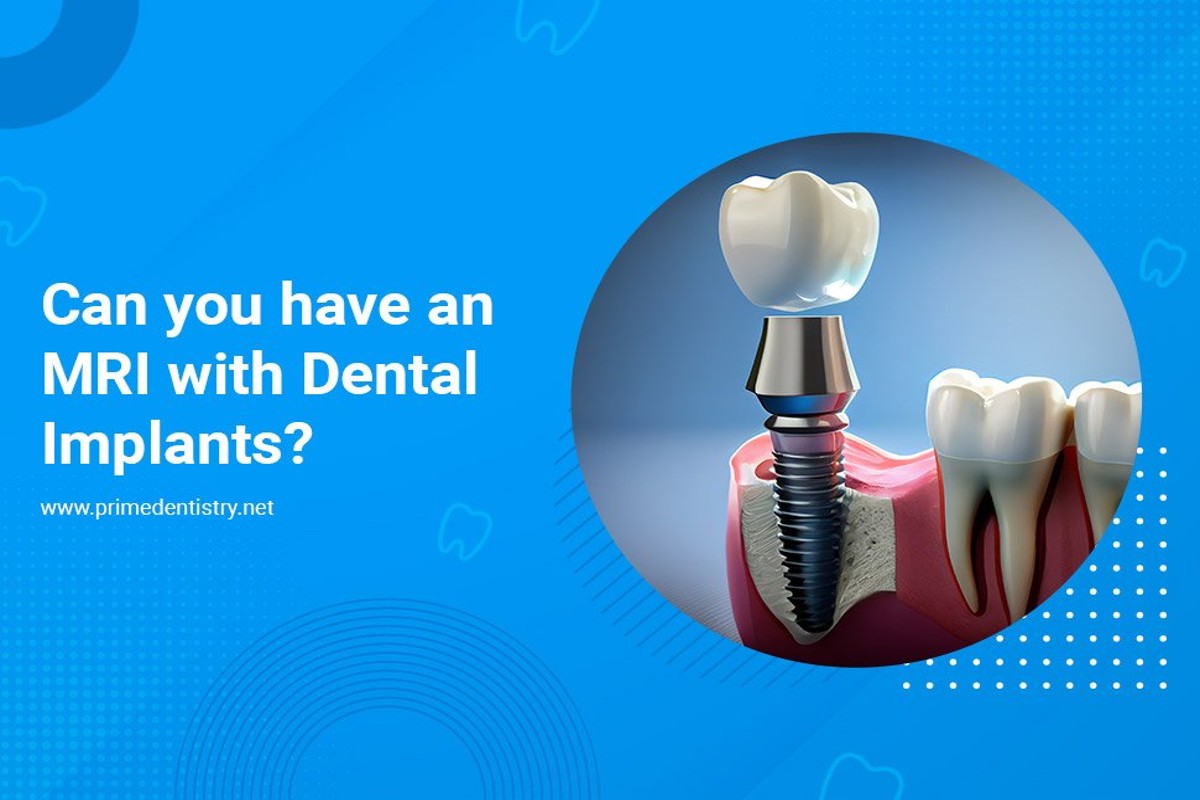
Can I have MRI with dental implants? Yes, most dental implants are MRI-safe, but there are important factors to consider before undergoing the procedure. Knowing how your specific implants interact with MRI technology is crucial for your safety and comfort.
For instance, while titanium implants are generally safe, some materials might cause complications. Always consult your dentist or doctor to ensure a smooth MRI experience.
Dental implants have become a popular solution for those looking to replace missing teeth. But if you have implants and need an MRI, you might wonder about their compatibility with this imaging technology.

Understanding Dental Implants and MRI
Dental implants are artificial tooth roots made from biocompatible materials. They serve as a sturdy foundation for replacement teeth, offering a long-lasting solution for those with missing teeth.
MRI, or Magnetic Resonance Imaging, is a non-invasive imaging technology that’s widely used to visualize internal structures of the body. It relies on strong magnetic fields and radio waves to create detailed images, making it essential for diagnosing various medical conditions.
Typically, dental implants are made from titanium or zirconia, materials chosen for their strength and biocompatibility. Titanium is particularly favored due to its ability to integrate with bone, providing a solid base for the dental crown that sits on top.
When it comes to having an MRI with dental implants, the good news is that most titanium implants are MRI-safe. They won’t interfere significantly with the imaging process. However, you should always inform your medical team about your implants to ensure they take any necessary precautions.
For example, if you’re scheduled for an MRI of your knee and have implants in your jaw, your doctor may want to adjust the imaging settings. This way, they can focus on the area of concern without the potential interference from the metal in your mouth.
If you’re ever in doubt, don’t hesitate to ask your dentist or radiologist, “Can I Have MRI With Dental Implants?” They can provide personalized advice based on your specific situation and the type of implants you have.
Always prioritize open communication with your healthcare providers. It ensures that you receive the best care while keeping your dental health in mind.
When you’re considering an MRI, you might wonder, “Can I have MRI with dental implants?” Understanding the safety of MRI scans in relation to your dental work is crucial for peace of mind.
Safety of MRIs with Dental Implants
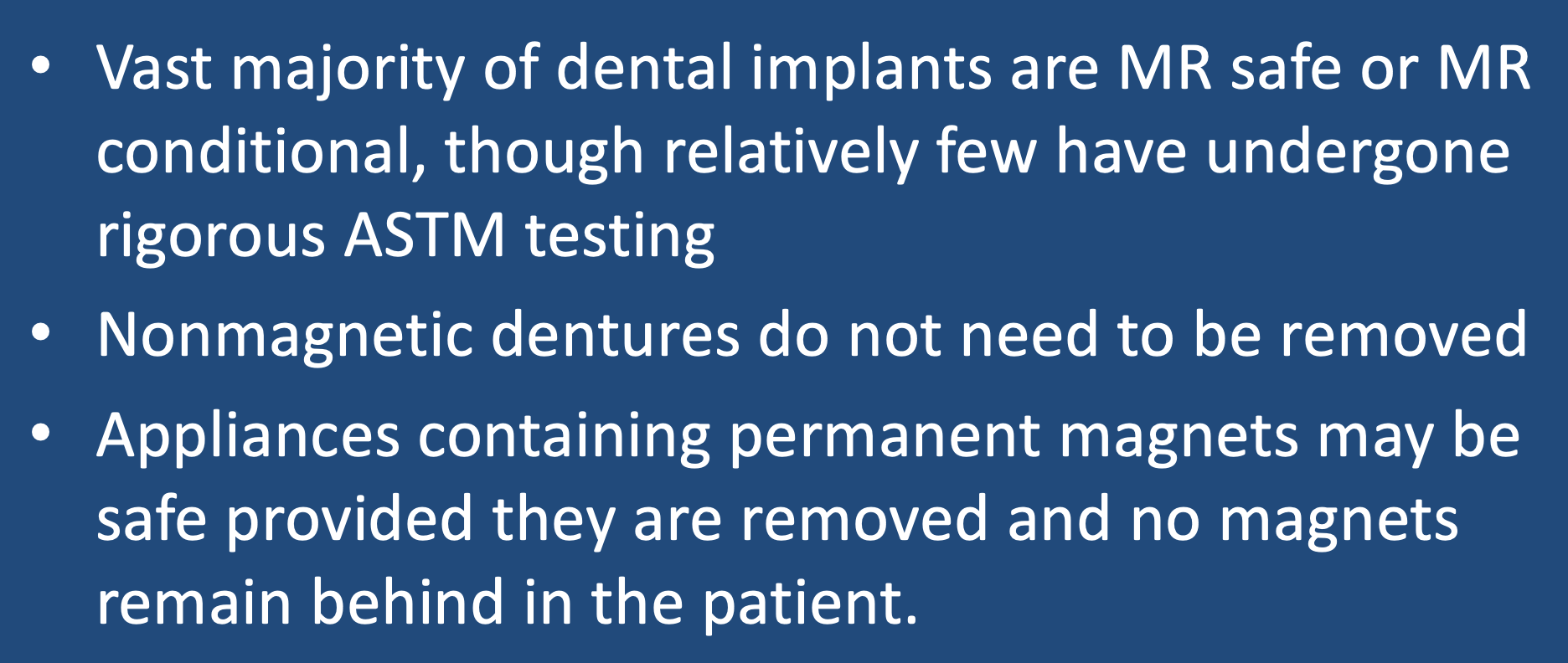
Generally, getting an MRI with dental implants is considered safe, but it really depends on the materials used in your implants. Most modern dental implants are made from non-ferromagnetic materials, which means they won’t interfere with the MRI process.
However, there are some potential risks to keep in mind. If your dental implants contain metal that is magnetic, it could lead to issues during the MRI. This might include discomfort or the risk of the implant moving slightly, which could impact your dental health.
Dental professionals usually recommend discussing your implants with the MRI technician or your dentist before the scan. They can provide guidance based on the specific materials used in your implants. Some dental implants are specifically designed to be MRI-safe, which can give you peace of mind.
Materials Matter
The primary materials used in dental implants typically include titanium and zirconia. Titanium is often preferred because it’s lightweight, strong, and generally safe for MRI procedures. On the other hand, zirconia is a ceramic material that is non-metallic and also MRI-compatible.
Older dental implants might contain ferromagnetic metals, which could pose risks during an MRI. If you’re unsure about the materials in your implants, it’s best to consult with your dentist.
Guidelines from Dental Professionals
Most dental professionals will tell you that if your implants are made from non-ferromagnetic materials, you should have no problems during your MRI. However, they might suggest taking a few precautions, like informing the MRI technician about your implants before the scan.
Always carry documentation of your dental work, as this can help clarify any concerns that arise during the MRI process. For example, if you have a dental implant made from titanium, showing this documentation can reassure the technician of its MRI compatibility.
Before your MRI, it’s a good idea to have a conversation with both your dentist and the MRI facility to ensure you’re fully informed. Being proactive can help you avoid any unexpected issues and give you peace of mind during the procedure.
When you have dental implants, you might wonder about your options for MRI scans. Understanding the types of implants you have can help answer the question: Can I have MRI with dental implants?
Types of Dental Implants and MRI Compatibility
Dental implants come in various materials, each with different levels of compatibility with MRI scans. Knowing the specifics can help you and your dentist make informed decisions about your imaging needs.
Titanium implants are the most common type used in dental procedures. They’re known for their strength and durability. The good news is that titanium is non-magnetic, which means it generally won’t interfere with MRI machines. So, if you have titanium implants, you can usually have an MRI without any concerns.
Ceramic implants are another option that’s gaining popularity. They’re made from biocompatible materials and are aesthetically pleasing. Like titanium, ceramic implants are also non-magnetic and are typically safe for MRI scans. They won’t affect the quality of the imaging or cause any complications during the procedure.
Magnetic vs Non-Magnetic Materials
One of the key factors to consider is whether the materials used in your implants are magnetic. Magnetic materials can move or heat up during an MRI, which can lead to discomfort or even injury. Fortunately, both titanium and ceramic fall into the non-magnetic category, making them safer options for those needing MRI scans.
On the other hand, if you have dental implants made from materials that are magnetic, you may face restrictions during an MRI. Always discuss with your dentist or oral surgeon to ensure you know what materials were used in your implants. For example, a patient with a magnetic implant may need to explore alternative imaging options or specific protocols to ensure safety during an MRI.
Before scheduling your MRI, check with both your dentist and the imaging center. They can provide you with the best guidance based on your specific dental implants. Doing this small step can save you a lot of hassle down the line!
Getting an MRI when you have dental implants can be a bit tricky. Before you head in for your scan, there are a few important steps you should take to ensure your safety and comfort.
Pre-MRI Considerations for Patients with Implants
Preparing for an MRI involves more than just showing up. It’s essential to communicate openly about your dental implants and any other medical conditions you might have.
First things first, always inform the MRI technician about your dental implants. They need this information to decide if any special precautions are necessary. Remember, not all implants are created equal—some may not interfere with the MRI, while others could pose risks.
Next, consulting with your dentist is a smart move. They can provide detailed information about the materials used in your implants. For example, if your dentist confirms that your implants are made of non-ferromagnetic materials, the MRI technician can proceed with the scan more confidently.
Additionally, reviewing your medical history is a crucial step. Make sure you disclose any previous surgeries or health conditions that could affect your MRI. This allows the medical team to tailor the procedure to your specific needs.
Picture this: You’re at the MRI facility, and the technician asks about your dental implants. You confidently share that your dentist has assured you they’re safe for the scan. This not only puts you at ease but also helps the technician feel more prepared.
Before your appointment, don’t hesitate to ask questions or express any concerns you may have. The more informed you are, the smoother the process will be. If you’re wondering, “Can I Have MRI With Dental Implants?”—the answer is often yes, but clarity from your healthcare providers is key.
Being proactive about your dental implants before an MRI makes a significant difference. Take the time to communicate with your dentist and the MRI team to ensure a safe and effective imaging experience.
If you have dental implants and need an MRI, you might have some questions about the process. Knowing what to expect can help ease any anxiety and make the experience smoother for you.
What to Expect During an MRI with Dental Implants
Getting an MRI with dental implants is generally safe, but there are some specifics to be aware of. The procedure itself is straightforward, but preparation and monitoring play a crucial role in ensuring everything goes smoothly.
Before your MRI, your healthcare provider will likely ask about your dental implants. It’s essential to inform them of any materials used, such as titanium or other metals, as this can influence how the MRI is conducted. Depending on your implants, your doctor may provide specific instructions on how to prepare for the scan.
During the MRI, you’ll lie down on a table that slides into the MRI machine. The machine makes loud sounds, which can be a bit startling, but you’ll be given earplugs or headphones to help with that. The technician will monitor you throughout the scan, ensuring that you’re comfortable and safe. If you’re feeling anxious or claustrophobic, don’t hesitate to let the technician know—they’re there to help.
Post-scan, you may not have to wait long for results, but it can vary based on your healthcare provider. If your implants are made from materials that are MRI-safe, you should be just fine. However, your doctor may want to discuss any findings or next steps with you, especially if the MRI was part of a larger diagnostic process.
For instance, imagine you’re getting an MRI to investigate some unexplained headaches. Knowing your dental implants are safe during the scan can give you peace of mind as you’re focused on the bigger picture—figuring out what’s causing those headaches.
Always remember to communicate openly with your healthcare team. They’ll help ensure that your MRI experience is as comfortable and safe as possible, allowing you to address any concerns about “Can I Have MRI With Dental Implants.” Your health and safety come first, so don’t hesitate to ask questions.
If you have dental implants and need imaging, you might wonder about alternatives to an MRI. While MRIs are great for certain conditions, they may not be the best option for everyone. Let’s explore some other imaging methods you can consider.
Alternatives to MRI for Patients with Dental Implants
When MRIs aren’t suitable due to the presence of metal dental implants, there are several other imaging techniques that can provide valuable information. These methods include CT scans, X-rays, and ultrasound imaging, each with its own advantages.
CT scans, or computed tomography scans, offer detailed cross-sectional images of your body. They can be particularly useful for diagnosing issues in complex areas, like the jaw or sinuses. If your dentist or doctor recommends a CT scan, you’ll get a comprehensive view of your dental implants and surrounding structures.
X-rays are another common imaging tool that can help assess your dental health. While they don’t provide as much detail as CT scans, they can still show the position of your implants and check for any potential problems like infections. For routine evaluations, X-rays are often the first step.
Ultrasound imaging is a less commonly used method but can be effective in certain scenarios. This technique uses sound waves to create images of the inside of your body. It’s particularly helpful for assessing soft tissues and can be a safe option if you need to avoid radiation.
Imagine you’re at your dentist’s office, and they recommend a CT scan instead of an MRI. You might feel a bit relieved knowing that you can still get the information needed for your treatment without the worry of MRI compatibility issues with your implants.
Always discuss your options with your healthcare provider. They can help you determine the best imaging method based on your specific needs and the type of dental implants you have. This way, you can ensure you’re getting the best care without compromising safety.